

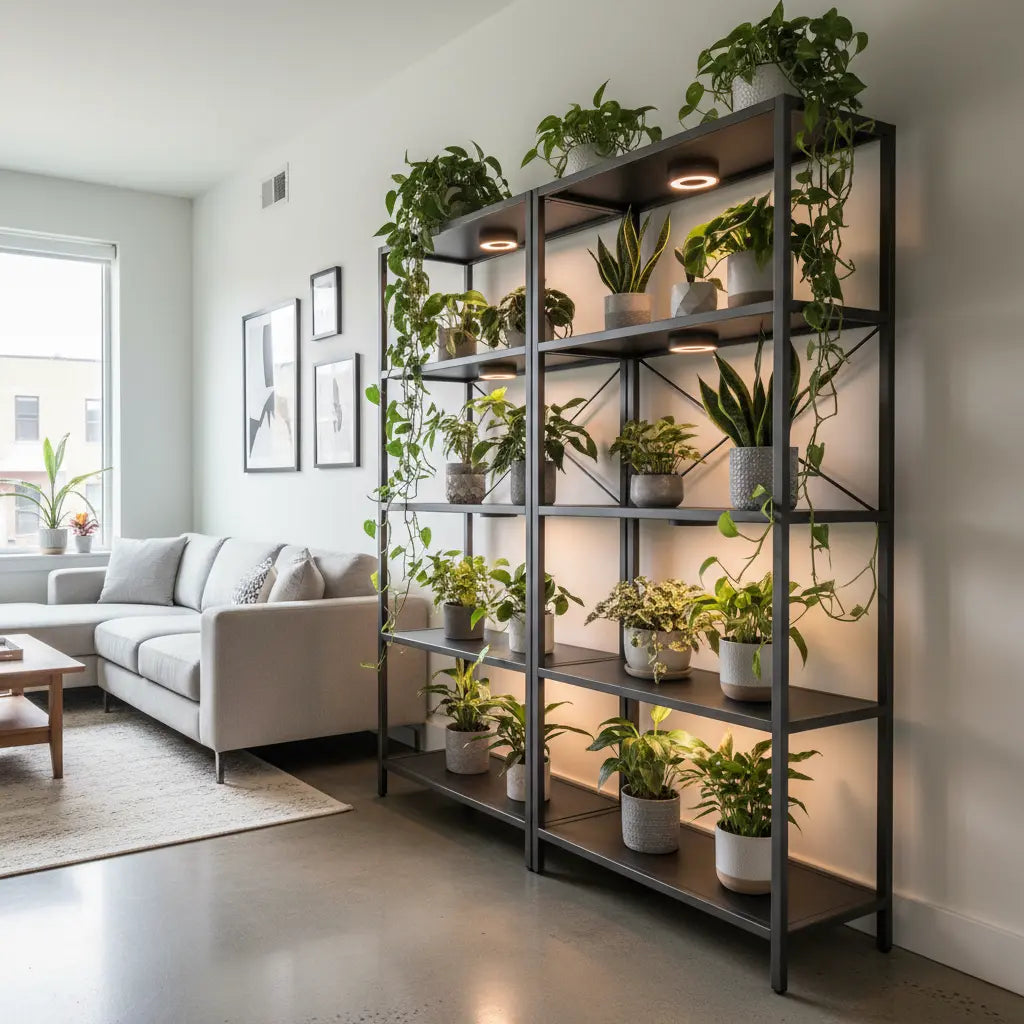
Bakers Rack for Indoor Gardening: A Plant Parent's Guide
A bakers rack can become an effective indoor garden shelf when you match the right plants to each tier, manage moisture with trays, and follow basic stability rules. For apartment dwellers with limited floor space, this vertical approach offers a modern, multifunctional way to display plants while keeping your living area organized.

Many urban plant parents struggle to find room for their growing collections. A bakers rack designed for kitchen use can double as a stylish vertical plant stand, but success depends on thoughtful setup rather than simply placing pots on every shelf. With proper planning, you can create an attractive botanical display that supports plant health without risking water damage or instability.
Why a Bakers Rack Works Well for Indoor Gardening
Bakers racks provide open, multi-tier shelving that maximizes vertical space in small apartments. Their sturdy metal or wood construction often handles the weight of potted plants better than standard bookshelves, and the open design promotes airflow around foliage. This makes them suitable for creating modern indoor garden ideas that blend storage with decor.
As highlighted in Beyond the Kitchen: 5 Creative Ways to Use a Bakers Rack, repurposing these racks for plants is one of the most popular non-kitchen applications. The tiered structure naturally supports grouping plants by height and light requirements, turning a functional piece into a living wall-like feature.
However, not every rack suits heavy or frequent watering. Check your specific model's weight limits before loading it with soil-filled pots and water trays, as this official EPA indoor air quality guidance reminds us that standing water or damp materials can contribute to mold and air-quality concerns.
Choosing the Right Bakers Rack for Plants
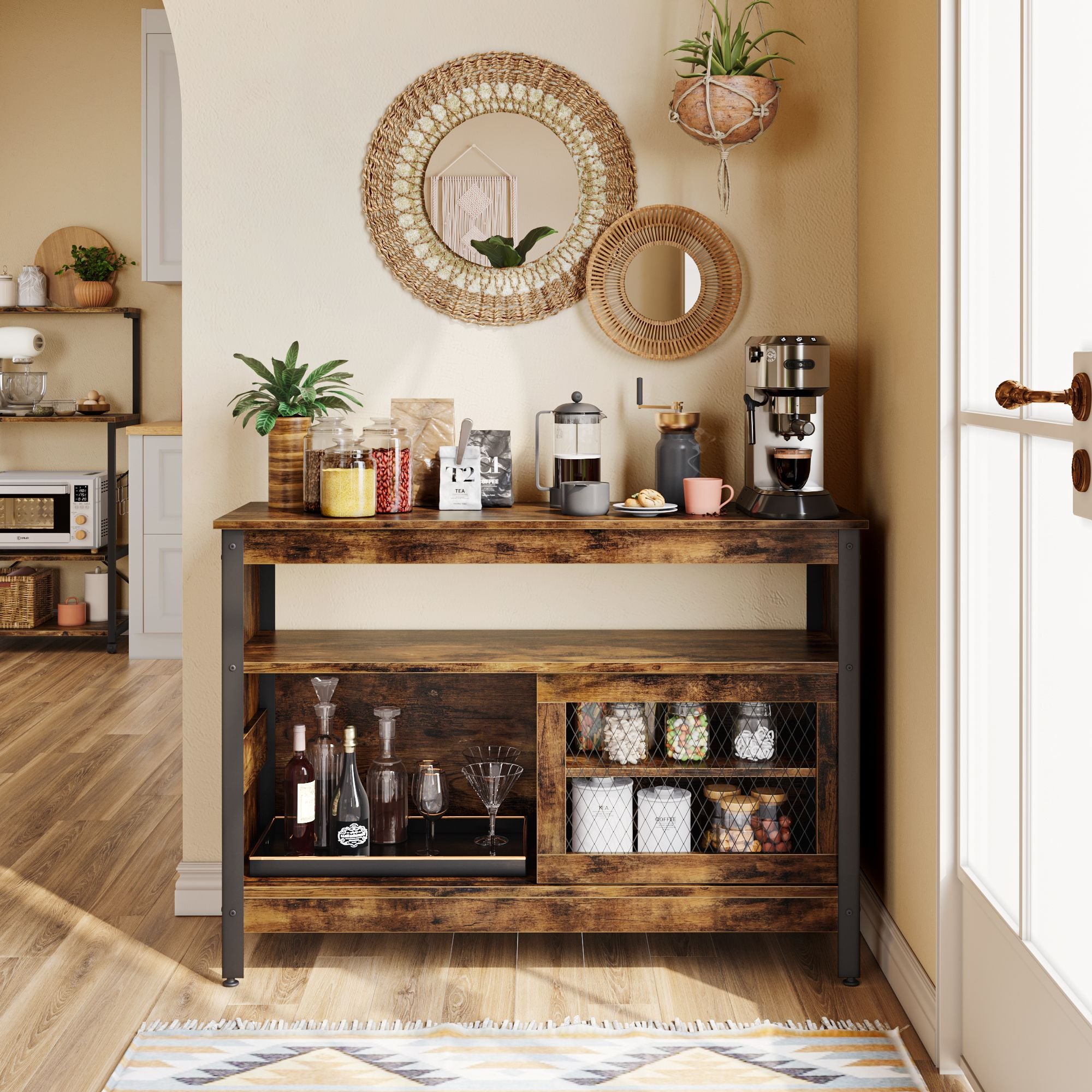
Look for racks with adjustable or widely spaced shelves to accommodate varying plant heights. Models with power outlets, like the Bestier 60 inch Bakers Rack with Power Outlet, simplify adding grow lights without messy extension cords. Narrower industrial styles may limit pot sizes, while wider ones offer more flexibility for larger specimens.
Prioritize rust-resistant finishes or powder-coated metal for moisture-prone environments. For rentals, select lightweight yet stable designs that won't damage floors. Avoid overly ornate racks with decorative elements that collect dust or complicate cleaning.
Before purchasing, measure your space carefully. A rack placed near a window provides natural light to upper tiers, while one in a dim corner will rely more on artificial lighting. Consider your floor type—tile handles moisture better than carpet or hardwood.
Safe Loading and Stability Setup
To ensure your vertical garden remains secure without sacrificing stability, follow this phased loading process:
- Leveling and Placement: Place the rack in its final position and use a level to ensure it doesn't lean. If your floor is uneven, use shims or adjustable leveling feet.
- Phased Loading: Do not load all plants at once. Start with an empty rack, then add your heaviest pots to the bottom shelf first. This lowers the center of gravity.
- Weight Distribution: As a rule of thumb, keep at least 60% of the total weight on the bottom two tiers. Use lightweight plastic or resin pots for the upper shelves to prevent the unit from becoming top-heavy.
- Stability Check: Once half-loaded, gently nudge the rack to check for wobbling. If it feels unstable, reduce the weight on top or consider a wall-anchor kit, especially in homes with pets or children.
- Electrical Safety: Route all power cords for grow lights along the frame using zip ties. Ensure all plugs and outlets are positioned above the "splash zone" and away from drainage trays.
Best Plants for a Vertical Indoor Garden Shelf
Not all plants thrive in a vertical setup. Select species that tolerate the light variations across tiers and don't require daily attention.
Low-light tolerant plants like snake plants, ZZ plants, and pothos work well on lower or middle shelves with less direct sun. Medium-light options such as peace lilies, ferns, and philodendrons suit middle tiers. Herbs or succulents that prefer brighter conditions belong on top shelves or near windows.
For small apartments, choose compact varieties and lightweight pots. Avoid heavy ceramic containers on upper levels to maintain stability. Trailing plants like string of pearls or ivy can cascade beautifully from higher shelves, adding visual interest without taking floor space.
How to Arrange Plants on Your Bakers Rack
Strategic placement prevents common problems like leggy growth or root rot. Place taller plants on lower shelves to avoid blocking light to smaller ones above. Use the top tier for plants needing the most light or those that benefit from warmer air.
Consider moisture patterns too. Bottom shelves often collect more humidity, making them suitable for plants that prefer consistent dampness when paired with proper drainage. Upper areas tend to dry out faster.

Here's a helpful visual guide showing suggested plant placement by tier:
Suggested Plant Placement by Tier on a Baker's Rack
Illustrative decision framework for arranging plants by light, height, and watering needs; not a measured rule set.
View chart data
| Category | Low-light plant fit | Medium-light plant fit | High-light plant fit | Low-water fit | Moderate-water fit | Higher-moisture fit |
|---|---|---|---|---|---|---|
| Top tier | 3.0 | 1.0 | 0.0 | 3.0 | 1.0 | 0.0 |
| Middle tier | 1.0 | 3.0 | 1.0 | 2.0 | 3.0 | 1.0 |
| Bottom tier | 0.0 | 1.0 | 3.0 | 1.0 | 2.0 | 3.0 |
This chart uses relative fit scores to illustrate how plant types generally perform on different tiers. Actual results depend on your room's specific light, humidity, and airflow.
Adding Grow Lights and Drainage Solutions
Many apartment spaces lack sufficient natural light. Full-spectrum LED grow lights can supplement daylight effectively. Mount them above or beside shelves, following the fixture manufacturer's clearance and electrical instructions carefully.
Optimizing Light Cycles
Instead of a fixed schedule, use an "Observe and Adjust" approach:
- Initial Baseline: Start with 10–12 hours of light daily.
- If plants become "leggy": (long stems with wide gaps between leaves), they are reaching for light. Increase the duration to 14 hours or move the light closer.
- If leaves look bleached or develop brown "burn" spots: The light may be too intense or on for too long. Reduce the cycle or increase the distance between the bulb and the foliage.
Drainage represents the most critical setup element. Always use pots with drainage holes and place saucers or trays beneath them. Waterproof shelf liners or mats protect the rack surface and floor from accidental spills. As noted in public health guidance on indoor environments, managing moisture proactively helps prevent mold and related air quality issues.
Preventing Rust, Water Damage, and Floor Issues
Moisture management determines long-term success. Use coasters, mats, or trays to catch drips and protect both the rack and flooring. Wipe up spills immediately rather than letting them sit.
For metal racks, choose models with protective coatings. In humid environments, improve airflow by avoiding overcrowding and occasionally using a small fan. This county public health resource on mold prevention emphasizes that houseplants can increase indoor moisture, making ventilation important in dense displays.
Common Issues Quick Troubleshooting
If your indoor garden isn't thriving, use this checklist to identify the cause:
| Symptom | Potential Cause | Recommended Action |
|---|---|---|
| Yellowing or dropping lower leaves | Overwatering or poor drainage | Check for standing water in trays; allow soil to dry more between waterings. |
| Stretching/Leggy growth | Insufficient light | Increase grow light duration or move the rack closer to a window. |
| Musty smell or algae in trays | Standing water / Poor airflow | Clean trays with mild soap; increase spacing between pots for better air circulation. |
| Brown, crispy leaf edges | Low humidity or underwatering | Group plants closer together to create a microclimate or use a pebble tray. |
| White fuzzy spots on soil | Poor ventilation / High moisture | Reduce watering frequency and ensure the rack isn't pushed flush against a wall. |
Maintenance Checklist for Your Plant Bakers Rack
Successful indoor gardening requires ongoing care:
- Inspect for pests weekly and wipe leaves to remove dust.
- Rotate plants 90 degrees every two weeks for balanced light exposure.
- Check soil moisture with a finger test before watering rather than following a rigid schedule.
- Prune as needed to control size and encourage bushiness.
- Clean trays and liners regularly to prevent algae or odor.
- Monitor for signs of overwatering like yellowing leaves or mold.
When a Bakers Rack May Not Be the Best Choice
While versatile, bakers racks aren't ideal for every situation. Heavy ceramic pots combined with frequent watering can strain lighter models. If your collection includes many high-maintenance or large plants, dedicated plant stands or a greenhouse shelf might prove more practical.
Renters concerned about potential water damage to floors should consider alternatives with better containment or opt for low-water succulents exclusively. Those seeking completely hands-off setups may find traditional floor plants simpler.
Health and Safety Note
This article discusses comfort, setup advice, and practical indoor gardening approaches using household furniture. It does not constitute medical advice, diagnosis, or treatment for any condition. Plant care and indoor air quality can vary widely based on individual circumstances. If you experience persistent discomfort, respiratory issues, allergies, or have existing health conditions, consult qualified professionals. Always prioritize safety by following manufacturer guidelines for furniture weight limits and electrical devices.
Transforming a bakers rack into an indoor garden offers an accessible entry into vertical gardening for space-conscious plant enthusiasts. By selecting appropriate plants, implementing proper drainage, managing light needs, and maintaining organization, you can enjoy a thriving botanical display that enhances both your home and your plant parenting experience.
For more inspiration on versatile furniture use, explore our Kitchen Bakers Rack Organization Guide or browse the full Bestier Baker's Racks collection.
