

Summary
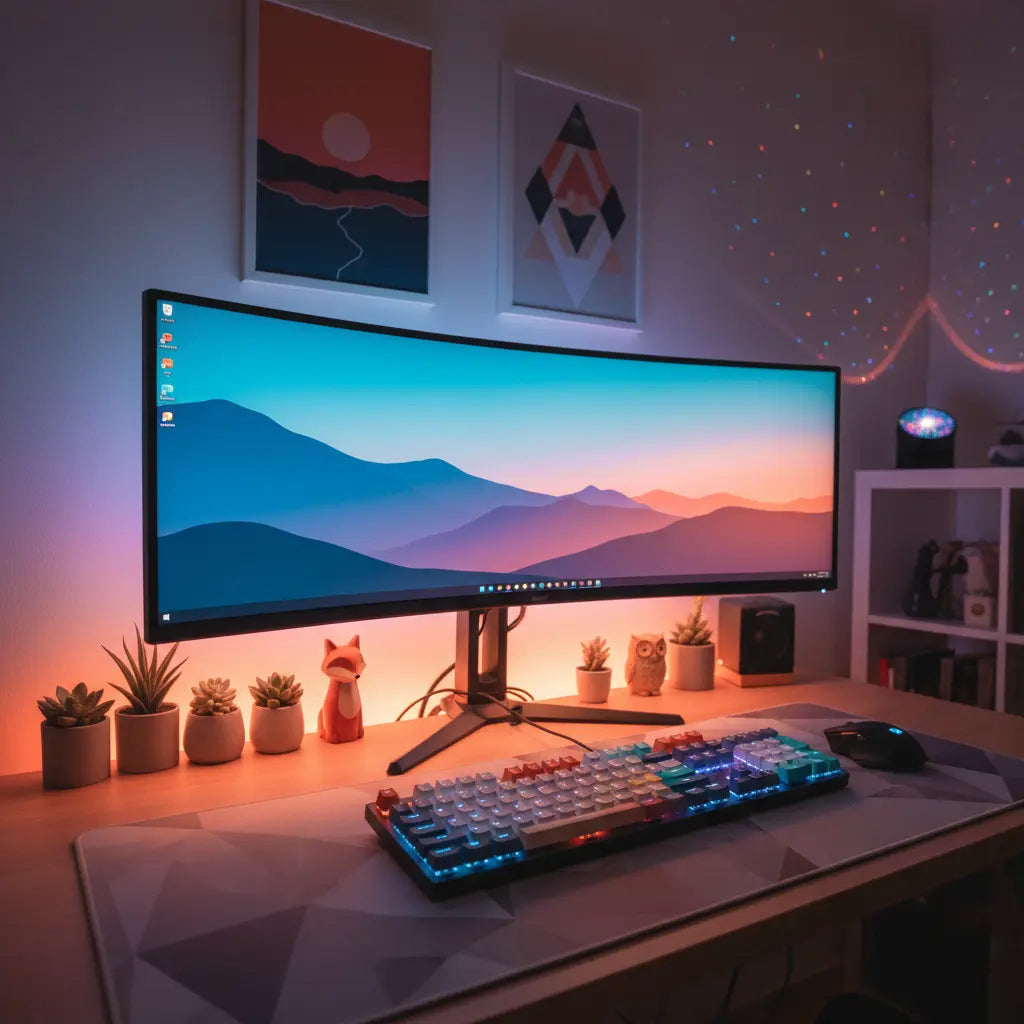
A dopamine desk setup is a personalized workspace designed to trigger positive neurochemical responses through intentional color, lighting, and aesthetic choices, ultimately enhancing focus and emotional well-being. By integrating functional elements like RGB lighting and advanced cable management with sentimental or vibrant decor, users can create a "sensory sanctuary" that reduces the friction of starting difficult tasks and sustains cognitive endurance throughout the workday.
Key takeaways
- Intentional Color Theory: Use specific RGB hues—such as cool blues for alertness and warm oranges for creativity—to align your environment with your current task requirements.
- Foundation First: A high-quality desk with integrated features provides the necessary structure for a clean, distraction-free aesthetic that supports high-level focus.
- Cable Management is Non-Negotiable: Reducing visual "noise" through hidden routing is essential for maintaining the psychological benefits of a dopamine-rich environment.
- Ergonomic Balance: Aesthetic choices should never compromise physical health; integrate monitor stands and adjustable components to ensure long-term productivity.
- Dynamic Customization: Treat your setup as a living space that evolves, using modular decor and programmable lighting to prevent sensory habituation.
The Psychology of the Dopamine Desk: Beyond Aesthetics
The concept of "dopamine decor" has transitioned from a social media trend into a recognized strategy for environmental psychology in the workplace. At its core, a dopamine desk setup leverages the brain's reward system by surrounding the user with "micro-joys"—visual stimuli that spark brief, positive emotional hits. In 2026, research into neuro-aesthetics suggests that a workspace reflecting personal identity can lower cortisol levels and improve executive function.
However, the goal is not maximal stimulation, which can lead to cognitive overload. Instead, effective dopamine setups focus on "curated vibrance." This involves selecting a primary color palette that resonates with your personality while maintaining enough neutral space to prevent the eyes from becoming fatigued. For instance, while bright neon accents might provide an initial energy boost, a base of natural wood or matte finishes helps ground the space, making it sustainable for eight-hour deep-work sessions.
Logic Summary: This approach assumes that environmental cues directly influence mood and cognitive performance. While dopamine is often associated with "pleasure," in a workspace context, it is used to facilitate "approach motivation"—the drive to engage with a task. This strategy may be less effective for individuals with high sensory sensitivity who require extreme minimalism.
Choosing Your Foundation: The Core of Aesthetic Productivity
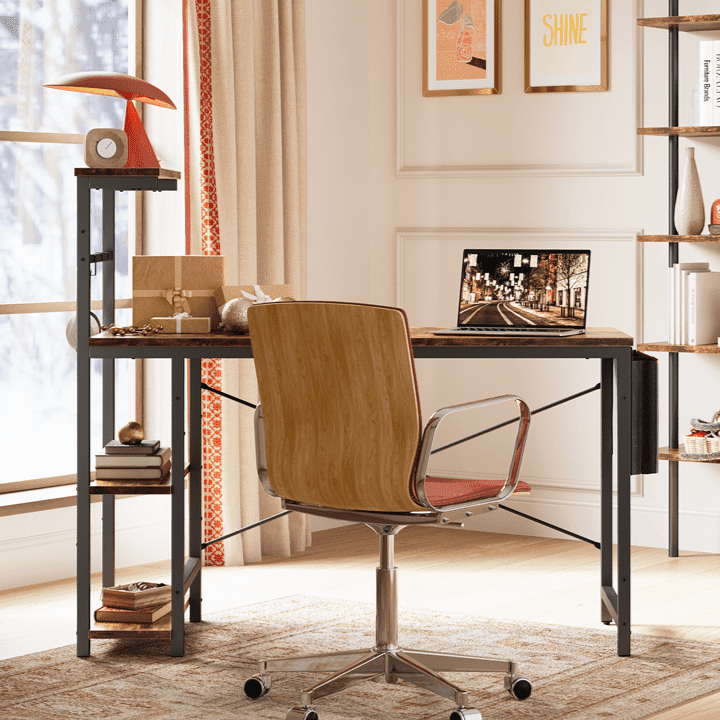
Before adding lights and trinkets, the physical desk serves as the canvas for your setup. A common mistake is choosing a desk based solely on size without considering how its features will support an aesthetic-heavy configuration. When you how to choose the perfect desk for your home office, you must prioritize surface area and integrated utility.
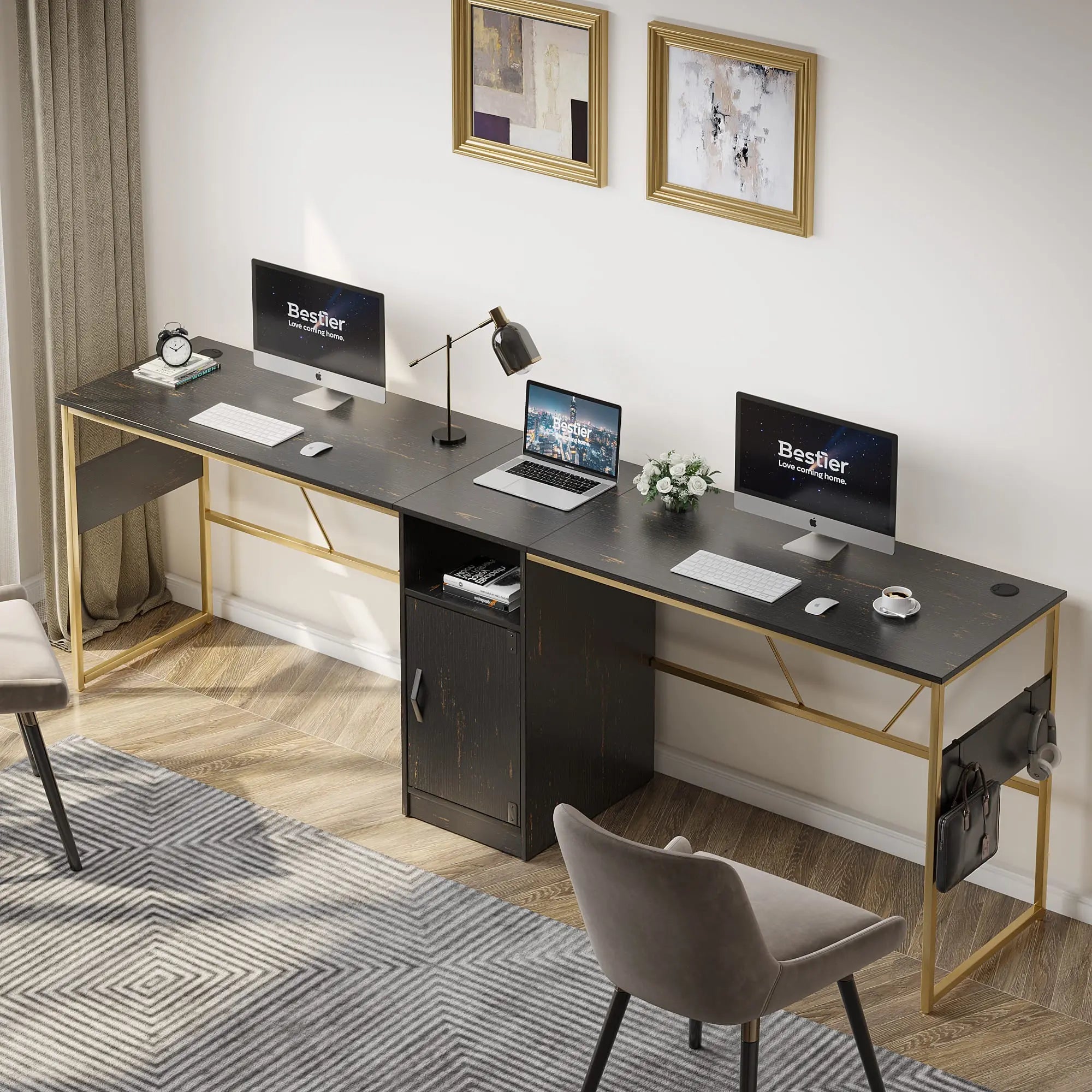
For those pursuing the "Setup Culture" aesthetic, an L-shaped configuration often provides the best balance. It allows for a dedicated "deep work" zone on one side and a "creative/hobby" zone on the other. This physical separation helps the brain transition between different modes of thinking. Many modern options, such as the Bestier 63-inch LED gaming desk with monitor stand, come with built-in features that simplify the building process.
| Feature | Impact on Dopamine Setup | Recommended Specification |
|---|---|---|
| Integrated LED Strips | Provides immediate mood lighting without extra wires. | Multi-mode RGB with remote or app control. |
| Monitor Stand | Improves ergonomics and creates space for decor underneath. | Built-in or clamp-on with at least 5-inch lift. |
| Power Outlets | Reduces cable clutter on the floor. | Top-mounted or under-desk recessed strips. |
| Surface Finish | Affects light reflection and tactile comfort. | Carbon fiber or high-quality wood grain. |
Mastering RGB Lighting for Sustained Focus
Lighting is the most powerful tool in the dopamine desk arsenal. It isn't just about "gaming" aesthetics; it's about circadian rhythm and cognitive priming. In 2026, smart lighting systems allow users to boost your focus with LED lighting solutions by syncing colors to their digital calendars or focus timers.
The Science of Color and Focus:
- Cool Blue (450-495nm): Ideal for tasks requiring high attention to detail. Blue light suppresses melatonin, keeping you alert.
- Warm Amber/Orange (590-620nm): Best for late-afternoon work or creative brainstorming. It mimics the sunset, reducing eye strain and preparing the body for a natural wind-down.
- Green (495-570nm): Often associated with "biophilic" responses, green lighting can promote a sense of calm and stability during high-stress deadlines.
To achieve a professional look, avoid direct exposure to LED beads. Use "diffused" lighting by placing strips behind the desk edge or inside shelving units. This creates a "glow" effect that fills the peripheral vision without causing glare on your monitors. If you're looking to start from scratch, you can explore our collection of LED gaming desks which are designed with these diffusion principles in mind.
The "Clean" Dopamine Look: Cable Management Strategies
Nothing kills a dopamine hit faster than a "spaghetti" of tangled black wires. A truly aesthetic setup requires invisible infrastructure. High-intensity RGB setups often involve more cables than traditional offices—power for the PC, monitors, peripherals, and the lighting itself.

Implementing pro cable management techniques for a clean workspace is the bridge between a "messy" desk and a "dopamine" desk. Start by using under-desk cable trays to house power bricks. For cables that must remain visible (like keyboard or mouse wires), consider "coiled" cables or color-coordinated sleeves that match your desk's primary accent color.
Logic Summary: Visual clutter is a form of "passive distraction" that occupies the brain's processing power. By removing the visual evidence of technology (the wires), the brain can focus more fully on the creative or productive output. This is a heuristic known as "Visual Friction Reduction."
Balancing Aesthetics with Ergonomics: A Critical Integration
A common pitfall in the dopamine desk community is the "Aesthetic Trap"—prioritizing how a desk looks over how it feels to sit at for hours. A beautiful setup that causes back pain will eventually become a source of negative reinforcement, the opposite of its intended purpose.
When building your setup, follow the "90-90-90" rule: your elbows, hips, and knees should all be at approximately 90-degree angles. Use your dopamine-triggering items to support these positions. For example, a colorful mechanical keyboard should be at a height that keeps your wrists neutral. A monitor stand not only provides a place for your favorite figurines but also ensures your eyes are level with the top third of the screen, preventing neck strain.
For a comprehensive checklist on how to align these two worlds, refer to our ultimate guide to home office desk setup. It covers the technical dimensions required for a healthy workspace that still looks "Instagram-ready."
Personalization: Curating Your Sensory Workspace
The final layer of a dopamine desk is personalization. This is where you move beyond the "standard" RGB setup and into something uniquely yours.
- Tactile Elements: Incorporate textures that feel good. A high-quality desk mat, a fidget toy, or even a small potted succulent can provide a sensory break during long meetings.
- Auditory Cues: While not strictly part of the desk, the "thock" of a mechanical keyboard or the hum of a small desktop fountain can contribute to the focus-inducing atmosphere.
- Visual Anchors: Place 1-3 "hero" items in your direct line of sight. These should be items that represent a personal achievement or a source of inspiration.
Remember that the "dopamine" effect can wear off as you become used to your surroundings (habituation). To combat this, rotate your decor every few months. Change your RGB profiles to match the seasons or your current project's "vibe." This keeps the environment fresh and continues to trigger those positive neurochemical responses.
FAQ
What exactly is a dopamine desk setup? A dopamine desk setup is a workspace designed specifically to boost the user's mood and motivation through "dopamine decor"—vibrant colors, personalized items, and mood-enhancing lighting. Unlike traditional minimalist offices, it embraces personality and sensory stimulation to make the act of sitting down to work more enjoyable.
Does a dopamine desk actually improve focus? While individual results vary, environmental psychology suggests that a workspace that reduces stress and increases positive affect can lead to better cognitive endurance. By using specific colors like blue for alertness and reducing visual clutter through cable management, you create an environment that supports deep work and reduces the "activation energy" needed to start tasks.
How do I choose the right RGB colors for productivity? Focus on the task at hand: use cool whites or light blues for detail-oriented work and data analysis, as these colors are linked to increased alertness. Use warmer tones like amber or soft yellow for creative writing or brainstorming to foster a relaxed yet focused state. Avoid rapidly flashing or "rainbow" modes during work hours, as these can be highly distracting.
Is a dopamine desk setup expensive to build? It doesn't have to be. While high-end desks with integrated LEDs are a great foundation, you can start by adding a single LED strip behind your current desk and introducing a few personal items. The key is intentionality—choosing items that specifically make you feel motivated—rather than buying every trendy gadget.
How do I keep a colorful desk from looking messy? The secret is "contained chaos." Use trays, monitor stands, and shelving to give every item a specific home. Most importantly, invest time in cable management. If the wires are hidden, even a desk with many colorful items will look intentional and "aesthetic" rather than cluttered.
Can I have a dopamine desk if I prefer minimalism? Yes. "Minimalist Dopamine" is a valid sub-style. It focuses on high-quality materials (like natural wood), a very limited but bold color palette (e.g., all white with one neon accent), and a few high-impact pieces of art. The goal is still to trigger a positive response, just with fewer visual inputs.
References
Industry Associations & Research Institutes
- Environmental Psychology Research: Studies on the impact of workspace personalization on employee well-being and productivity (e.g., Journal of Environmental Psychology).
- Lighting Research Center (LRC): Technical guidelines on the effects of blue light and RGB color temperatures on human circadian rhythms and alertness.
Platform Official Docs & Policies
- Bestier Design Lab: Internal standards for integrated RGB lighting safety and ergonomic desk dimensions (2026 Edition).
- Ergonomics Health Association: Recommended "90-90-90" posture guidelines for long-term computer use.
Community & Intent Discovery
- Setup Culture (Reddit/Instagram/TikTok): Trends and user-reported pain points regarding RGB synchronization and cable management (Intent only; not authoritative).
- Mechanical Keyboard Communities: Data on tactile feedback and its role in sensory-focused workspaces.
