
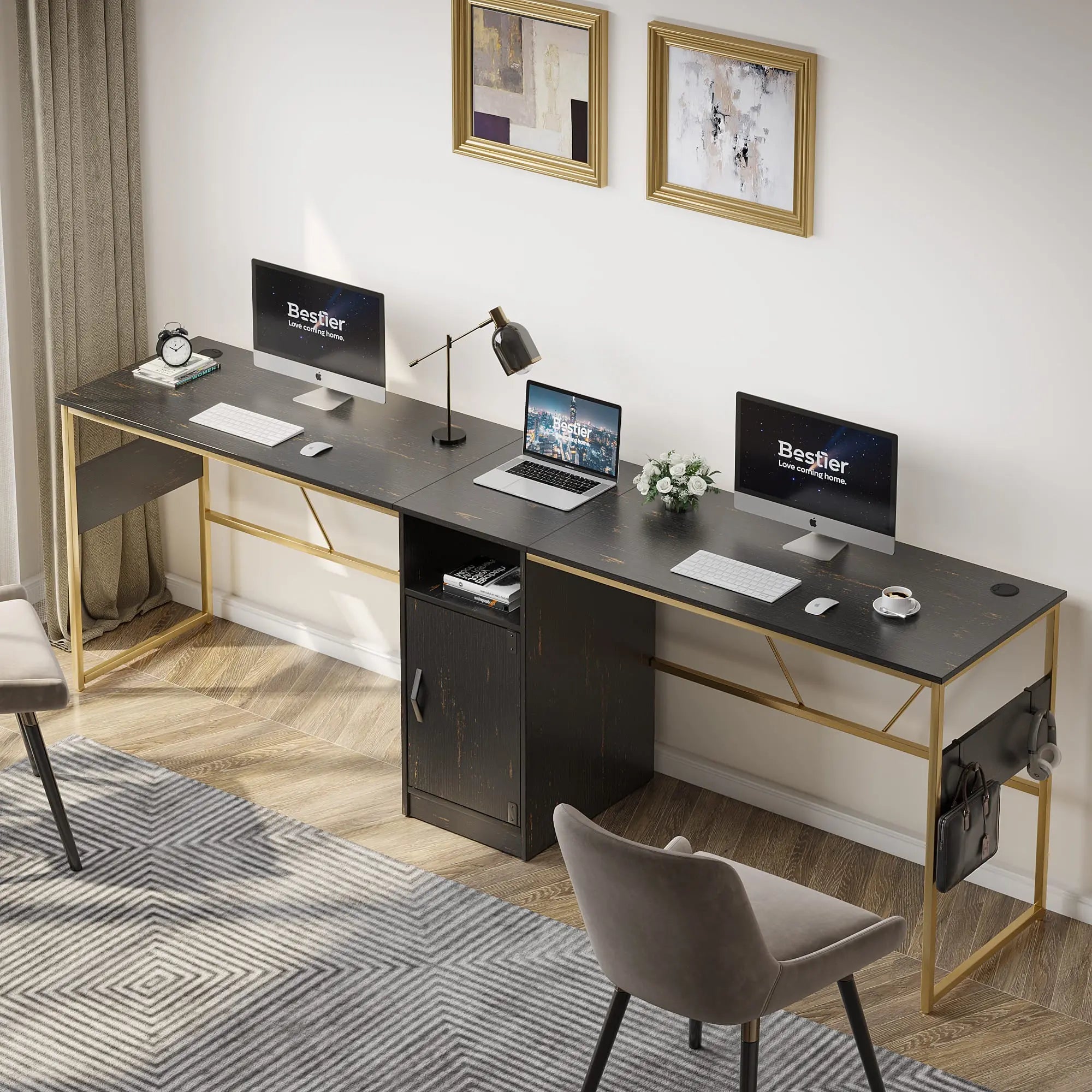
Why Warm Modern and Japandi Aesthetics Are Gaining Popularity
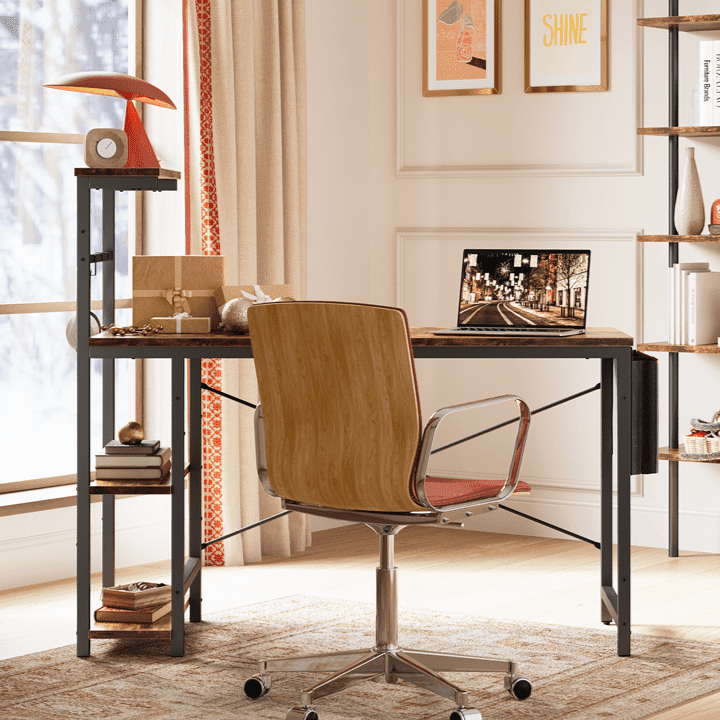
Warm modern desk setups draw heavily from Japandi principles—a design philosophy that fuses Japanese minimalism with Scandinavian functionality. This direction emphasizes natural wood textures, neutral palettes, and soft lighting to foster a productive yet peaceful environment. Unlike high-contrast industrial styles or "dopamine-desk" trends heavy on vibrant colors, this approach aims to reduce visual overstimulation.
A common observation among remote professionals is that a softer visual field helps sustain focus during long work sessions. While individual preferences vary, the goal is to create a "low-friction" environment. As this official workstation environment guide explains, arranging your space to minimize glare from lights and windows is a foundational step for viewing comfort.

Choosing the Right Wood Tones for Your Desk
Natural wood finishes serve as the visual anchor of a warm modern workspace. The choice of species significantly impacts the "temperature" of the room:
- Walnut: Offers rich, deep tones that pair exceptionally well with dim, warm lighting. It creates a "den-like" focus.
- Oak or Beech: Provides an airy, light-filled aesthetic suitable for smaller rooms or apartments with limited windows.
- Engineered Wood: For those on a budget, look for options with low-formaldehyde certifications (such as CARB Phase 2 or TSCA Title VI) to ensure indoor air quality while achieving the desired grain appearance.
When selecting a desk, a practical rule of thumb is to prioritize matte or low-sheen finishes. Glossy surfaces often act like mirrors, amplifying overhead light glare and causing eye fatigue. If you are working in a space with limited natural light, pairing medium wood tones with lighter wall colors can prevent the setup from feeling "heavy" or closed in. This home office ergonomics resource recommends balancing these material choices with proper monitor placement to maintain comfort.
Smart Lighting: Calibrating for Warmth and Focus
The right lighting transforms a wooden desk from a simple piece of furniture into an inviting workstation. For a Japandi aesthetic, focus on the 2700K to 3000K range. This delivers a soft, incandescent-like glow that complements the organic yellow and red undertones in wood.
How to Calibrate Your Lighting
A frequent challenge is finding the balance between "cozy" and "functional." You can use this simple heuristic to check your setup:
- Too Warm (<2200K): If white paper on your desk looks distinctly orange or yellow, it may cause eye strain during reading tasks.
- Too Cool (>4000K): If your walnut desk looks grey or "dead," the light is likely too blue, stripping away the natural warmth of the wood.
- The Sweet Spot: Aim for "Tunable White" bulbs. These allow you to shift to 4000K during high-focus morning hours and transition to 2700K as the sun sets.
Layering is essential. Avoid relying solely on a single overhead light. Instead, combine ambient diffused light with a dedicated task lamp. This tunable white lighting overview highlights how such systems support varied needs throughout the day.
Warm Modern Desk Lighting: Kelvin Range Trade-offs
Relative, non-clinical illustration of how warmer vs neutral desk lighting is typically framed for home office comfort and focus.
View chart data
| Category | Perceived Coziness | Perceived Brightness for Focus |
|---|---|---|
| Cozy Evening | 5.0 | 2.0 |
| Balanced Workday | 3.0 | 4.0 |
| Bright Task | 1.0 | 5.0 |
Illustrative, bounded mapping based on writer evidence: 2700–3000K is used for warmer/cozier lighting; tunable white and dim-to-warm indicate adjustable ranges; lower Kelvin reads warmer and higher Kelvin reads cooler. OSHA glare-reduction guidance is reflected only as a comfort constraint, not a health claim.

Japandi Desk Setup Ideas: Balancing Style and Function
Achieving this look requires intentional "editing"—the art of removing what isn't necessary.
- Neutral Accessories: Complement wood tones with accessories in beige, charcoal, or soft black. Materials like felt desk mats or cork coasters add texture without adding "noise."
- Cable Management: This is the most critical step for a minimalist aesthetic. Use under-desk trays or magnetic cable channels to hide wires. Visual clutter is often the primary reason a "warm" setup feels chaotic rather than calm.
- Monitor Placement: Position your screen perpendicular to windows to reduce glare, as recommended in ergonomic guides like this workplace ergonomics reference.
- Organic Elements: Incorporate one or two plants in ceramic pots. The green foliage provides a natural contrast to the wood grain.
Common Mistakes to Avoid
- Clashing Temperatures: Using "Cool White" (5000K+) smart bulbs with warm walnut wood often creates a clinical, mismatched look.
- Ignoring Ergonomics for Aesthetics: A beautiful wood desk is useless if it’s at the wrong height. This workstation ergonomics self-assessment reminds us that while materials shape appearance, health depends on proper alignment and support.
- Over-decorating: The "Japandi" style relies on negative space. If every inch of the wood surface is covered in tech or trinkets, the "warm modern" effect is lost.
Planning Your Setup: A Practical Checklist
Before purchasing new components, use this checklist to ensure a cohesive result:
- Material Check: Is the wood finish matte? Does it match or intentionally contrast with your flooring?
- Lighting Control: Are your smart bulbs compatible with a single ecosystem (e.g., HomeKit, Alexa) for easy "scene" transitions?
- Glare Test: Sit at your desk during the brightest part of the day. Do you see reflections on your monitor? If so, consider a monitor light bar with an asymmetrical optical design.
- Emission Standards: If buying engineered wood, have you verified CARB or TSCA compliance?
- Tactile Comfort: Since wood is a hard surface, consider a wool or felt desk mat to add softness for your wrists and dampen keyboard acoustics.
When This Style May Not Be the Best Fit
While warm modern setups are excellent for creative and administrative work, they aren't universal. High-precision technical work, such as professional color grading or intricate electronics repair, often requires high-CRI (Color Rendering Index) lighting at cooler temperatures (5000K) to ensure color accuracy. Additionally, very small, windowless rooms may feel smaller with dark walnut finishes; in those cases, light oak or birch is usually a safer choice.
Important Note on Comfort and Ergonomics: This article provides aesthetic and design-focused guidance. It does not constitute medical advice or treatment for eye strain or postural issues. While warm lighting and natural materials are often perceived as more comfortable, individual results depend on room conditions and personal health factors. Always prioritize proper ergonomic alignment—such as chair support and monitor height—and consult a professional if you experience persistent physical discomfort.
By thoughtfully pairing wood tones with calibrated smart lighting, you can create a workspace that feels both intentionally calm and professionally refined.
