
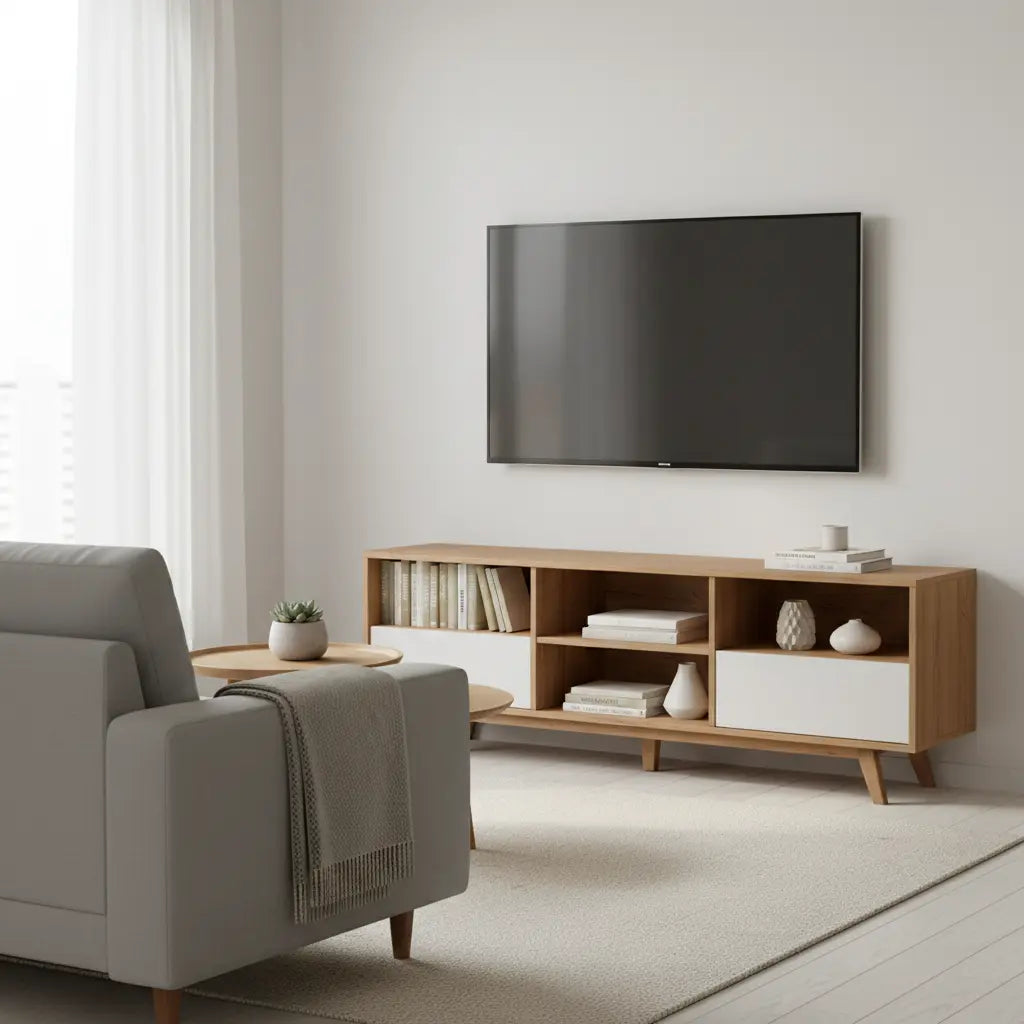
In small apartments, a multi-functional TV stand can reduce clutter and make a room feel less crowded by combining media support, storage, and display space in one compact piece.

Choosing the right TV stand goes beyond matching your television size. For compact living rooms, the stand must handle gaming consoles, decor, cables, and everyday items without dominating the floor plan or creating visual chaos. This guide breaks down how to select and style a media console that truly maximizes storage while keeping your space functional and inviting.
Why Multi-Functional TV Stands Solve Small-Space Problems
Small living rooms often serve multiple roles—seating area, home office corner, or gaming hub. Traditional TV stands that only hold a screen leave you needing extra furniture for storage, which quickly eats up precious square footage. Multi-functional designs address this by integrating shelves, cabinets, drawers, and cable channels into one footprint.
As this small space storage guide notes, multifunctional furniture helps minimize clutter in apartments where every inch counts. The best pieces turn the TV wall into an organized focal point rather than a source of mess.
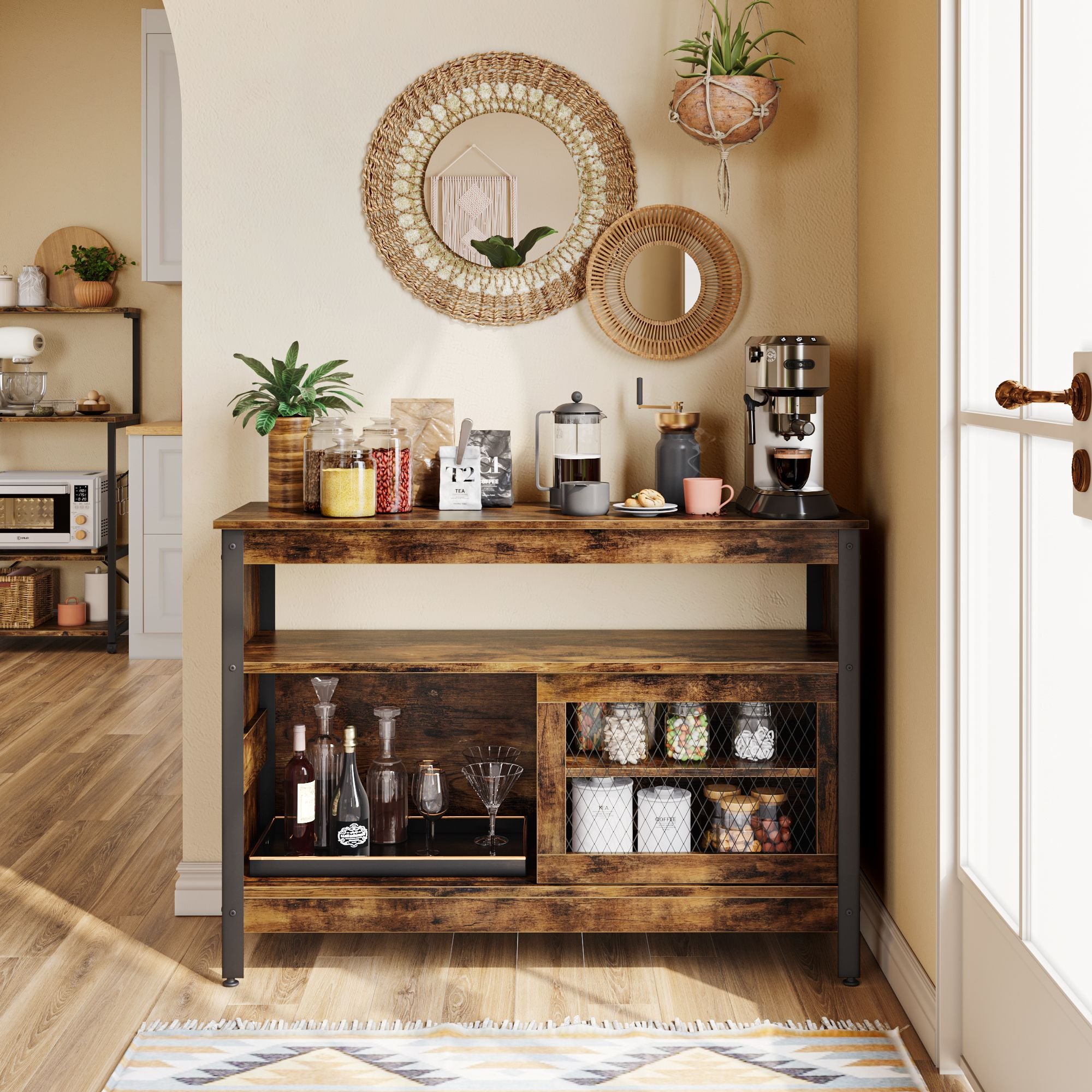
These stands typically offer a mix of open and closed storage. Open shelves display books, plants, or artwork, while cabinets conceal gaming equipment, remotes, and cords. Many include built-in cable management holes that keep wires hidden and reduce dust buildup around electronics.
Understanding Storage Types: Open vs Closed vs Hybrid
The storage configuration you choose dramatically affects daily usability in a small room. Open shelving provides instant access but can make the space feel busier. Closed cabinets hide items for a cleaner look but require opening doors to retrieve things.
According to storage design discussions, closed storage hides clutter while open shelving keeps items accessible and easier to display. Hybrid designs, featuring both, often work best for most apartment dwellers.
Consider your habits. Gamers benefit from open bays for quick console access but appreciate enclosed sections for less-used accessories. Minimalist decorators may prefer mostly closed storage to maintain a serene aesthetic.

Room Fit and Dimension Guidelines for Apartments
Proportion matters more than maximum TV size rating when shopping for small spaces. A stand that is too wide or deep can block pathways or make the room feel smaller.
For compact rooms, the stand should fit the room proportions as carefully as it fits the TV. Measure your available wall space, leaving at least 18-24 inches on either side for comfortable viewing and traffic flow. Depth should stay under 18 inches in most apartments to preserve walking space.
Look for stands rated for your TV size but prioritize models under 60 inches wide for typical small living rooms. Height around 20-24 inches keeps the screen at eye level when seated on a standard sofa. Weight capacity is equally critical—ensure the unit supports your TV plus stored items without risking instability.
Key Features That Maximize Organization
Effective multi-functional TV stands include several practical details that prevent common frustrations.
Cable management channels and rear cutouts keep cords organized and out of sight, reducing both visual clutter and safety hazards. Adjustable shelves let you customize compartments for different device heights, while drawers provide dust-free storage for controllers and small accessories.
Some models incorporate LED lighting strips that double as mood lighting and help define the entertainment area. Ventilation openings are essential to prevent overheating of gaming consoles and streaming devices.
When evaluating options, check for sturdy construction. Engineered wood with proper reinforcement handles the combined weight of electronics and decor better than flimsy particleboard. Look for anti-tip hardware if you have children or live in earthquake-prone areas.
How to Choose the Right TV Stand for Your Lifestyle
Start by auditing your storage needs. List everything currently scattered around your TV area—consoles, games, soundbars, books, plants, and charging cables. This inventory reveals whether you need more open display space or hidden compartments.
Next, evaluate your room's traffic patterns. In narrow apartments, choose a stand with a smaller footprint and rounded corners to improve flow. Open-concept spaces benefit from stands that help visually anchor the seating area without blocking sightlines.
Consider these checkpoints before purchasing:
- Does the height position your TV screen at eye level from your main seating?
- Will the total width fit your wall while leaving adequate side clearance?
- Do you need more open shelves for display or closed cabinets for concealment?
- Are there sufficient cable ports and ventilation for your devices?
- Does the style complement your existing furniture and decor theme?
A well-chosen TV stand can function as both a media base and a display surface for decor, helping the TV area act like an anchored focal point in the room. This TV stand buying advice highlights how thoughtful selection enhances overall room balance.
Styling Tips to Make Your TV Stand a Design Asset
Treat your media console as a styling opportunity rather than just functional furniture. Layer heights with books, plants, and decorative objects on open shelves to create visual interest without clutter.
Use baskets or bins within open compartments to contain smaller items while maintaining a tidy appearance. Coordinate colors—neutral tones make the piece recede visually in small rooms, while a bold accent color can make it a statement feature.
Incorporate vertical elements like tall vases or artwork above the stand to draw the eye upward and maximize perceived ceiling height. Keep the top surface relatively clear, using only a few curated items to avoid a crowded look.
Common Mistakes to Avoid
Many buyers focus solely on aesthetics and later regret insufficient storage. Others choose the largest possible stand, only to discover it overwhelms their space.
Avoid stands without cable management if you have multiple devices. Overlooking weight ratings can lead to sagging shelves or safety issues. Purchasing without measuring often results in returns and wasted time.
Don't ignore ventilation needs for modern electronics. Blocked airflow can shorten device lifespan and create fire hazards. Finally, consider future needs—choose a stand with some extra capacity rather than one that's perfectly full on day one.
Do not choose open storage just because it looks less bulky. In a small living room, open shelves become a poor fit when the stand has to hold mixed objects, when cords are visible, or when the room already carries multiple functions and needs a calmer look.
Scenario-Based Decision Guide
The right TV stand choice often depends on how you use your living room.
Daily access and display-focused rooms: Open shelving tends to win when you frequently grab remotes, controllers, or streaming devices. This works well if your room can handle some visual texture and you keep items neatly arranged.
Multi-purpose or clutter-sensitive spaces: Closed or hybrid storage becomes preferable when the living room also serves as a workspace or guest area. These designs help maintain a tidy appearance with minimal daily effort.
Use closed or hybrid storage when two or more of these conditions apply: you store mixed items beyond electronics, cables are difficult to hide, the room has additional functions, or you prefer low-maintenance cleanliness.
Hybrid layouts offer the best of both worlds for most apartment dwellers, providing quick-access open sections alongside concealed storage for less attractive items.
This small space TV stand overview reinforces that room proportions should guide your selection as much as screen compatibility.
Materials, Durability, and Long-Term Value
Most modern TV stands use engineered wood for affordability and consistency. Understanding material standards helps ensure your choice contributes to healthy indoor air quality.
When selecting any wood-based furniture, verifying compliance with formaldehyde emission standards protects your household. Our detailed guide on engineered wood safety and CARB TSCA standards explains how to evaluate these important certifications.
Metal accents or frames add stability, particularly for larger TVs. Glass shelves create an airy feel but require careful cleaning. Consider your climate—humid environments may favor materials less prone to warping.
Setting Up Your New TV Stand for Maximum Efficiency
Proper assembly and placement maximize both storage and aesthetics. Position the stand centered on your main wall, ensuring the TV faces your primary seating at the correct height.
Route all cables through designated channels before placing devices. Use adhesive clips or ties to further organize cords behind the unit. Group similar items together—keep all gaming accessories in one area, media components in another.
Add felt pads under decorative objects to prevent scratching surfaces. Periodically check connections and dust behind the stand to maintain airflow and electronics performance.
Conclusion: One Piece That Does It All
A thoughtfully selected multi-functional TV stand transforms your small living room from cluttered to curated. By combining media support, hidden storage, display space, and smart organization features, these pieces prove that functional furniture can also be beautiful.
The best choice depends on your specific room dimensions, storage needs, and lifestyle. Focus on proportion, practical features like cable management, and the right mix of open and closed storage for your habits. With the right stand, your TV area becomes an efficient, stylish anchor that simplifies daily living rather than adding to the chaos.
Remember that comfort and organization depend heavily on room conditions and how you use the space. Consider your unique setup and test arrangements before making a final decision. If you experience persistent issues with space or organization, evaluating your overall room layout with a professional may provide additional insights.
This article discusses comfort and setup advice for living room furniture. It does not constitute medical advice, diagnosis, or treatment. If you have persistent discomfort or existing conditions, consult qualified professionals.
