


Selecting the right desk size affects your daily comfort and productivity. A desk that's too small creates clutter, while an oversized one wastes valuable floor space. Your ideal desk dimensions depend on your work style, equipment needs, and room layout. This guide breaks down everything you need to know about desk sizing to make a confident purchase decision.
1. Know Standard Desk Dimensions
Most desks follow industry standards, but these measurements serve as starting points rather than strict rules. A typical rectangular desk measures 48 to 72 inches wide, 24 to 30 inches deep, and 28 to 30 inches tall.
Width determines how much equipment and workspace you can accommodate. Depth affects your legroom and monitor viewing distance. Height impacts your posture and comfort throughout the workday.
Different desk types come with varying dimension ranges:
- Compact desks: 40 to 48 inches wide
- Standard desks: 50 to 60 inches wide
- Executive desks: 66 to 84 inches wide
- Corner desks: 48 to 60 inches per side
An adjustable standing desk typically maintains similar width options but offers height flexibility from around 25 to 50 inches. This versatility makes height adjustment a valuable feature for shared workspaces or users who alternate between sitting and standing.
2. Match Desk Size to Your Setup Needs
Your equipment dictates minimum desk requirements. Start by listing everything that needs desk space.
Single Monitor Setup
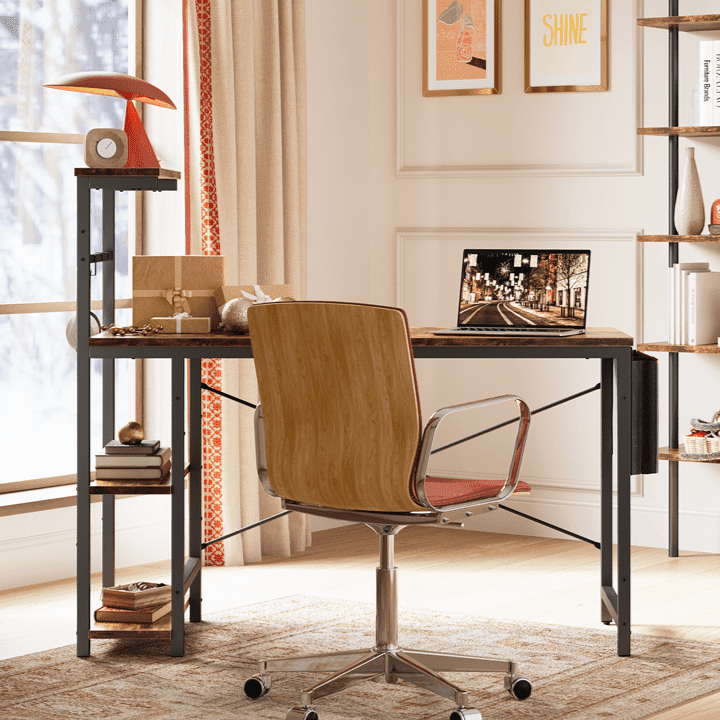
A 47 inch desk works well for minimalist setups with one monitor, a laptop, and basic accessories. This width provides enough surface area without overwhelming small rooms. You'll have space for a keyboard, mouse, and a small plant or organizer.
Dual Monitor Configuration
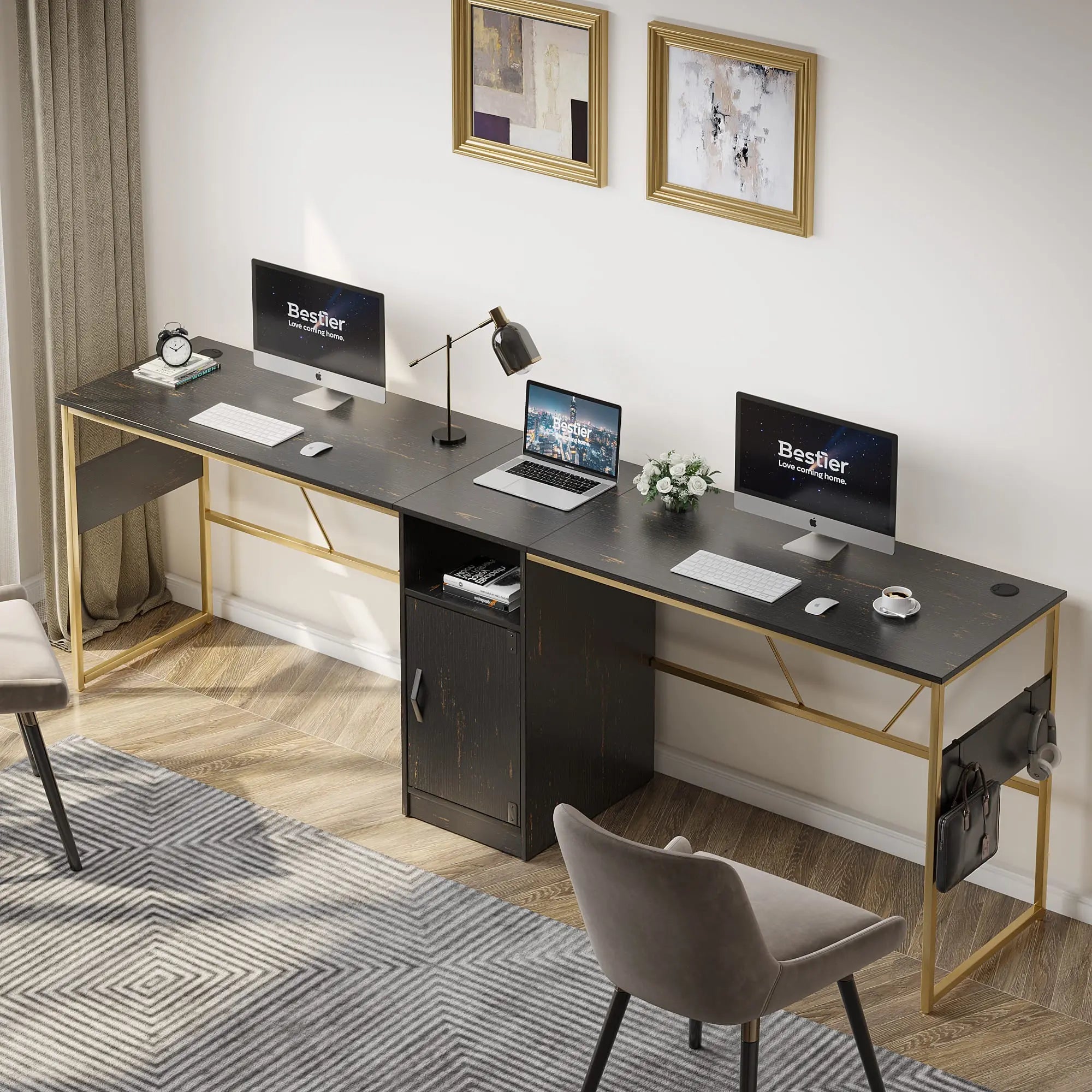
Two monitors require at least 55 inches of width for comfortable positioning. A 55 inch desk accommodates dual displays with some workspace on the sides. Consider going wider if you use large monitors (27 inches or above) or need room for speakers and other peripherals.
Multi-Monitor or Creative Workstation
Three monitors or professional equipment demand substantial surface area. A 60 inch desk provides breathing room for complex setups. Creative professionals who work with drawing tablets, external drives, and reference materials often find this size ideal.
The 63 inch gaming desk category targets gamers with multiple monitors, gaming consoles, and peripherals. These desks often feature cable management systems and reinforced construction.
For maximum workspace, a 72 inch standing desk handles the most demanding configurations. This size supports triple monitor arrays, production equipment, or extensive crafting projects while maintaining ergonomic positioning flexibility.

3. Decide Between Rectangular and L-Shaped Configurations
Rectangular desks offer simplicity and flexibility. They fit against walls, float in room centers, or tuck into corners. Moving and repositioning these desks takes minimal effort.
L-shaped desks maximize corner space efficiency. They create distinct work zones within a single piece of furniture. One side can hold your computer while the other serves as a writing or project area.
When Rectangular Makes Sense
Choose rectangular if you:
- Have limited square footage
- Rearrange furniture frequently
- Need a mobile workspace
- Work in a narrow room
When L-Shaped Works Better
Pick L-shaped if you:
- Want to utilize corner space
- Need separate task areas
- Have a home office dedicated room
- Manage multiple projects simultaneously
A 55 inch l shaped desk fits smaller home offices while providing dual work surfaces. Each leg typically measures around 48 to 55 inches, creating an efficient corner footprint.
The 60 inch l shaped desk offers more generous proportions. This size suits dedicated office spaces where you need room for computers, paperwork, and collaborative work.
| Desk Type | Best Room Size | Typical User |
| 47-55" rectangular | 80-100 sq ft | Remote worker, student |
| 60-72" rectangular | 100-150 sq ft | Professional, content creator |
| 55" L-shaped | 100-120 sq ft | Multi-tasker, small business owner |
| 60" L-shaped | 120-200 sq ft | Executive, creative professional |
4. Consider Ergonomic Desk Depth
Depth matters more than many buyers realize. This dimension controls your posture, eye strain, and overall comfort during long work sessions.
Minimum Depth Requirements
A 24-inch deep desk provides basic functionality. You can place a monitor at arm's length and have keyboard space. However, this depth leaves little room for error in positioning.
Standard 30-inch depth offers better ergonomics. Your monitor sits at the recommended viewing distance of 20 to 40 inches from your eyes. You gain space underneath for full leg extension.
Deep desks (36 inches or more) suit specific needs. Large monitors, multiple keyboards, or production equipment benefit from extra depth. Be cautious though, as excessive depth makes reaching items at the back difficult.
Legroom Considerations
Your knees need clearance underneath the desk surface. Most people require at least 20 inches of depth from the front edge to the back support or wall. Taller individuals need more.
Measure from your chair's front edge to the back of your knees while seated. Add 2 to 3 inches for comfortable clearance. This calculation helps determine your minimum usable depth.
Viewing Distance Guidelines
Screen size affects optimal desk depth. Larger monitors need greater viewing distances to reduce eye strain.
For 24-inch monitors, position the screen 20 to 28 inches away. A 27-inch display works best at 28 to 35 inches. Ultrawide or 32-inch screens require 35 to 40 inches of distance.
Account for monitor stand or arm depth when calculating. A monitor arm can save 4 to 8 inches of desk depth by moving the screen closer to the wall.

5. Measure Your Space Before Buying
Grab a tape measure and follow these steps to avoid sizing mistakes.
Step 1: Measure Your Available Floor Space
Measure the area where your desk will sit. Record width and depth in inches. Leave walkway clearance of at least 36 inches behind your chair for comfortable movement.
Step 2: Check Door and Hallway Widths
Measure doorways and hallways the desk must pass through during delivery. Many desks ship partially assembled but still need adequate clearance. A desk that fits your room but not through your door creates obvious problems.
Step 3: Account for Other Furniture
Map out existing furniture positions. File cabinets, bookshelves, and storage units affect desk placement. Draw a simple floor plan or use painter's tape on the floor to visualize desk footprints.
Step 4: Consider Power Outlet Locations
Note where electrical outlets sit in relation to your planned desk position. Running extension cords across walkways creates safety hazards. Position your desk so equipment reaches outlets easily.
Step 5: Test with Cardboard
Cut cardboard to your desired desk dimensions. Place it in your intended spot. Sit in your chair and simulate working. This physical test reveals spacing issues that measurements alone might miss.
Wall-mounted items also matter. Verify that shelves, artwork, or wall outlets won't interfere with your desk position or adjustable height mechanisms.
Create Your Ideal Workspace Today
The right desk size balances your equipment needs, available space, and comfort requirements. Measure your room carefully and consider how you actually work rather than choosing based on appearance alone. An appropriately sized desk prevents daily frustrations and supports long-term productivity. Take time to evaluate your specific situation before making this important workspace investment.
FAQs About Desk Sizes
Q1: What Is the Most Common Desk Size for Home Offices?
Most home office desks measure 48 to 60 inches wide and 24 to 30 inches deep. This range accommodates typical computer setups while fitting standard room dimensions. A 55 to 60 inch width suits most remote workers who need space for dual monitors and accessories.
Q2: How Much Desk Space Do I Need for Two Monitors?
Two monitors require at least 48 to 55 inches of width depending on screen size. For 24-inch monitors, a 48-inch desk works. Larger 27-inch displays need 55 to 60 inches for proper spacing. Consider additional width if you use monitor arms or need peripheral space.
Q3: Should I Buy a Desk Based on My Height?
Height matters primarily for desk surface height rather than overall dimensions. Standard 29 to 30 inch heights suit people between 5'4" and 6'0". Taller or shorter individuals benefit from adjustable height desks that accommodate proper ergonomic positioning regardless of user height.
Q4: Can a Desk Be Too Big for Productivity?
Excessive desk size can reduce efficiency by placing frequently used items out of comfortable reach. Optimal desk width keeps essential tools within arm's length while providing adequate workspace. Measure your reach from a seated position to determine practical limits.
Q5: What Desk Depth Prevents Eye Strain From Computer Work?
A depth of 28 to 30 inches allows proper monitor placement at 20 to 40 inches from your eyes. Shallower desks force screens too close, increasing eye strain. Deeper desks work for larger monitors but verify you can still reach items near the back edge comfortably.
