


Sitting at a traditional desk for eight hours a day can really wear on your body over time. A standing desk is a practical way to break up sedentary habits and add more movement to your workday. Below is a friendly, straightforward look at the key health benefits, plus simple setup and usage strategies to help you build a workspace that supports both comfort and productivity.
The Real Impact of Sedentary Behavior on Your Body
Your body wasn't designed for prolonged sitting. When people remain seated for hours, metabolism slows by up to 30%. Blood flow decreases, particularly to the legs and brain. Muscles stop actively burning calories and regulating blood sugar levels effectively.
The consequences extend beyond temporary discomfort. The lower back endures constant pressure in seated positions, with spinal discs compressed unnaturally. Core muscles weaken from lack of engagement, creating a cycle where poor posture becomes harder to correct. Hip flexors tighten and shorten, affecting walking gait and overall mobility even after leaving the desk.
Circulation suffers significantly. Blood pools in lower extremities, forcing the cardiovascular system to work harder. The body processes fats and sugars less efficiently, which contributes to long-term metabolic dysfunction. These physical changes accumulate over months and years of desk work.

Top Health Benefits of Switching to a Standing Desk
The problems with sitting naturally lead to exploring solutions. Standing desks address these issues by reintroducing natural body positioning into the workday.
Reduced Back and Neck Pain
Standing activates core muscles, which support the spine properly. Vertebrae align more naturally without the compression of sitting. Most people experience noticeable back pain reduction within three to four weeks of alternating between sitting and standing. The neck stays in a neutral position when monitors are positioned correctly, eliminating the forward head posture that causes cervical strain.
Improved Energy and Mental Clarity
Movement keeps oxygen flowing to the brain. Workers maintain alertness throughout afternoon hours when seated colleagues typically experience fatigue. Standing engages leg muscles continuously, which sends signals to the brain that help maintain focus. The physical act of standing prevents the drowsiness that comes from remaining stationary.
Better Metabolic Function
The body burns 50-100 more calories per hour while standing compared to sitting. Standing keeps muscles active in regulating blood glucose. The body responds better to insulin, maintaining more stable energy levels after meals.
Enhanced Circulation and Heart Health
Standing promotes blood flow throughout the body. The heart doesn't struggle against gravity to circulate blood from the legs. Improved circulation means better oxygen delivery to all organs and tissues. Regular standing breaks throughout the day help maintain cardiovascular fitness even during desk work.
How to Find Your Perfect Standing Desk Height and Posture
The health benefits only materialize when workers set up standing desks correctly. Poor positioning creates new problems instead of solving existing ones.
Proper Desk Height
Elbows should form a 90-degree angle when hands rest on the keyboard. Shoulders stay relaxed and down, not hunched toward ears. An adjustable standing desk lets workers dial in precise measurements rather than compromising with fixed heights.
Most people need the desk surface between 38-46 inches from the floor, depending on height. The range varies significantly, which is why adjustability matters. The desk should meet hands at this height.
Screen Positioning
The monitor sits at arm's length away, approximately 20-26 inches from eyes. The top of the screen aligns with or sits slightly below eye level. This prevents neck strain from looking up or tilting the head down constantly.
The primary screen goes directly in front, with secondary displays angled slightly inward. Avoid placing monitors where the neck needs to rotate repeatedly throughout the day.
Foot and Leg Positioning
Stand with feet hip-width apart. Weight distributes evenly across both feet rather than shifting to one side. Knees stay slightly bent, never locked straight. This soft knee position protects joints and allows natural micro-movements that keep blood flowing.
Feet point straight ahead or angle out very slightly. Avoid standing with feet turned inward, which creates hip and knee stress. Shift weight subtly throughout standing periods rather than remaining completely static.
| Body Part | Correct Position | Common Mistake |
|---|---|---|
| Elbows | 90-degree bend | Reaching up or down |
| Shoulders | Relaxed downward | Hunched toward ears |
| Screen | Eye level, arm's length | Too high or too low |
| Knees | Slightly bent | Locked straight |
| Feet | Hip-width, flat on floor | Weight on one leg |

How to Choose a Standing Desk
Selecting the right desk determines whether workers will actually use the desk consistently. Several factors influence which model works best for specific needs.
Desk Configuration
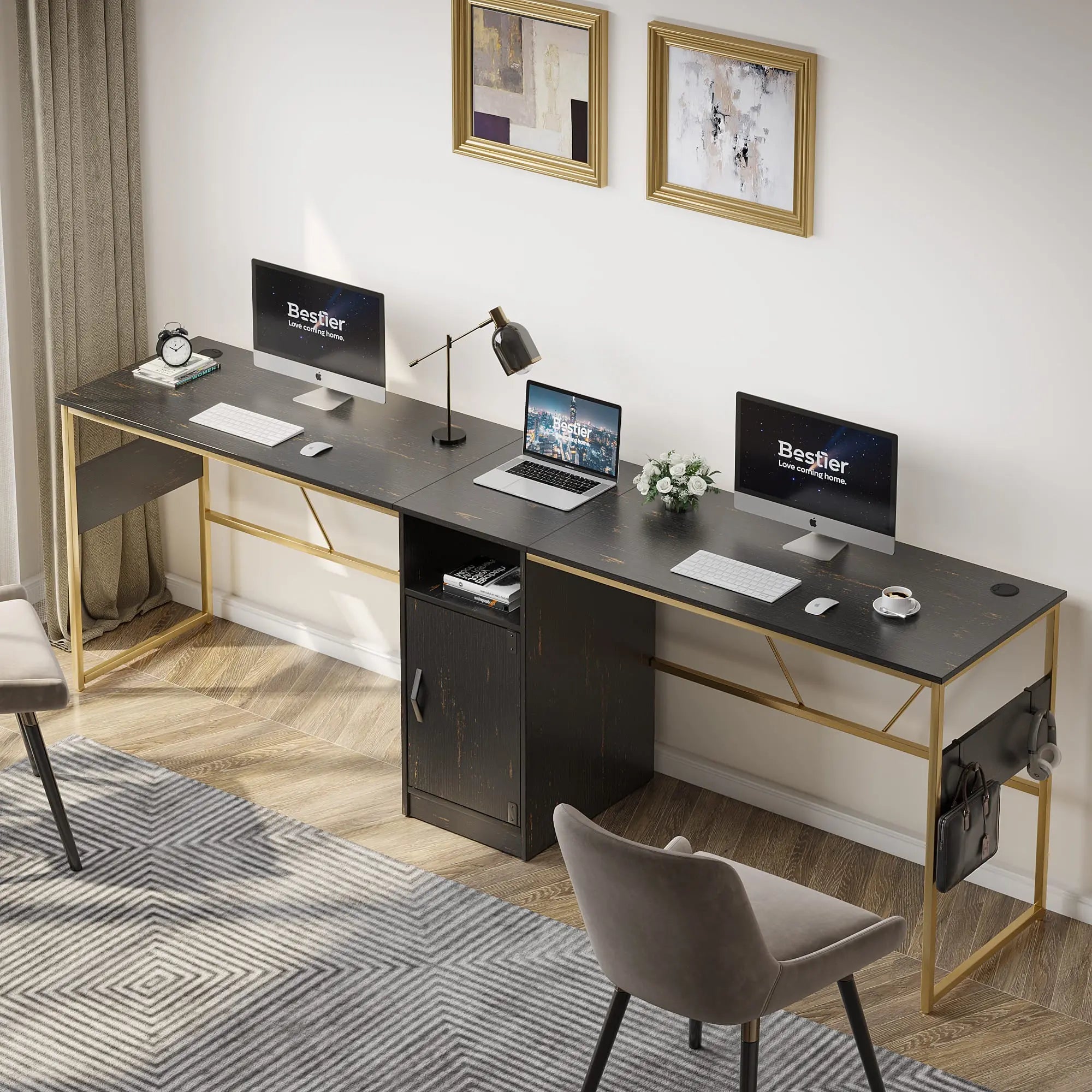
A corner standing desk fits efficiently into unused workspace areas while providing substantial surface area. An L shaped standing desk maximizes space for multiple monitors and equipment without consuming excessive floor space. These configurations work particularly well for people who need room for documents, reference materials, or multiple projects.
Standard rectangular desks suit smaller spaces or minimalist setups. A gaming standing desk typically features extra width and depth to accommodate monitors, speakers, and peripheral equipment. Consider actual equipment footprint before selecting dimensions.
Storage Solutions
A standing desk with storage keeps essential items within reach without cluttering the work surface. Built-in drawers hold supplies, documents, and personal items. Shelving units integrate seamlessly while maintaining the desk's adjustable functionality.
External storage cabinets work when integrated options aren't available. Position cabinets strategically so workers can access contents without excessive bending or reaching. The standing position should feel natural when retrieving items.
Adjustment Mechanisms
Electric motors provide smooth, effortless height transitions. Workers can program preset heights for different users or tasks. Manual cranks cost less but require physical effort each time someone adjusts. The inconvenience often leads people to adjust less frequently, reducing the desk's effectiveness.
Weight capacity matters significantly. Quality desks support 150-300 pounds safely. Calculate equipment weight including monitors, computer desk accessories. Choose models rated above total load to ensure stability and longevity.
Stability and Build Quality
Wobbling becomes intolerable at standing height. Test desk stability before purchasing if possible. Sturdy frames with wide bases provide better support. Anti-collision features stop movement when the desk encounters resistance, protecting equipment and preventing accidents.
Steel frames outlast alternatives and handle heavier loads. Powder-coated finishes resist scratches and wear better than painted surfaces.
Best Accessories and Cable Management Tips for a Clean Setup
The right accessories enhance comfort and maintain an organized workspace. These additions transform a basic standing desk into a fully functional ergonomic station.
Anti-Fatigue Mats
These cushioned surfaces reduce pressure on feet, legs, and lower back. The subtle instability encourages small movements that promote circulation. Stamina for standing increases significantly with proper mat support.
Choose mats at least 3/4 inch thick. Beveled edges prevent tripping hazards. Non-slip bottoms keep the mat stationary during use. Size the mat large enough to allow natural stance width and occasional position shifts.
Monitor Arms
Adjustable arms free up valuable desk space while allowing precise screen positioning. Workers can tilt, swivel, and adjust height independently of desk position. This flexibility helps maintain proper ergonomics whether sitting or standing.
Single or dual monitor arms accommodate most setups. Gas spring mechanisms provide smooth adjustment without tools or tightening. Verify monitor VESA mounting compatibility before purchasing arms.
Keyboard Trays
Adjustable keyboard trays optimize typing position separately from desk height. This becomes crucial if desk height suits monitors but positions the keyboard incorrectly. Negative tilt options encourage neutral wrist positioning that prevents strain.
Cable Management Systems
Loose cables create visual chaos and safety hazards. Under-desk cable management systems route power cords and data cables invisibly. The trays attach to the desk's underside, moving with height adjustments without tangling.
Cable sleeves bundle multiple wires into single, tidy runs. Adhesive clips guide cables along desk edges at regular intervals. These simple tools maintain organization even when workers frequently adjust desk height.
Label cables at both ends with durable tags. This saves frustration during troubleshooting or equipment changes. Color-coding helps identify cables quickly in crowded management systems.

Practical Tips for Transitioning to a Standing Routine
Having the right equipment means nothing without proper implementation. The transition strategy determines success or frustration.
Start Gradually
The body needs adaptation time. Begin with 15-20 minute standing intervals three to four times daily. Increase duration by five minutes weekly as comfort improves. Rushing this process causes fatigue and soreness that discourages continued use.
Week one focuses on building tolerance. By week four, many people comfortably stand for 30-45 minute sessions. Month three often brings the ability to stand for full hour-long periods comfortably.
Alternate Positions Strategically
Set timers to remind workers to change positions every 30-60 minutes. The reminder system prevents remaining in either position too long. Automatic alarms work better than trying to remember independently.
Stand during naturally active tasks. Phone calls, video meetings, and reading work well standing. Match position to activity type.
Listen to Body Signals
Tired legs signal the time to sit. Foot discomfort indicates the need for rest or better support. Ignoring these signals leads to overuse problems that can sideline workers for days.
Some discomfort is normal initially. Sharp pain isn't. Distinguish between muscle adaptation and actual injury. Reduce standing time if persistent pain occurs despite proper posture and gradual progression.
Maintain Movement
Standing statically isn't the goal. Shift weight between feet regularly. Take a few steps in place every 10-15 minutes. These micro-movements prevent stiffness and maintain circulation better than standing completely still.
Incorporate simple exercises during standing periods. Calf raises, hip circles, and shoulder rolls take seconds but provide significant benefits. Movement breaks benefit workers whether sitting or standing.
Optimize the Environment
Wear supportive footwear with cushioned insoles. Hard floors demand more support than carpeted surfaces. Avoid standing barefoot for extended periods, which can cause plantar fasciitis.
Adjust lighting to reduce eye strain. Position the desk to minimize screen glare from windows. Task lighting should illuminate work without creating monitor reflections.
Make the Change to Better Health Today
Standing desks directly address the health consequences of sedentary work. The benefits extend beyond temporary comfort to genuine improvements in metabolism, circulation, and musculoskeletal health. The initial investment pays ongoing dividends through increased energy, reduced pain, and better long-term health outcomes.
Start the transition gradually, building sustainable habits that support the body for years of productive work.
FAQs
Q1: How Many Hours Should I Stand at My Desk Daily?
The goal is to stand for a period of two to four hours. Break up standing time during the workday. Take frequent breaks to stand. Switch positions every 30-60 minutes. Spend time sitting and standing. Standing time should have variations. Most people suggest beginning with a brief period of standing.
Q2: Will a Standing Desk Cure My Back Pain?
No, standing desks can help with back pain, but they won't fix every back problem. The standing desk might be a big help if you have back discomfort caused by sitting with poor posture and a weak back.
Q3: Can I Use a Standing Desk if I Have Knee or Foot Problems?
It depends. You should talk to your doctor or nurse before you decide to make a change. Many people who have trouble with their joints find it helps to change positions during the day. Some situations require certain changes or could get worse if you stand for a long time. For people who already have trouble with their jobs, anti-fatigue mats and comfortable shoes are even more helpful.
Q4: How Do I Know if My Standing Desk Height Is Correct?
The elbows bend at right angles with the shoulders relaxed when typing. The monitor is positioned at eye level without the neck looking up or down. The feet rest flat on the floor with the knees slightly bent. Discomfort in 20-30 minutes indicates improper posture. Photographing the posture from the side will help check the alignment objectively.
Q5: Do I Need to Stand All Day to Get Health Benefits?
No, standing all day creates different problems. The aim is to alternate between different positions in a day, not to do away with sitting altogether. Having two hours of standing in an eight-hour day is a huge health advantage over sitting. Standing every 30-60 minutes is ideal.
