

Summary
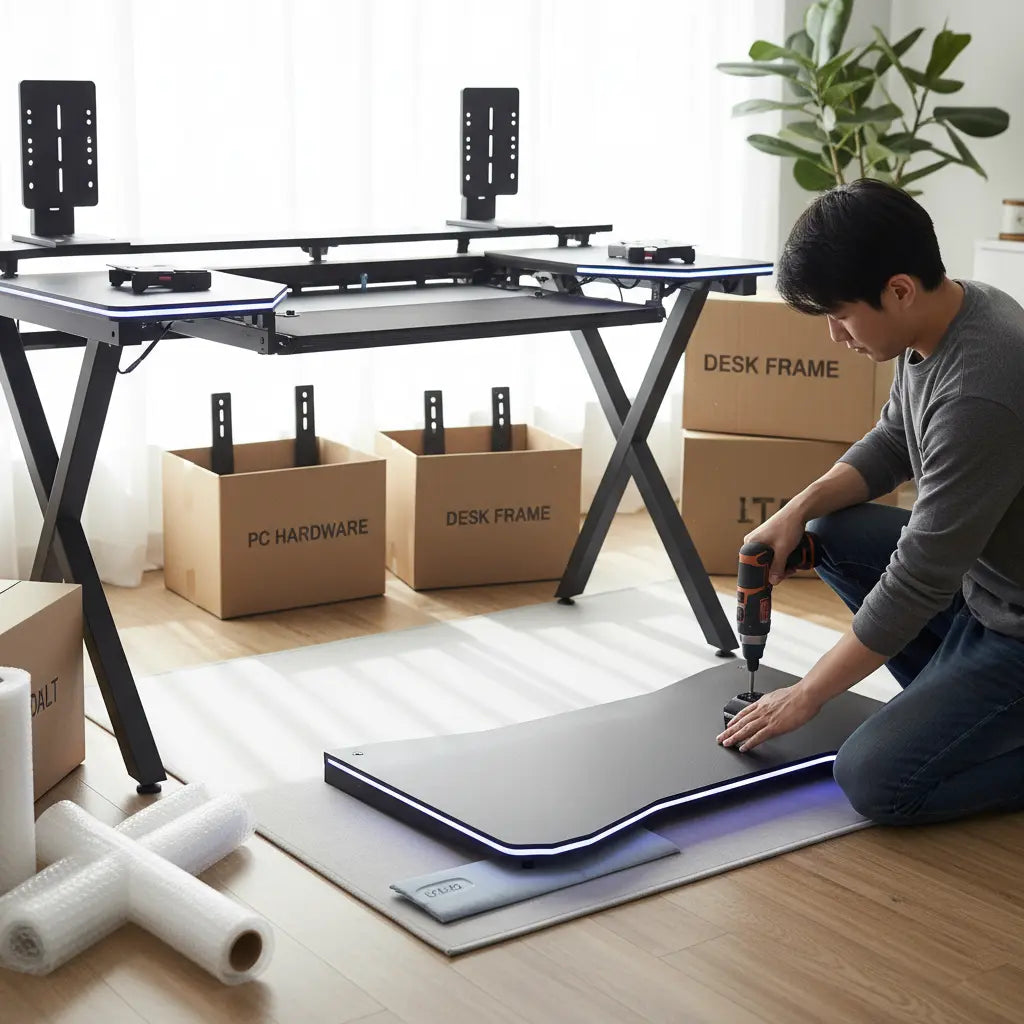
Moving house with flat-pack furniture requires a strategic approach to disassembly that prioritizes structural integrity and hardware organization to ensure your pieces survive the transition and reassemble perfectly in your new home. By methodically documenting the process, protecting sensitive engineered wood panels, and managing integrated electronics like LED strips, you can prevent common moving-day damages such as stripped screw holes or cracked joints.
Key takeaways
- Document before dismantling: Take high-resolution photos of all joints and wiring configurations to serve as a visual reassembly guide.
- Partial disassembly is often safer: Only remove components necessary for transport; keeping some sections intact reduces the risk of losing small hardware or weakening the material.
- Manage hardware with precision: Use labeled bags for each furniture piece and tape them directly to a large panel to prevent loss during the move.
- Protect engineered wood: Use corner protectors and moving blankets to shield MDF and particle board from humidity and impact, which can cause irreversible swelling or chipping.
- Handle electronics with care: Disconnect and coil LED strips or power hubs separately to avoid tension damage during transit.
How to prepare for flat-pack furniture disassembly
The success of your moving day often depends on the preparation done 48 hours before the movers arrive. For flat-pack items, this means gathering the right tools and creating a "hardware hub." Unlike solid wood furniture, engineered wood—often used in budget-friendly desks and TV stands—has a finite number of times it can be screwed and unscrewed before the internal fibers lose their grip.
Start by clearing the area around the furniture to provide a flat, clean workspace. You will need a set of Allen keys (hex keys), a Phillips head screwdriver, and ideally, a low-torque electric screwdriver. High-torque drills should be avoided as they can easily strip the pre-drilled holes in particle board. Before you loosen the first bolt, refer to the original Bestier furniture assembly guide to understand the structural load points.
Logic Summary: Preparation is prioritized because engineered wood is more susceptible to "fatigue" than solid wood. Using low-torque tools reduces the risk of stripping holes, which is the most common cause of wobbly furniture after a move.
Step-by-step guide to safe disassembly
When disassembling, work in the reverse order of the original assembly instructions. If you no longer have the manual, follow this general sequence to maintain stability throughout the process.
- Remove accessories and electronics: Detach LED strips, keyboard trays, and monitor stands. For pieces like an L-shaped desk with file drawers, remove the drawers entirely and pack them separately.
- Stabilize the main structure: Have a second person hold the vertical panels while you loosen the top surface. Never let a panel "hang" by a single screw, as the weight can tear the wood fibers.
- Loosen cam locks: Use a flathead screwdriver to turn cam locks counter-clockwise until they release. If a cam lock is stuck, a common industry tip is to apply gentle heat from a hairdryer to expand the metal slightly, making it easier to turn without damaging the surrounding wood.
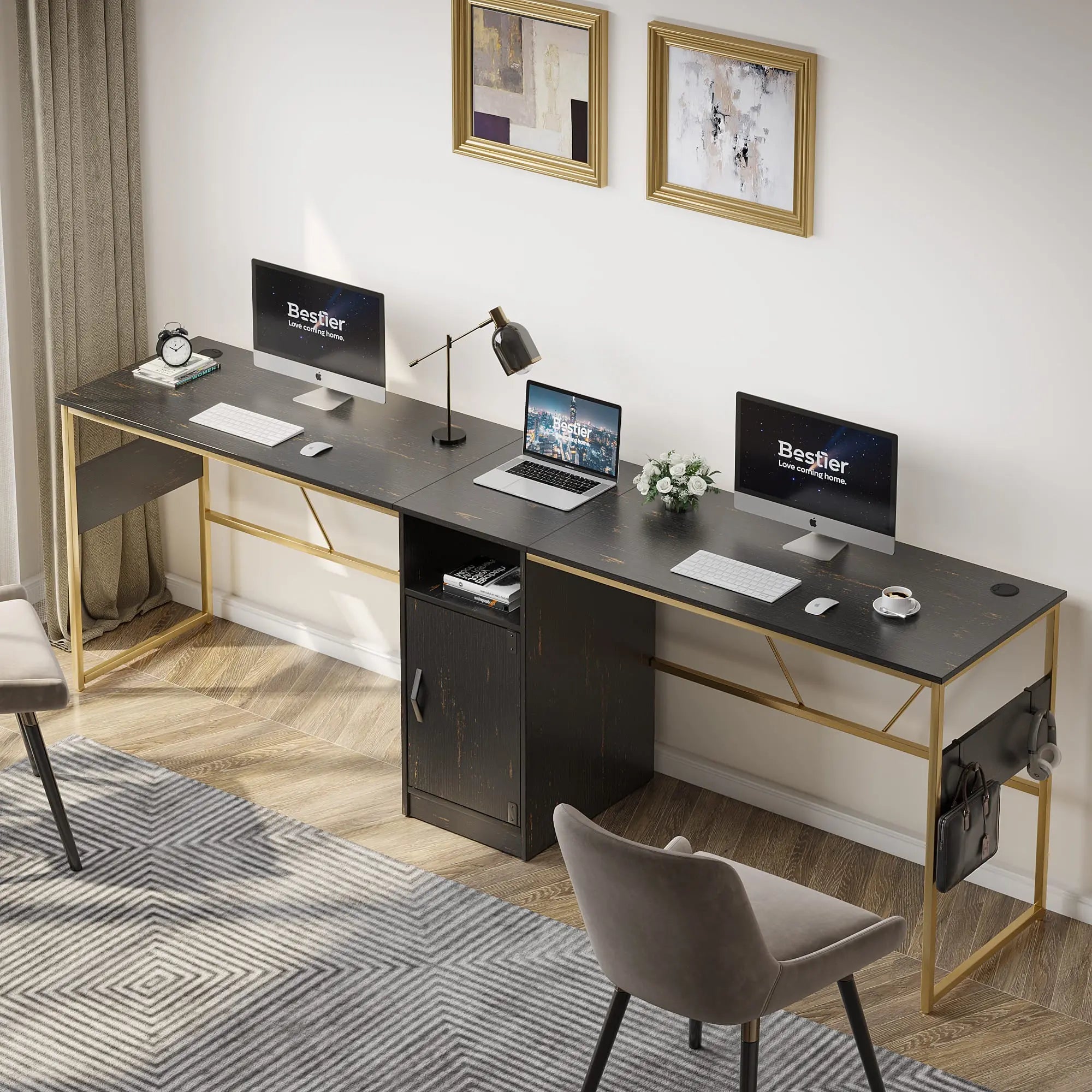
- Label every panel: Use painter's tape to mark panels (e.g., "Desk Top - Left," "Side Support - Right"). This is especially critical for complex L-shaped desk collection items where many panels look similar.

Protecting engineered wood and material safety
Most modern flat-pack furniture is constructed from Medium Density Fiberboard (MDF) or particle board. While these materials are durable and cost-effective, they are sensitive to environmental changes. During a move, disassembled panels are often exposed to varying humidity levels in moving trucks or storage units.
According to engineered wood safety standards, materials compliant with CARB Phase 2 and EPA TSCA Title VI are designed for indoor stability. However, when the protective laminate edges are exposed during disassembly, the internal core can absorb moisture. To prevent swelling, wrap panels in plastic stretch film or moving blankets immediately after dismantling.
| Material Feature | Moving Risk | Mitigation Strategy |
|---|---|---|
| Exposed Edges | Moisture absorption/swelling | Seal with stretch wrap or tape |
| Cam Lock Holes | Debris buildup/chipping | Cover holes with painter's tape |
| Laminate Surface | Scratches/scuffs | Use moving blankets between panels |
| Pre-drilled Holes | Stripping/widening | Re-insert screws partially or use bags |
Managing integrated LED and smart features
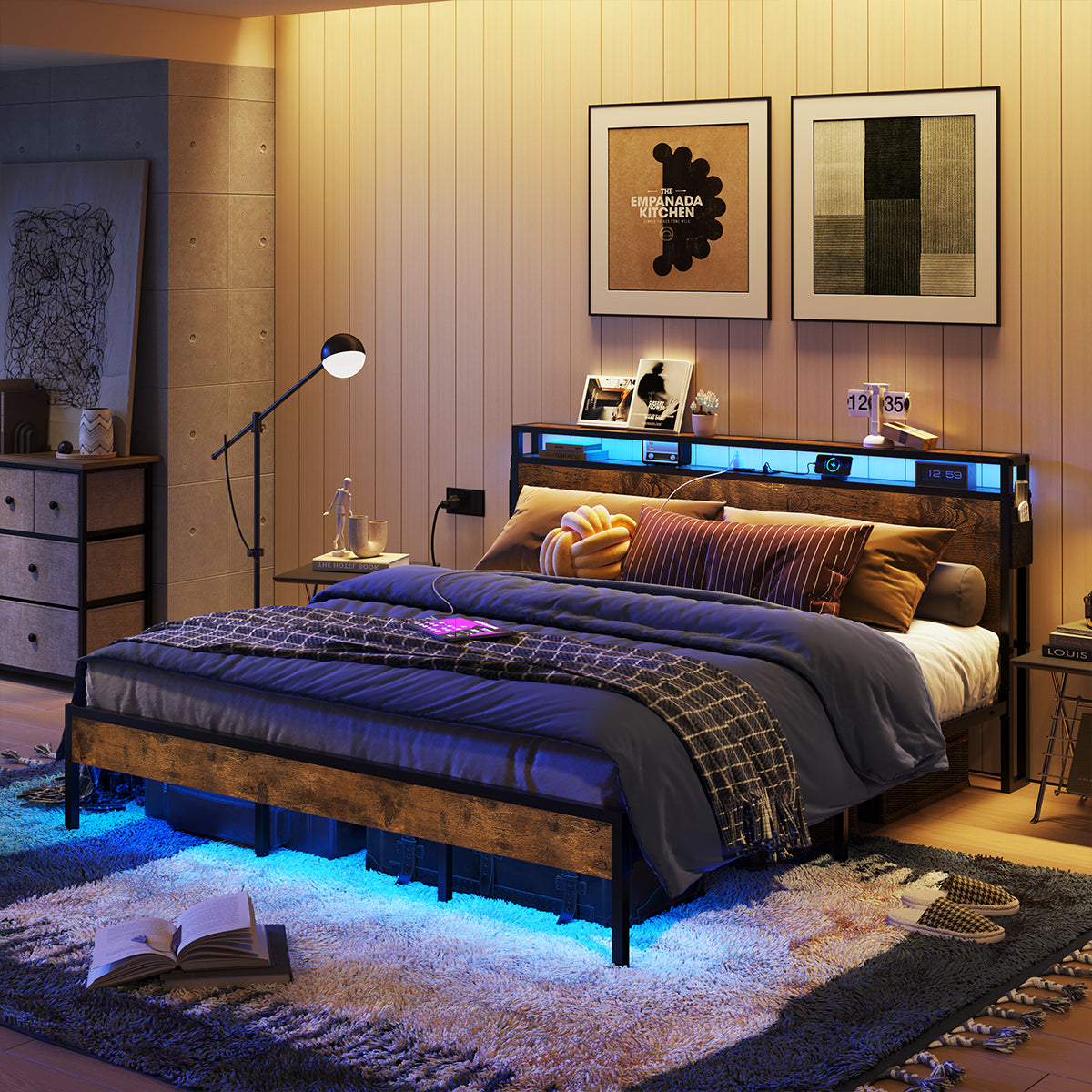
Many Bestier pieces feature integrated technology. When syncing LED furniture with smart lighting, the wiring is often tucked away for aesthetics. During a move, these wires are at high risk of being pinched or severed.
Carefully peel back LED strips if they are adhesive-mounted, or disconnect them from the controller hub if they are recessed. Coil the strips loosely—never fold them—to prevent breaking the internal circuitry. Label the power adapters clearly; many furniture power bricks look identical but have different voltage outputs (e.g., 12V vs. 5V), and using the wrong one can fry your electronics upon reassembly.

Packing and transit best practices
Once disassembled, the way you stack your furniture in the moving truck determines its survival.
- Vertical Stacking: Store large panels vertically (on their long edge) rather than flat. Stacking heavy items on top of flat panels can cause "bowing" or warping over time.
- Hardware Security: Never put loose screws in a box. Bag them, label them, and tape the bag to the underside of the largest panel of that specific furniture piece.
- Corner Protection: The corners of MDF panels are the most fragile points. Use cardboard corner protectors or extra layers of bubble wrap to prevent "mushrooming" if a panel is bumped.
Logic Summary: Vertical stacking is recommended because engineered wood panels have high compressive strength on their edges but can flex and warp under sustained weight when laid flat, especially in non-climate-controlled environments.
Reassembly tips for a "like-new" feel
When you arrive at your new home, don't rush the reassembly. Check the stability of each joint as you go. If you find that a screw hole has become slightly enlarged or wobbly, you can often improve the fit by inserting a small sliver of a toothpick or a specialized wood filler before driving the screw back in. This technique for fixing wobbly desk stability can extend the life of your furniture significantly.
FAQ
Should I fully disassemble my flat-pack furniture for every move? Not necessarily. If a piece is small enough to fit through doorways and into the moving vehicle without being dismantled, it is often safer to leave it intact. Every disassembly cycle slightly weakens the connection points in engineered wood. However, for large items like L-shaped desks or wardrobes, disassembly is required to prevent structural racking (twisting) during transit, which can cause permanent damage.
What should I do if a cam lock or screw is stuck? Avoid using excessive force, as this will likely strip the head or crack the surrounding wood. For metal cam locks, try applying a small amount of heat with a hairdryer to expand the metal, or use a drop of penetrating oil if the hardware is accessible. If a screw is stripped, use a rubber band between the screwdriver tip and the screw head to provide extra grip.
How do I prevent my furniture from smelling like "new furniture" again after being in storage? The "new furniture" smell is often the result of VOC off-gassing, which can be trapped when furniture is wrapped in plastic for long periods. If your furniture is CARB Phase 2 compliant, emissions are already very low. To minimize odors after a move, unwrap the pieces in a well-ventilated area and allow them to air out for 24 hours before reassembling and placing them in a small room.
Can I use a power drill to speed up the disassembly process? It is generally discouraged to use a standard high-power drill on flat-pack furniture. The high torque can easily over-tighten or strip the pre-drilled holes in particle board and MDF. If you must use power tools, use a dedicated low-torque electric screwdriver with an adjustable clutch set to the lowest possible tension to ensure you don't compromise the material's integrity.
How do I pack the glass shelves or mirrors found in some entertainment centers? Glass components should always be removed and packed separately. Wrap the glass in a layer of packing paper, followed by several layers of large-cell bubble wrap. Place the wrapped glass in a specialized "mirror box" and ensure it is stored vertically. Never lay glass flat, as the pressure from other items or even its own weight during a bumpy ride can cause it to shatter.
References
Government / Standards / Regulators
- California Air Resources Board (CARB): Composite Wood Products ATCM
- U.S. Environmental Protection Agency (EPA): Formaldehyde Emission Standards for Composite Wood Products
Industry Associations / Research Institutes
- American Moving & Storage Association (AMSA): Best practices for furniture handling and transit safety.
- Composite Panel Association (CPA): Technical specifications for MDF and particle board durability.
Community
- Reddit r/Moving: Intent discovery for common DIY disassembly failures (labeled as intent only, not authoritative).
- StackExchange Home Improvement: User-submitted techniques for repairing stripped engineered wood (labeled as intent only, not authoritative).
