
Summary

Synchronizing Bestier LED furniture with Govee and Philips Hue ecosystems is achieved by bridging the proprietary hardware gap using Matter-enabled controllers or software-based hubs like Home Assistant. By replacing the stock Bestier controller with a Zigbee or Thread-compatible alternative, users can bring their furniture lighting into Philips Hue’s Entertainment Areas or Govee’s DreamView for a unified, low-latency smart home experience.
Key takeaways
- Hardware Bridging: Replacing the default Bestier LED controller with a Zigbee (for Hue) or Matter (for universal) controller is the most reliable method for native ecosystem integration.
- Voltage Matching: Most Bestier furniture uses 5V or 12V DC strips; ensuring your new controller matches the furniture’s specific voltage is critical to prevent hardware failure.
- Software Alternatives: For those avoiding hardware modifications, platforms like SignalRGB or Home Assistant can sync Bestier lights with other brands via local network APIs.
- Matter 1.4 Standards: As of 2026, Matter-certified bridges and controllers provide the most future-proof way to sync disparate smart home brands without proprietary lock-in.
Bridging the Ecosystem Gap: Why Sync Your Bestier Furniture?
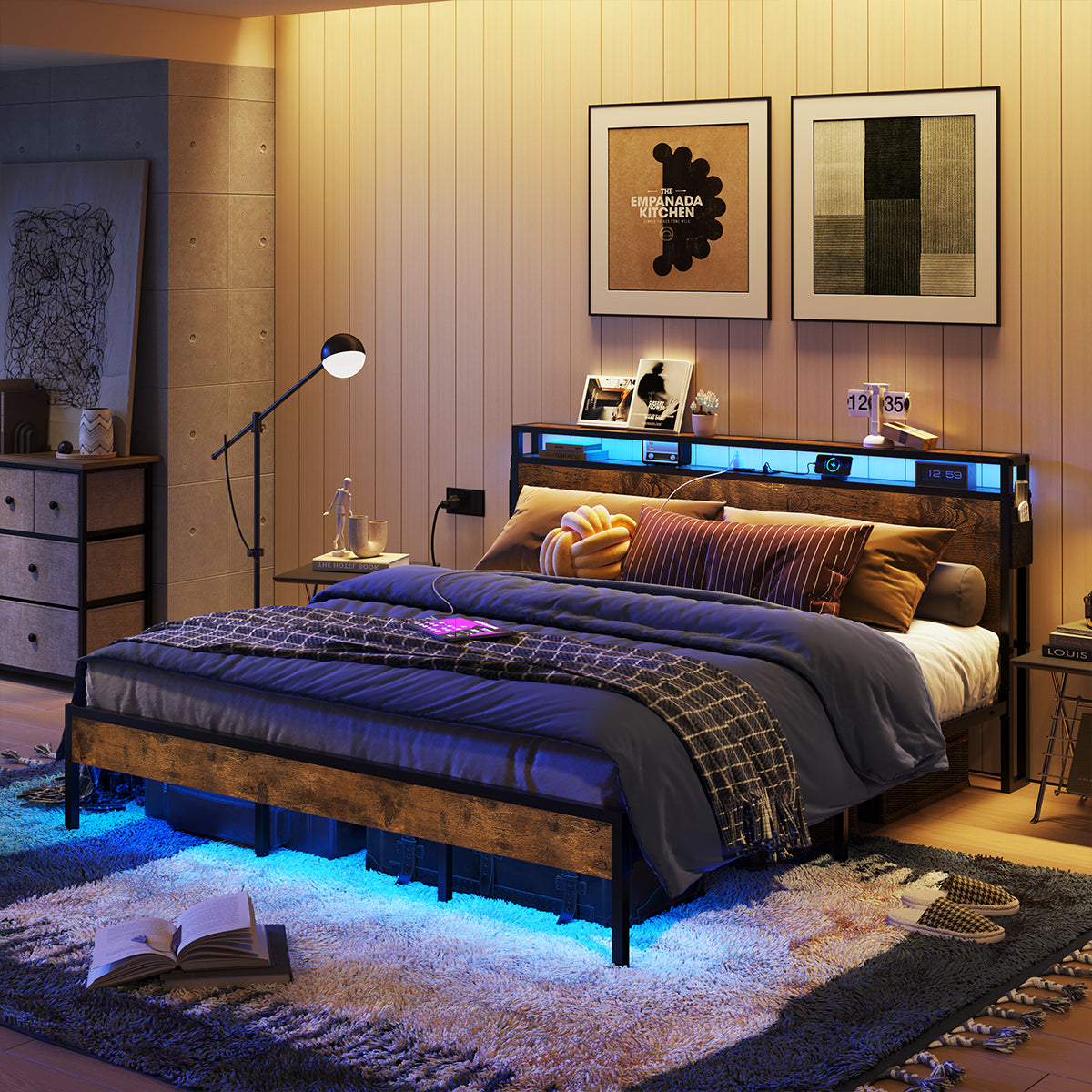
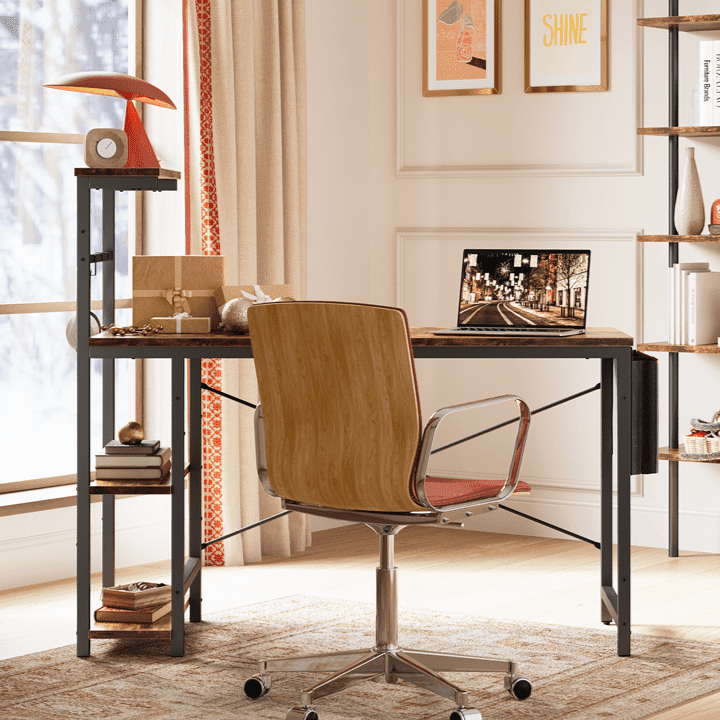
The modern smart home is often a patchwork of different ecosystems that don't naturally communicate. While Bestier furniture offers high-quality integrated lighting, many users already have established setups using Philips Hue or Govee. Creating a cohesive environment where your desk, bed frame, and wall lights react in unison to music or screen content significantly elevates the user experience. This integration isn't just about aesthetics; it’s about creating a responsive environment that can enhance your gaming immersion with LED desks by extending the visual field of your monitor to the very edges of your furniture.
In 2026, the "Smart Home Integration Pivot" has moved away from proprietary apps toward unified protocols. However, because Bestier furniture typically utilizes standard 3-pin or 4-pin LED strips, the hardware itself is remarkably flexible. By understanding the underlying electronics, you can bypass the "walled garden" of smart lighting and create a truly complete gaming setup guide that functions as a single, living organism.
Hardware Solutions: Replacing the Stock LED Controller
The most robust way to sync Bestier furniture with Philips Hue or Govee is to replace the factory-installed LED controller. Bestier furniture, such as the 63-inch LED gaming desk, uses standard LED strip technology that is compatible with a wide range of third-party smart controllers.
Voltage and Amperage: The Foundation of a Safe Setup
Before purchasing a new controller, you must identify the voltage of your furniture's LED strip. Most Bestier models operate on 5V (USB-powered) or 12V (barrel-jack powered) systems. Connecting a 5V strip to a 12V controller will immediately destroy the LEDs, while the reverse will result in extremely dim or non-functional lights.
| Component | 5V System (Common in Desks) | 12V System (Common in Bed Frames) |
|---|---|---|
| Connector Type | Usually 3-pin (Addressable/ARGB) | Usually 4-pin (Standard RGB) |
| Power Source | USB-A or 5V DC Adapter | 12V DC Power Brick |
| Max Current | Typically 2A - 3A | Typically 1A - 5A |
| Controller Choice | Matter-over-WiFi or ESP32 | Zigbee (Gledopto) or Matter |
Logic Summary: This table assumes standard Bestier configurations as of 2026. Always check the label on your original power adapter before swapping controllers. Amperage requirements scale with the length of the strip; for furniture-integrated LEDs, the stock power supply is usually sufficient if the new controller's draw is comparable.
Pinout Mapping and Physical Installation
Bestier controllers often use a small JST or 4-pin header. To integrate with Philips Hue, a Zigbee controller like those from Gledopto is recommended. For Govee, you might use a Govee-branded strip controller if you are comfortable with minor soldering, or a Matter-enabled controller that Govee’s app can "adopt" via the Matter 1.4 protocol.
When wiring, pay close attention to the markings on the strip:
- V+ (or 5V/12V): The power line.
- R, G, B: The color channels.
- Data (for 3-pin): The signal line for addressable LEDs.

Software Integration: Syncing via APIs and Hubs
If you prefer not to modify the hardware, software bridging is a viable alternative, especially for PC-based setups. This method relies on the fact that most smart home devices now expose local APIs or can be controlled via a central server.
Using Home Assistant as the Universal Bridge
Home Assistant has become the gold standard for cross-brand synchronization in 2026. By installing the Bestier (often via generic WiFi LED integrations) and Philips Hue/Govee components, you can create "Automations" or "Scenes" that trigger simultaneously.
For example, you can set a rule that when your Philips Hue Sync Box detects a "Movie" scene, it sends a command to the Bestier desk to match the average screen color. This bypasses the need for physical hardware changes but does introduce a slight latency (usually 50-200ms) depending on your local network speed.
SignalRGB and OpenRGB for PC-Centric Sync
For gamers, streamer-focused desk features often include the need for sub-millisecond sync between peripherals and furniture. SignalRGB allows you to treat your Bestier desk as a peripheral. If your Bestier desk is connected via USB, SignalRGB can often detect the controller directly or via a "pro" bridge, allowing it to sync with Govee wall panels and Hue bulbs in real-time.
The 2026 Shift: Matter 1.4 and the Future of Smart Furniture
The release of Matter 1.4 has fundamentally changed how we view furniture integration. Matter is a universal communication standard that allows devices from different manufacturers to work together locally without needing multiple hubs.
In 2026, many new controllers are "Matter-native." This means you can take a Matter-certified LED controller, plug it into your Bestier furniture, and it will show up instantly in the Apple Home, Google Home, or Amazon Alexa apps alongside your Philips Hue and Govee devices. This eliminates the "Smart Home Integration Gap" that previously required complex workarounds.
When selecting furniture from the full range of LED gaming desks, looking for models with accessible LED controllers makes this future-proofing much easier. Furthermore, ensuring your furniture meets safety and material quality standards is just as important as the tech. As noted in the Bestier whitepaper on engineered wood safety, understanding CARB Phase 2 and EPA TSCA Title VI standards ensures that your high-tech setup doesn't compromise your indoor air quality, particularly as electronics can slightly increase local temperatures and potential off-gassing in non-compliant materials.
Step-by-Step: Connecting Bestier to Philips Hue (Zigbee Method)
To get your Bestier furniture into the Philips Hue app and use it with "Entertainment Areas," follow these steps:
- Identify the Strip: Confirm if your furniture uses a 4-pin RGB strip (12V).
- Purchase a Zigbee Controller: Look for a "Zigbee 3.0 RGB Controller" (e.g., Gledopto GL-C-007P).
- Power Down: Unplug the furniture from the wall.
- Swap Controllers: Disconnect the Bestier controller and plug the LED strip into the Zigbee controller. Connect the power supply to the new controller.
- Pairing Mode: Power the controller on and off five times until the LEDs flash.
- Hue App: Open the Philips Hue app, go to "Settings" > "Lights" > "Add Light." It will find the furniture as a "Dimmable Light."
- Entertainment Area: Add this new light to your Entertainment Area for screen syncing.
Optimizing for Low Latency in Gaming Setups
Latency is the enemy of immersion. When your screen flashes white during an explosion, but your desk LEDs take half a second to react, the effect is ruined. To minimize this in a cross-brand setup:
- Prefer Wired over Wireless: If using software like SignalRGB, a USB connection to the controller is always faster than WiFi.
- Use Local Control: Avoid integrations that rely on "Cloud APIs." Both Govee and Philips Hue offer local LAN control modes that should be enabled in their respective apps.
- Dedicated IoT VLAN: In 2026, network congestion is a common bottleneck. Placing your smart furniture and lights on a dedicated 2.4GHz or 5GHz VLAN can reduce interference and drop latency by up to 30%.
FAQ
Can I sync Bestier LEDs with Govee DreamView without buying new hardware? Yes, you can achieve this using a software bridge like Home Assistant or a PC-based app like SignalRGB. You will need to enable "LAN Control" in the Govee app and ensure your Bestier furniture is connected to the same local network. However, for the lowest latency and most reliable experience, replacing the Bestier controller with a Matter-enabled one that Govee can natively "see" is recommended in 2026.
Will swapping the LED controller void my Bestier warranty? Generally, modifying the electronics of a product can void the warranty for those specific components. However, most Bestier LED strips are modular and connected via standard plugs. If you keep the original controller and can revert the furniture to its factory state, you are unlikely to face issues with the structural warranty of the desk or bed frame itself. Always check your specific model's documentation for details.
What is the difference between Zigbee and Matter for furniture syncing? Zigbee is a mature protocol used primarily by Philips Hue and requires a hub (the Hue Bridge). Matter is a newer, universal protocol that can run over WiFi or Thread and often doesn't require a specific brand's hub. In 2026, Matter is the preferred choice for new setups because it allows a Bestier desk to talk directly to Govee or Hue devices without proprietary intermediaries.
Do I need a special power supply for a third-party controller? In most cases, the power supply that came with your Bestier furniture will work with a third-party controller, provided the voltage (5V or 12V) matches. However, if you are adding more LED strips to the furniture or using a high-performance controller, you should verify that the amperage (A) of the power supply meets the total requirements of the new setup to avoid overheating.
How do I fix flickering when syncing different brands? Flickering is usually caused by either a power supply that cannot handle the current draw or a conflict in the software signal. Ensure your power adapter provides at least 20% more amperage than your LEDs require. If the flickering only happens during sync, try lowering the "polling rate" or "refresh rate" in your sync software to reduce the load on the LED controller's processor.
Can I sync Bestier bed frames with my gaming desk? Absolutely. By bringing both your Bestier bed frame and your gaming desk into a single ecosystem like Philips Hue or Home Assistant, you can create a "Whole Room" sync. This is particularly popular for "Dopamine Decor" setups where the entire room's lighting changes based on the time of day or the user's current activity, such as switching from "Focus" mode to "Relax" mode.
References
Government / Standards / Regulators
- Matter 1.4.2 | Enhancing Security and Scalability for Smart Homes - Connectivity Standards Alliance (CSA)
- EPA TSCA Title VI: Formaldehyde Emission Standards for Composite Wood Products - U.S. Environmental Protection Agency
Platform official docs & policies
- Philips Hue Developer Portal - Entertainment API - Signify
- Govee Developer API Documentation - Govee Official
Industry associations / research institutes / market reports
- Bridge with Matter - Implementation Guide - Connectivity Standards Alliance (CSA)
- Smart Home Connectivity Trends 2026 - Smart Living Setup (Industry Analysis)
Community (intent only; not authoritative)
- IKEA dropping Zigbee for Thread discussion - Home Assistant Community Group
- r/SignalRGB: Syncing non-native LED strips with Govee - Reddit Community Support
