
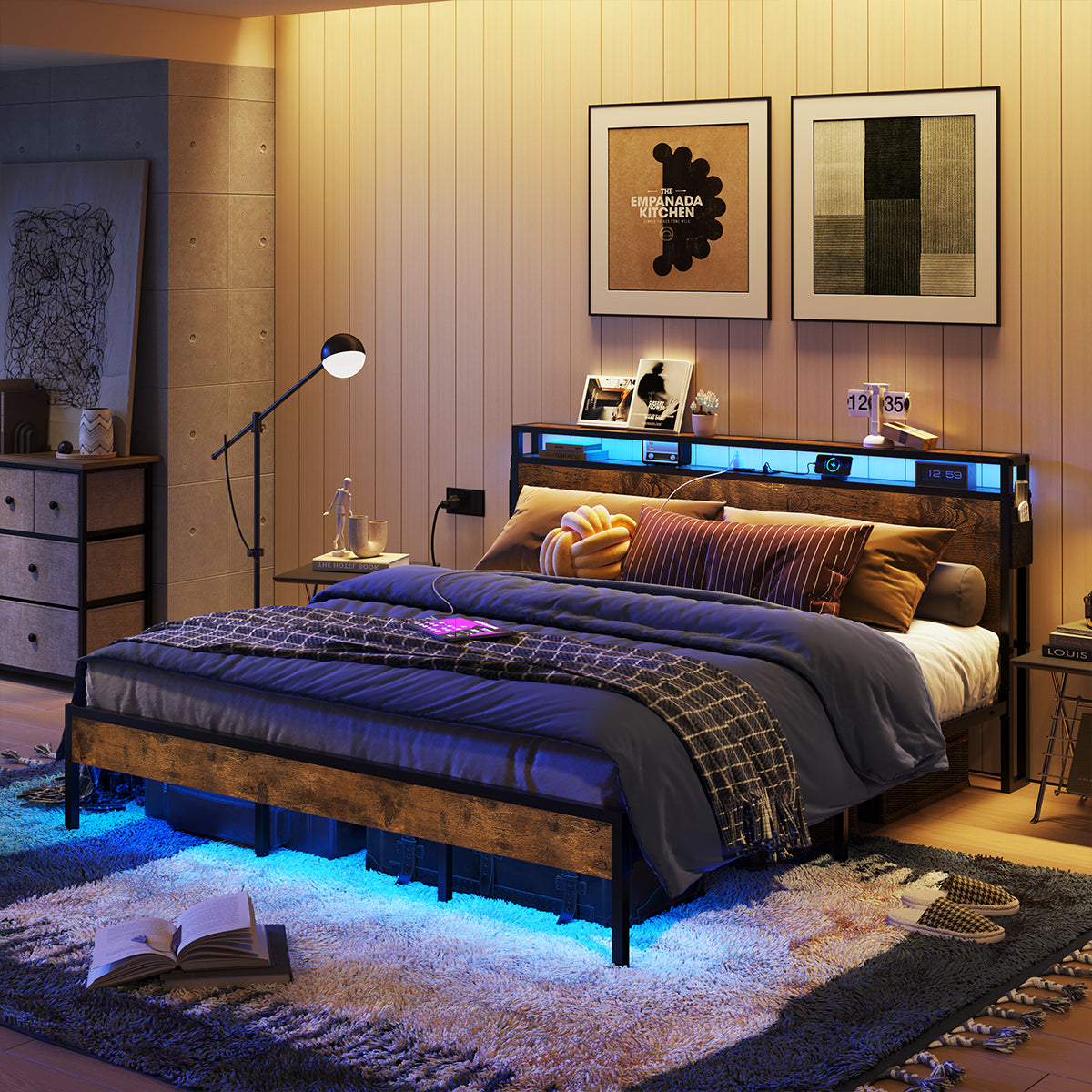
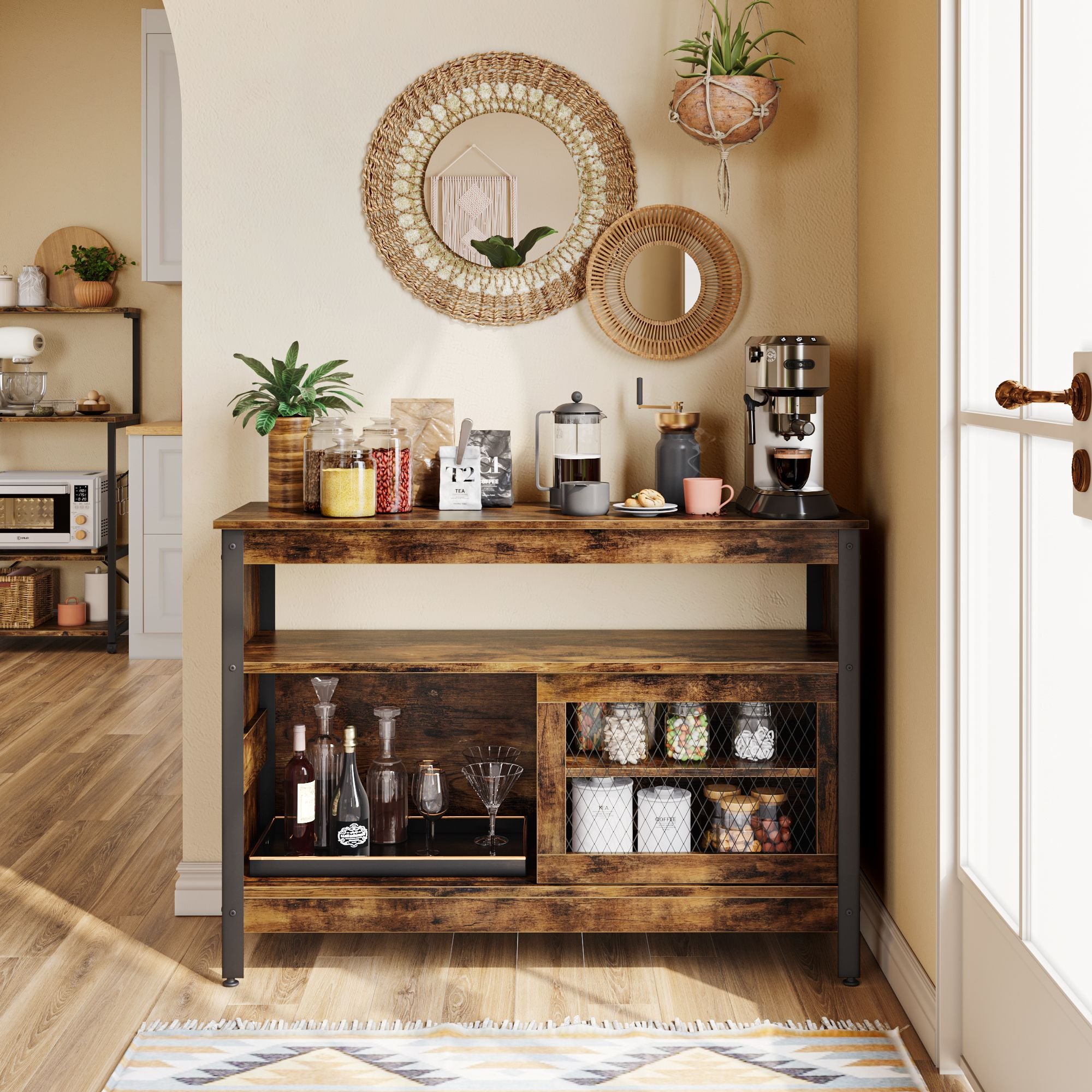
The Challenge of Micro-Apartment Living
In micro-apartments where every square foot counts, multi-functional furniture transforms cramped living into efficient, comfortable spaces. These pieces support work, rest, and daily routines without the constant need for compromise. The key is selecting items that genuinely serve multiple needs while preserving circulation and visual calm, rather than simply buying anything labeled "space-saving." This guide provides practical strategies, measurement rules, and scenario-based choices to help you build a cohesive small apartment solution that works in real life.
Related Resources
- Small Corner Desk with Shelves: The Ultimate Studio Apartment Hack
- 7 L-Shaped Desk Layouts for Small Bedroom Offices

Why Multi-Functional Furniture Matters in Micro-Apartments
Micro-apartments often force residents to combine living, working, dining, and storage into limited footprints, sometimes under 400 square feet. Traditional single-purpose pieces can quickly lead to clutter and restricted movement. Multi-functional furniture addresses this by delivering storage, work surfaces, and seating within the same footprint, helping maintain open pathways and a less cramped feel.
In our experience with small-space layouts, pieces that multitask effectively allow you to reclaim floor area while keeping the apartment functional for hybrid work. However, success depends on matching the furniture to your specific layout and routines rather than chasing generic solutions.
Essential Measurement Thresholds Before You Buy
Always measure your room and compare product dimensions before purchasing. A common pattern we see is overlooking how a piece functions when fully deployed. It is vital to evaluate furniture in both its closed and fully opened or extended states.
Key industry-standard heuristics include:
- Walkway clearance: Aim to maintain a minimum of 60 cm (approximately 24 inches) of clear walkway to doors, windows, and key zones, even when furniture is in use.
- Desk suitability: For work-from-home setups, ensure there is sufficient knee clearance and tabletop depth to support proper posture.
- Storage matching: Compare internal capacity to your actual belongings instead of relying solely on advertised volume.
- Height considerations: Verify the piece does not block windowsills, outlets, or light switches.
Treat these thresholds as your first filter: a piece that fits when closed but blocks a primary circulation route when open will likely become a source of daily frustration.
Scenario Matrix: Matching Furniture to Your Layout
The best multi-functional furniture choice changes based on your apartment's shape and your daily habits. A studio that switches between sleeping, lounging, and working favors quick-conversion pieces, while narrow rooms reward slim, wall-hugging designs that preserve flow.
For daily work-from-home needs, we typically recommend prioritizing stable desk surfaces over heavily convertible items that require frequent resetting. In scenarios where work is not the priority, comfort-focused options like storage ottomans or sleeper sofas often prove more practical.
Micro-Apartment Furniture Fit by Scenario
Heuristic decision aid for choosing a multi-functional furniture strategy in micro-apartments. Scores are illustrative, not survey-based.
View chart data
| Series | Space efficiency | Clearance friendliness | WFH support | Storage gain | Risk of oversize mismatch |
|---|---|---|---|---|---|
| Fold-away / transformable | 4.0 | 3.0 | 4.0 | ||
| Vertical storage-led | 3.0 | 5.0 | 3.0 | ||
| Compact modular | 4.0 | 4.0 | 5.0 | ||
| Oversized multifunction | 1.0 | 1.0 | 1.0 |
Illustrative heuristic scores derived from the provided scenario matrix, threshold table, and guidance on vertical storage, circulation clearance, and avoiding oversized pieces. Higher is better for all indicators except 'Risk of oversize mismatch', where a higher score means lower mismatch risk; scores are bounded relative ratings, not measured data.
These scores are illustrative heuristics based on typical layout trade-offs. Use them to narrow your category before comparing specific models.

Myth vs. Reality: Avoiding Common Small-Space Mistakes
Several widely repeated ideas about multi-functional furniture can lead to regret in micro-apartments.
- Myth 1: All foldables save space. Reality: They only deliver benefits if the folded state leaves usable clearance and the conversion process is easy enough for daily use.
- Myth 2: Bigger storage is always better. Reality: Oversized storage adds bulk and visual weight that small rooms cannot always absorb comfortably. Match capacity to your actual needs.
- Myth 3: Multi-functional always means more efficient. Reality: If one function dominates your daily life, the compromise in comfort for the secondary function might reduce overall satisfaction. Prioritize your primary use case.
- Myth 4: Any "space-saving" label guarantees a fit. Reality: True compatibility depends on swing space, cleaning access, and whether the piece disrupts movement when deployed.
Vertical Storage and Room Zoning Strategies
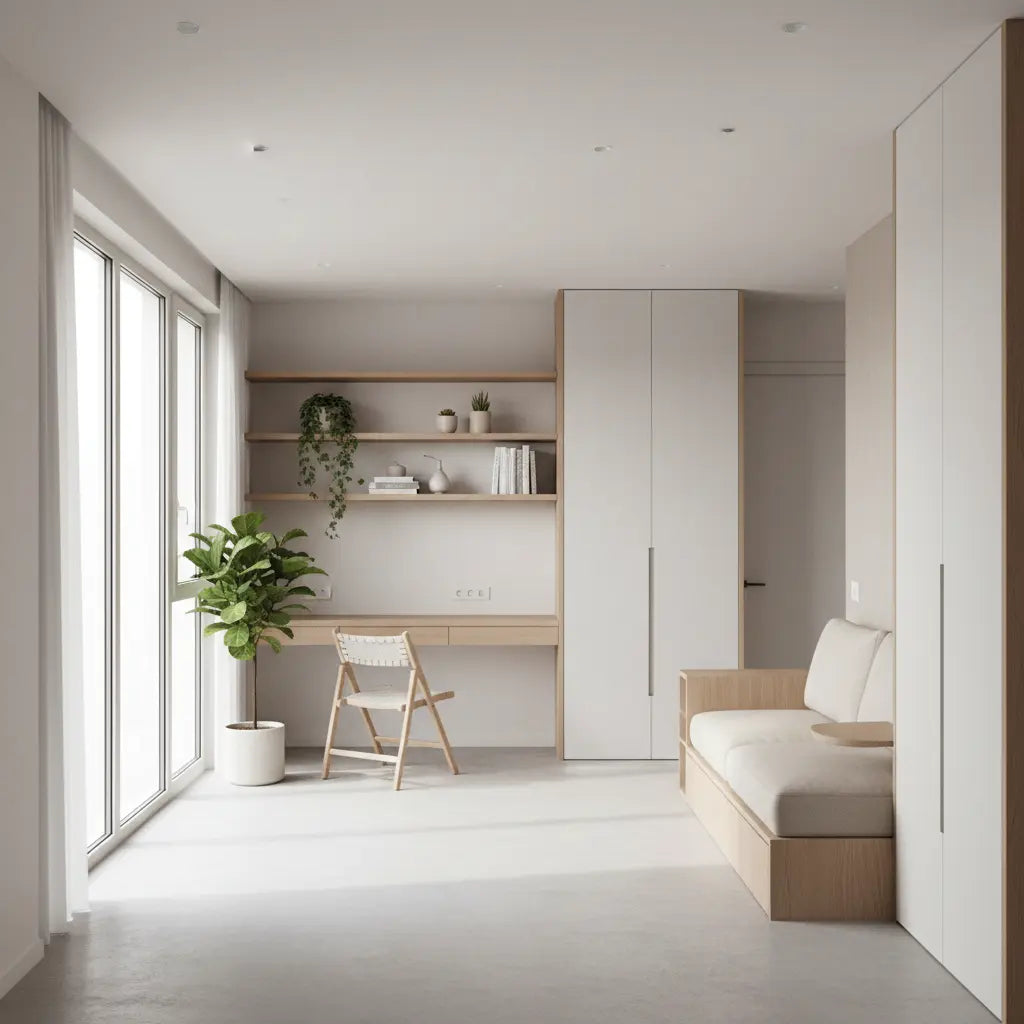
Vertical storage remains one of the most reliable approaches because it utilizes wall height instead of floor area. Tall shelving units, wall-mounted cabinets, and desks with integrated storage shelves keep floors clear and help define functional zones without the need for permanent walls.
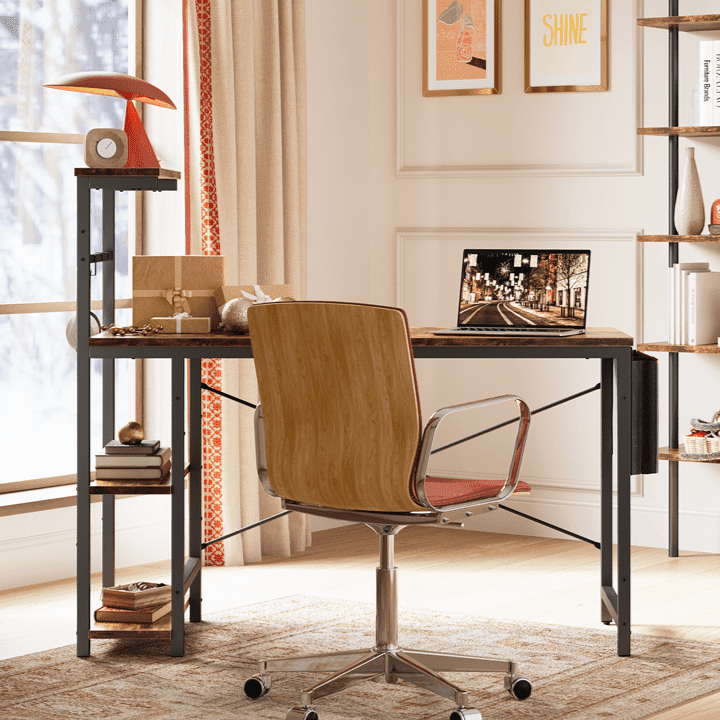
In narrow living rooms or studios, combining vertical elements with slim benches or corner desks can create distinct areas for work and relaxation. This zoning technique makes the space feel more organized and purposeful. For hybrid work setups, a compact desk with integrated shelves provides both a work surface and storage while maintaining an ergonomic foundation.
Creating a Cohesive Full-Room Solution
Rather than purchasing items piecemeal, aim for coordinated pieces that share materials, finishes, and scale. A reversible L-shaped desk with power outlets and storage shelves can anchor a bedroom office while doubling for occasional gaming or dining.
Look for collections that combine desks, shelving, and seating in matching styles. This creates visual harmony and avoids the "improvised" look that can make small apartments feel cluttered. A studio requiring one-room versatility benefits from modular systems, while a small bedroom office corner may thrive with a dedicated small corner desk with shelves that maximizes dead space.
Practical Buying Checklist for Micro-Apartments
Use this checklist to evaluate any potential purchase:
- Measure the placement spot in both closed and open configurations.
- Confirm at least 60 cm of clearance remains for walkways.
- Match storage capacity to your real belongings.
- Verify ergonomic suitability for daily work use.
- Check that mechanisms feel smooth and durable for frequent use.
- Ensure the style coordinates with existing pieces for a cohesive look.
- Avoid oversized items that dominate the room visually.
When to Choose Specific Furniture Types
For studio apartments that serve multiple roles daily, favor fold-away tables or sofa beds with simple mechanisms. Narrow rooms work best with vertical storage-led solutions and slim profiles that preserve circulation.
Daily remote workers should generally invest in stable compact desks rather than heavily convertible dining tables. Those without regular work needs can prioritize comfort-first multi-use seating and hidden storage. Explore small space furniture solutions that actually work for your apartment to see proven examples of corner desks and vertical systems.
Health and Comfort Considerations
While multi-functional furniture improves space efficiency, it does not replace a proper ergonomic setup. A compact work-from-home corner should still follow basic ergonomic rules for chair, desk, monitor, and keyboard positioning to reduce physical strain.
Note: This article discusses comfort and setup advice for informational purposes. It does not constitute medical advice, diagnosis, or treatment. If you experience persistent discomfort, consult a qualified professional.
Building Your Complete Micro-Apartment Setup
Start with a zone-based plan that protects circulation paths, then layer in vertical storage and targeted multi-functional pieces. Combining a versatile desk with storage shelves for work, vertical shelving for everyday items, and slim seating options that double as storage creates a balanced environment.
This coordinated approach typically delivers higher overall value than scattered individual purchases. By measuring carefully, matching furniture to your actual scenarios, and avoiding common myths, you can create a micro-apartment that feels spacious, organized, and tailored to modern living. When upgrading, prioritize quality mechanisms and neutral designs that will adapt as your needs evolve.
