
Summary
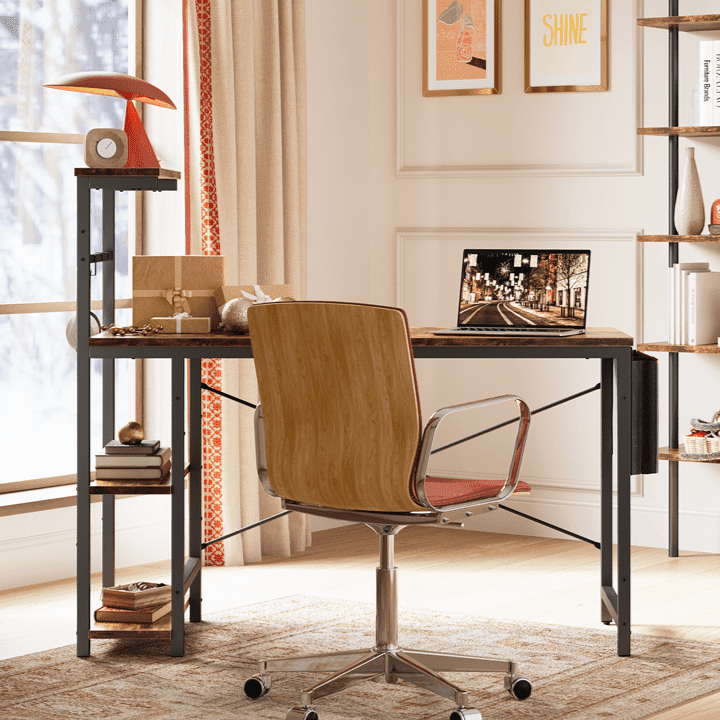
A small corner desk with shelves is the most effective furniture "hack" for studio apartments in 2026, as it utilizes often-wasted corner square footage to create a dedicated, multi-functional workstation without encroaching on living areas. By integrating vertical storage and ergonomic features like monitor risers, these compact units solve the "Small Space Crisis" by providing a clear psychological boundary between work and home life in a single-room environment.
Key takeaways
- Spatial Efficiency: Corner desks reclaim approximately 15-20% of unused floor space in standard studio layouts by fitting into 90-degree intersections.
- Vertical Optimization: Integrated shelving replaces the need for separate bookcases, keeping essentials within reach while maintaining a minimal footprint.
- Psychological Zoning: A dedicated corner setup helps the brain transition into "deep work" mode, which is critical for mental health in multi-functional living spaces.
- Future-Proofing: Modern 2026 designs include built-in charging stations and cable management to accommodate the growing density of smart devices.
- Safety First: Prioritizing CARB Phase 2 and EPA TSCA Title VI certified materials ensures healthy indoor air quality in confined urban apartments.

The 2026 Small Space Crisis: Why Every Square Inch Counts
As urban density continues to climb in 2026, the average studio apartment footprint has stabilized at a premium, making "spatial intelligence" a survival skill for the modern digital nomad. The challenge isn't just finding a place to put a laptop; it's about creating a high-performance environment that doesn't make your living room feel like a cubicle. Traditional rectangular desks often jut out into high-traffic paths or block natural light, creating a cluttered atmosphere that contributes to "small space fatigue."
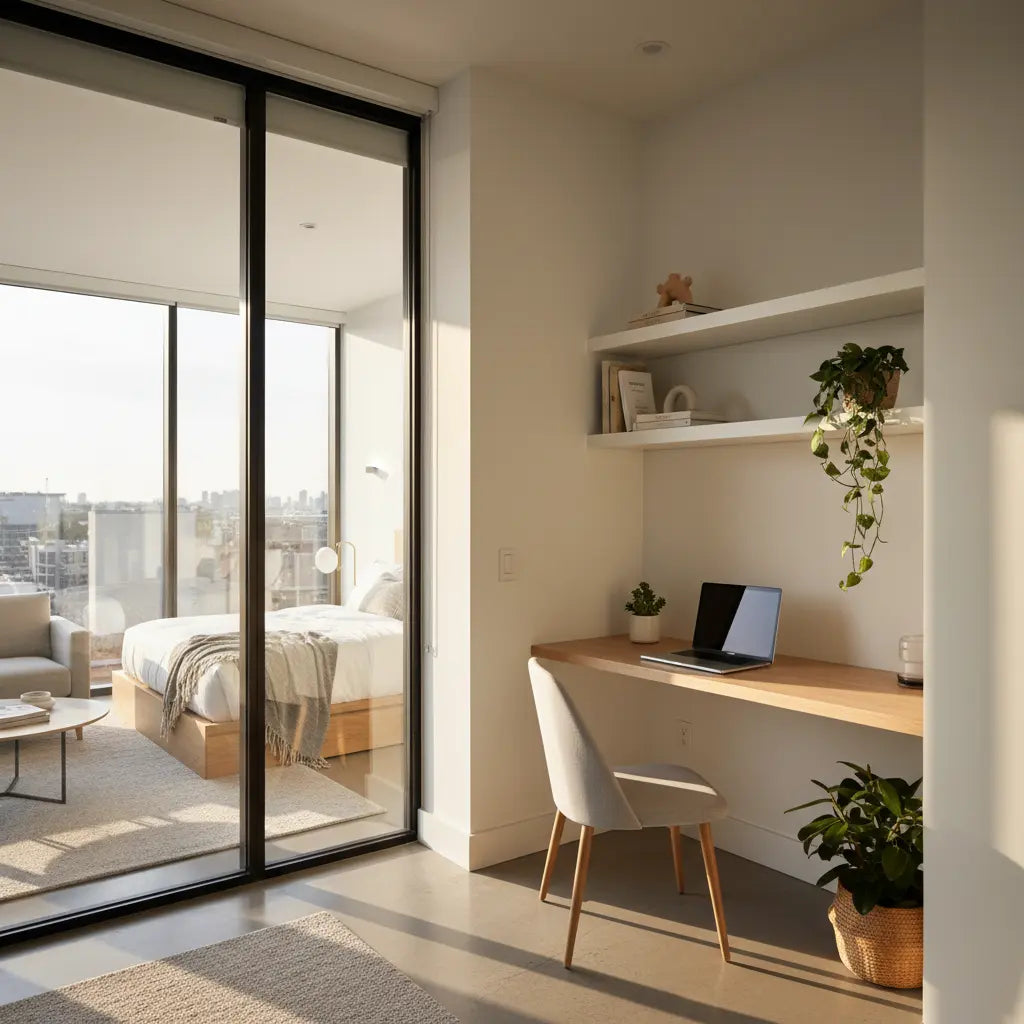
The shift toward permanent hybrid work models has transformed the studio apartment from a place to sleep into a 24/7 hub for productivity, wellness, and rest. This evolution requires small space furniture solutions with corner desks that respect the flow of the room. By tucking the workstation into a corner, you effectively "hide" the office when it’s not in use, preserving the openness of your primary living area.
Logic Summary: This recommendation assumes a standard studio layout where corners are typically underutilized. It applies to renters and owners seeking to maximize floor space while maintaining a professional work environment. It may not apply to apartments with unconventional curved walls or floor-to-ceiling corner windows.
Psychological Zoning: Creating Mental Boundaries in a One-Room Layout
One of the biggest hurdles of studio living is the lack of physical walls to separate different activities. When your bed is five feet from your monitor, the lines between "on the clock" and "off the clock" blur, leading to burnout and sleep disruption. In 2026, interior designers emphasize "psychological zoning"—the practice of using furniture orientation and sensory cues to signal different mental states.
A corner desk acts as a natural anchor for a "Work Zone." By facing the corner, you limit visual distractions from the rest of the apartment, creating a focused "cockpit" environment. When the workday ends, physically turning away from the corner helps your brain register the transition to relaxation. This is why maximizing neglected space with L-shaped desks is more than just a storage trick; it’s a mental health strategy for the modern urbanite.
To enhance this effect, consider adding a small area rug under the desk or using smart LED strips that change from cool white (productivity) to warm amber (relaxation) at sunset. These cues reinforce the boundary of your workstation, making even the smallest studio feel like a multi-room home.
Verticality Over Footprint: The Power of Integrated Shelving
In a small room, the floor is your most precious resource. Every square inch occupied by a furniture leg is an inch you can't use for movement. This is where the "shelves" part of the corner desk hack becomes revolutionary. Instead of buying a desk and a separate bookshelf, an integrated unit utilizes the vertical space above and below the desktop.

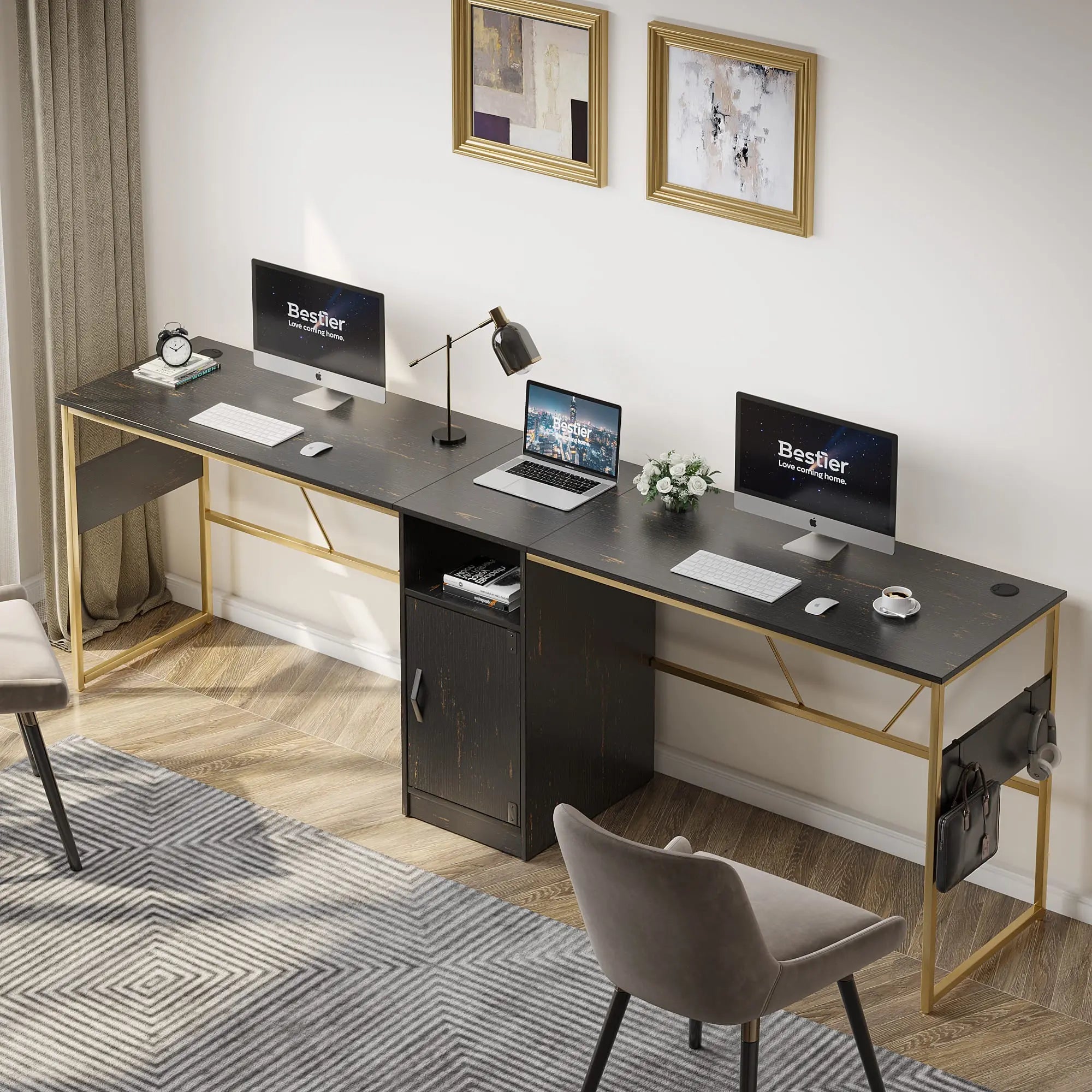
Integrated shelving allows you to store reference books, external hard drives, and even decorative plants without adding to the room's clutter. For those with high-performance setups, a 42-inch L-shaped desk with open storage cabinet provides a dedicated home for a PC tower or printer, keeping the desktop clear for actual work.
Furthermore, many 2026 models feature reversible shelving. This flexibility is crucial for renters who may move to a different apartment layout next year. Being able to switch the shelves from the left to the right side ensures your furniture remains an asset, not a liability, as your living situation evolves.
Smart Integration: Future-Proofing Your Studio Workstation
By 2026, the average professional manages at least five connected devices simultaneously—laptop, smartphone, tablet, smartwatch, and noise-canceling headphones. A desk that doesn't account for this "device density" quickly becomes a rat's nest of cables, which is visually suffocating in a small studio.
When you browse our L-shaped desk collection, look for units with built-in power strips and USB-C charging ports. These features eliminate the need for bulky extension cords snaking across your floor. Additionally, monitor risers are no longer just an ergonomic "nice-to-have"; they are essential for creating a secondary tier of storage. By lifting the screen to eye level, you free up the space directly underneath for your keyboard or a tablet, effectively doubling your usable surface area.
Space Optimization Checklist for 2026
| Feature | Benefit for Studio Dwellers | Recommended Priority |
|---|---|---|
| Monitor Riser | Improves posture and creates storage underneath. | High |
| Built-in Power | Reduces cable clutter and floor hazards. | High |
| Reversible Shelves | Adapts to different apartment corner layouts. | Medium |
| Headphone Hook | Keeps gear off the desktop surface. | Low |
| LED Lighting | Provides task lighting without taking up desk space. | Medium |
Material Safety and Sustainability: Beyond the Surface
In a confined studio apartment, indoor air quality is a significant concern. Because you eat, sleep, and work in the same air volume, the materials used in your furniture have a direct impact on your health. Many budget-friendly furniture options use engineered wood that can emit formaldehyde, a volatile organic compound (VOC).
To ensure a safe living environment, it is critical to understand engineered wood safety standards and certifications. Specifically, look for products that are CARB Phase 2 and EPA TSCA Title VI compliant. These regulations, as detailed in our comprehensive guide, limit formaldehyde off-gassing to levels that are considered safe for long-term indoor exposure. As consumers in 2026 become more health-conscious, verifying these certifications has become a standard part of the furniture-buying process.
Logic Summary: This safety guidance is based on current EPA and California Air Resources Board (CARB) regulations. It is especially relevant for studio apartments where ventilation may be limited compared to larger homes.
Step-by-Step: How to Fit a Desk in a Studio Apartment Layout
Fitting a desk into a studio isn't just about finding an empty corner; it's about maintaining the "flow" of your life. Follow this blueprint to ensure your new workstation enhances rather than hinders your space.
- Measure Twice, Buy Once: Before looking at styles, map out your available corner. Account for baseboards and any wall outlets that might be blocked. Knowing how to choose the right desk size for your space will prevent the frustration of a desk that's two inches too wide for your nook.
- Identify Your Primary Light Source: Ideally, place your desk perpendicular to a window. This provides natural light for video calls without creating a glare on your screen or putting you in a silhouette.
- Plan Your "Path of Travel": Ensure that when your desk chair is pulled out, there is still at least 24 inches of clearance for you to walk past. If space is extremely tight, consider a "ghost chair" (clear acrylic) to reduce visual weight.
- Utilize the "Golden Triangle": Position your desk so that your most-used items (laptop, notepad, coffee) are within a 30-degree arc of your seated position. The integrated shelves of a corner desk make this easy by keeping vertical storage within arm's reach.
FAQ
Can a corner desk fit in a very small studio apartment? Yes, corner desks are specifically designed to maximize efficiency in tight quarters by utilizing the 90-degree intersection of two walls, which is often wasted space. Many compact models have a footprint of less than 40 inches per side, making them ideal for even the most "micro" of studio layouts. By choosing a model with integrated shelving, you also eliminate the need for a separate bookshelf, further saving floor space.
Are corner desks difficult to assemble for one person? While larger L-shaped desks can be a challenge, most modern corner desks designed for small spaces are optimized for easy assembly. Manufacturers in 2026 typically provide labeled parts, clear visual instructions, and all necessary tools in the box. For a solo renter, it usually takes between 45 and 90 minutes to complete the setup, though having a second person to help align the desktop panels can speed up the process.
How do I manage cables on a desk that's stuck in a corner? Corner desks often come with built-in cable management grommets or "J-channels" that allow you to route wires behind the desk legs. Because the desk sits flush against two walls, you can also use adhesive cable clips to run wires along the underside of the desktop or down the wall behind the desk. This keeps your floor clear of "cable spaghetti," which is essential for maintaining a clean aesthetic in a one-room apartment.
Is engineered wood safe for a small, poorly ventilated studio? Yes, provided the furniture meets modern safety certifications. You should specifically look for labels indicating CARB Phase 2 or EPA TSCA Title VI compliance, which ensure that formaldehyde emissions are within strict safety limits. These standards are designed to protect indoor air quality, making the furniture safe for use in confined spaces like studio apartments where air turnover might be lower than in a full-sized house.
Can I use a corner desk for gaming and professional work? Absolutely. The L-shaped design of many corner desks is perfect for a "dual-zone" setup. You can place your professional laptop on one side and your gaming monitor on the other. This physical separation helps with the psychological transition between work and play, allowing you to "switch modes" simply by rotating your chair.
What is the best way to light a corner desk setup? Since corners can be naturally dark, a combination of lighting is best. Use a slim LED desk lamp with an adjustable arm for task lighting, and consider adding an LED light bar to the top of your monitor to reduce eye strain. If your desk has shelves, "puck lights" or LED strips under the shelves can provide beautiful ambient lighting that makes the corner feel like a high-end, custom-built workstation.
References
Government / Standards / Regulators
- EPA: Formaldehyde Emission Standards for Composite Wood Products (TSCA Title VI)
- California Air Resources Board (CARB): Airborne Toxic Control Measure (ATCM)
Platform official docs & policies
Industry associations / research institutes / market reports
- International Interior Design Association (IIDA): 2026 Workspace Trends Report (Intent only; not authoritative)
Academic / whitepapers / labs
- Environmental Health Perspectives: Impact of VOCs in Small Living Spaces
- Journal of Environmental Psychology: The Role of Zoning in Multi-functional Homes
Community
- Reddit r/StudioApartments: Best Corner Desk Hacks for Renters (Intent only; not authoritative)
