
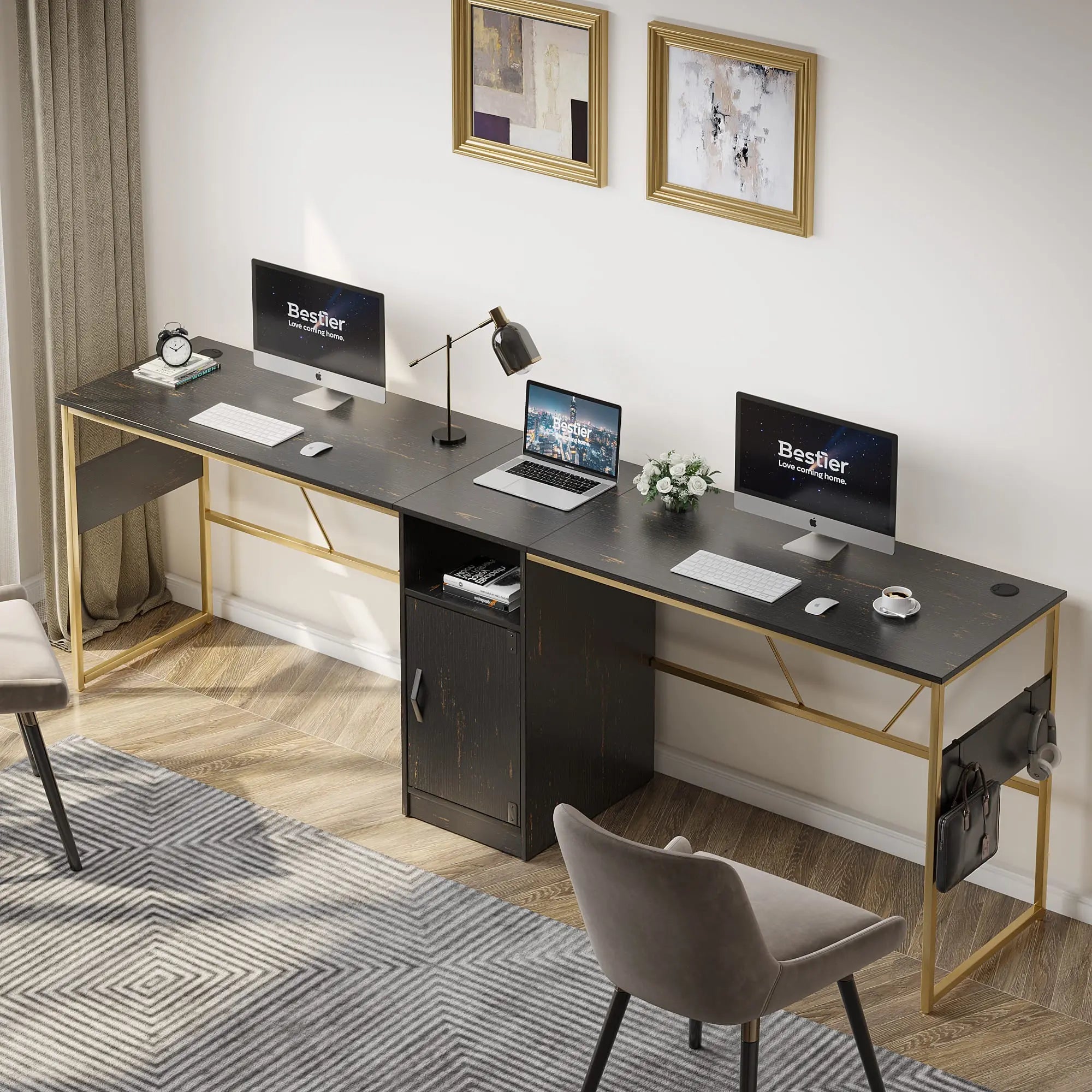
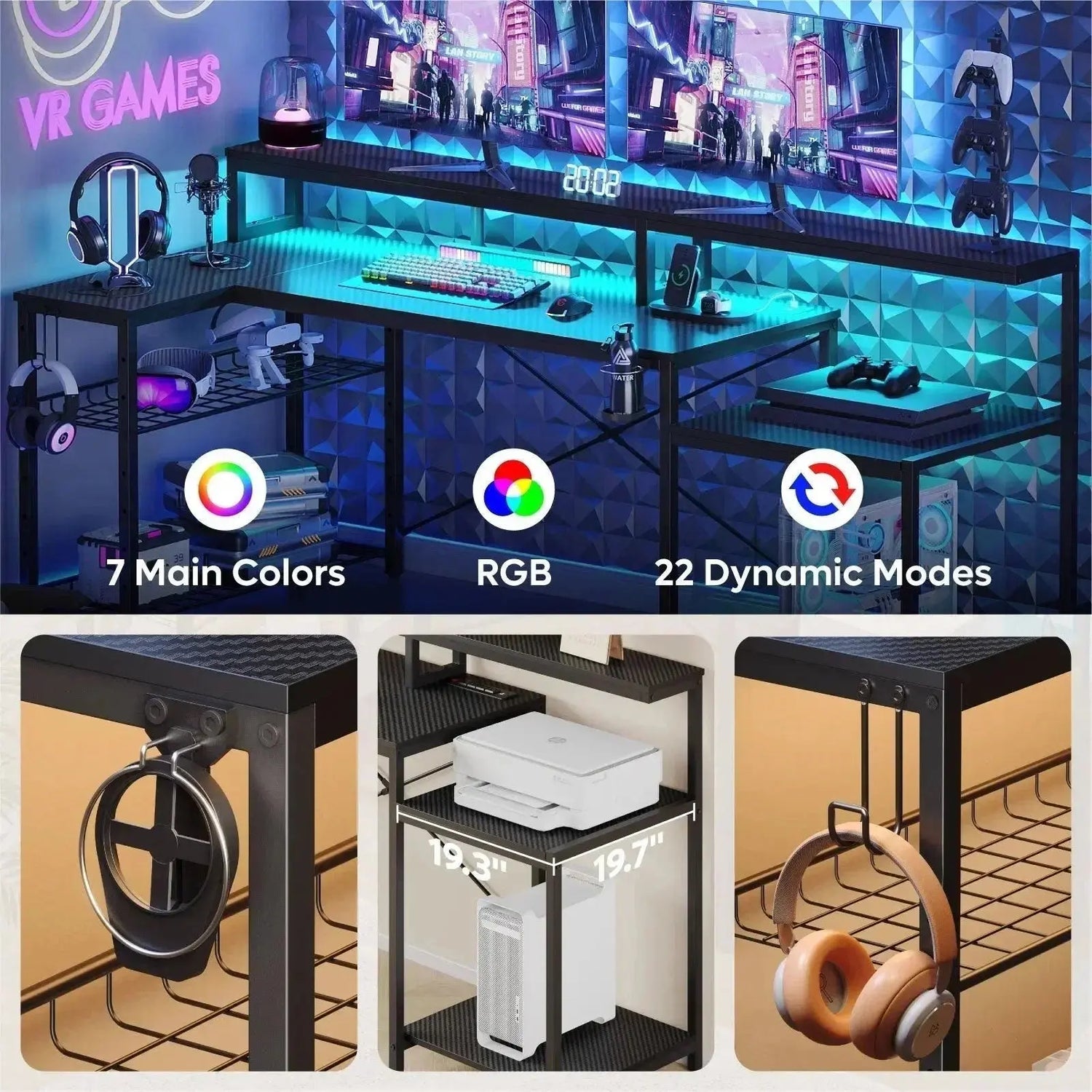
Living in a compact apartment doesn’t mean sacrificing style or functionality. The right furniture pieces can transform cramped quarters into efficient, comfortable spaces. Smart design choices make even the smallest rooms feel open and organized. Corner solutions have become essential for apartment dwellers who need every inch to count.
Why Small Corner Desks Are Game-Changers
Corners often go unused in small apartments. Unused space accumulates there while the rest of your room feels cluttered. A well-placed corner desk changes this dynamic completely.
These pieces fit snugly into areas that standard furniture can’t utilize. You gain a functional workspace without eating into your main floor space. The triangular or L-shaped design follows your room’s natural architecture. This creates flow instead of blocking it.
Many apartment dwellers overlook vertical space. Corner desks naturally draw your eye upward. You can add shelving above them without making the room feel crowded. This vertical integration doubles your storage capacity.
The Psychology Behind Corner Furniture
Corners feel protective in a subconscious way. When you work facing outward from a corner, you can see the entire room. This positioning reduces anxiety and improves focus.
The angular design also creates distinct zones. Your sleeping area stays separate from your workspace, even in a studio. This mental separation helps maintain work-life balance. Your brain recognizes different areas for different activities.
Space Efficiency That Makes Sense
Traditional rectangular desks waste corner space entirely. They leave awkward gaps that collect dust and clutter. Corner configurations eliminate these problematic areas.
The angled approach also shortens the distance between work items. Everything stays within easy reach. You can swivel between different tasks without standing up. This efficiency matters when your entire apartment fits in 500 square feet.

Choosing the Perfect Corner Desk for a Small Space
Not all corner desks work equally well in tight quarters. Some features matter more than others when space is limited.
First, consider the desk’s footprint. Measure both legs of the L-shape or triangle. Some models extend too far into the room. Others tuck neatly without dominating your floor plan.
Height matters too. Standard desk height is around 29-30 inches. Shorter people might prefer 27-28 inches. Taller individuals need 31-32 inches for comfortable typing. An adjustable option solves this problem permanently.
Measuring Your Space Like a Pro
Grab a tape measure before you start shopping. Write down three critical dimensions: wall length on both sides, distance from the corner to any obstacles, and ceiling height if you plan to add shelves.
Create a paper template of your ideal desk size. Tape it to the floor in the corner. Live with this outline for a few days. You’ll quickly discover if it interferes with doors, windows, or traffic flow.
Don’t forget about chair clearance. Pull out a chair fully from the desk position. You need at least 24-30 inches of space behind the desk for comfortable seating. Add another 12 inches if people need to walk behind you while you work.
Material Matters for Compact Living
Heavy, solid wood desks can overwhelm small spaces visually. Lighter materials create an airier feeling. Glass tops let light pass through. Metal frames with slim profiles disappear into the background.
Laminate and engineered wood offer good compromises. They provide durability without excessive weight. Many come in light finishes that reflect rather than absorb light.
Avoid bulky ornamental details. Clean lines and simple designs photograph better in small spaces. They also adapt more easily when you rearrange or move.
Weight and Portability Considerations
Apartment living often means moving every few years. A corner desk for a small space should break down into manageable pieces. Check if the desk fits through standard doorways when disassembled.
Lighter desks move more easily between rooms. You might want to reconfigure your space seasonally. Heavy furniture discourages this flexibility. Aim for pieces you can relocate without hiring movers.
Small L-Shaped Desk with Storage Magic
The L-shape provides maximum surface area with minimal footprint. One leg can hold your computer and main work items. The other becomes a staging area for projects or paperwork.
Storage integration transforms these desks from good to essential. Built-in options keep everything within arm’s reach. You won’t need additional bookcases or filing cabinets to crowd your room.
Look for models with storage on both legs of the L. This balanced distribution prevents the desk from feeling lopsided. It also gives you options for organizing different types of items.
Hidden Storage Solutions You’ll Love
Pull-out keyboard trays free up the desk surface. They tuck away when not in use. This simple feature can reclaim 15-20% of your workspace.
Cable management systems hide the visual clutter of cords and chargers. Grommet holes route cables through the desktop. Under-desk trays or clips keep them organized and out of sight.
Some small L-shaped desks with storage models include lift-top compartments. The desktop section hinges up to reveal a storage well. This works perfectly for supplies you need occasionally but not daily.
Maximizing Dual Surface Areas
The two-sided nature of L-desks creates natural zones. Keep your primary monitor and keyboard on the main leg. Use the secondary surface for paperwork, tablets, or creative projects.
This separation prevents the mixing of different work types. Your focused computer work stays clean. Messy brainstorming or crafting happens on the other side. Your productivity improves when each area has a clear purpose.

Small Corner Desk with Storage Features
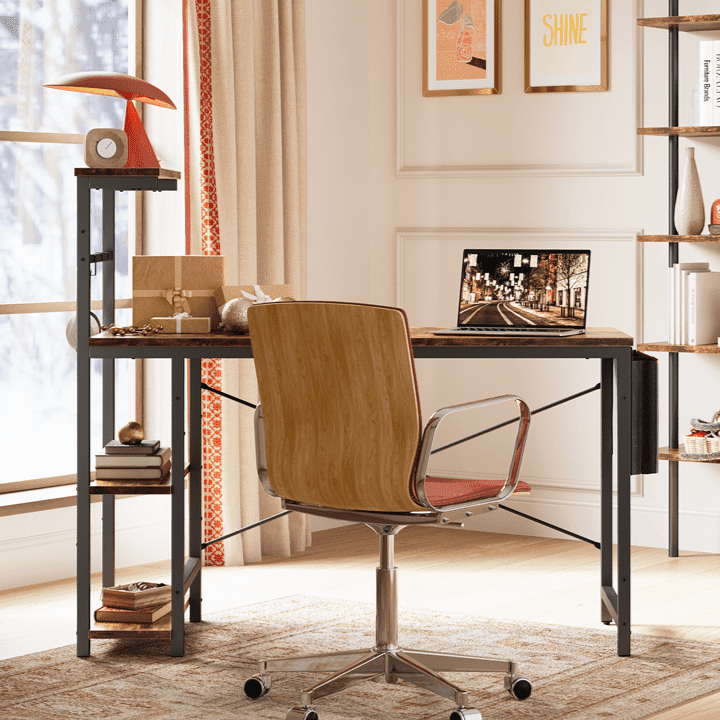
Dedicated storage features separate functional desks from basic tables. Drawers, shelves, and cubbies keep your workspace clear and your mind focused.
Side drawers work well for frequently accessed items. Top drawers should glide smoothly even when full. Cheap drawer mechanisms stick and frustrate. Test them in the store if possible.
Open shelving adds storage without closing off the space. You can see everything at a glance. This visibility helps you stay organized. It also makes small spaces feel less confined than closed cabinets would.
Drawer Configurations That Actually Work
A single wide drawer beats two narrow ones in most cases. Wide drawers accommodate hanging files, large notebooks, and odd-sized items. Narrow drawers force you to stack things, which creates a mess.
Shallow drawers suit pens, paper clips, and small office supplies. Deep drawers handle books, electronics, and bulkier items. The ideal small corner desk with storage includes one of each type.
Consider soft-close mechanisms. They prevent slamming and protect both the desk and your belongings. This feature costs a bit more upfront but extends the furniture’s lifespan significantly.
Shelf Placement Strategies
Lower shelves work best for heavy items like printers or paper reams. Upper shelves hold lighter objects like books or decorative pieces. This distribution keeps the desk stable and prevents tipping.
Adjustable shelving adapts to your changing needs. You might need space for tall binders now and short supply boxes later. Fixed shelves lock you into one configuration forever.
Styling Your Corner Workspace
Functionality comes first in small spaces, but aesthetics matter too. A well-styled desk area boosts your mood and productivity.
Keep decorative items minimal and purposeful. One plant, one lamp, and one personal object are enough. Too many accessories create visual noise that defeats the purpose of your organized setup.
Vertical decorating works better than horizontal spreading. A tall plant in the corner draws the eye upward. This makes ceilings seem higher, and rooms feel larger.
Color Psychology for Tiny Offices
Light colors reflect more light and expand perceived space. White, cream, and pale gray are classic choices. They also provide a neutral backdrop for pops of color in accessories.
Cool tones like soft blues and greens create calm. They work well if your desk doubles as a meditation or relaxation spot. Warm tones like gentle yellows energize without overwhelming.
Dark colors can work in small spaces if used strategically. A dark desktop with light legs creates visual interest. It also hides coffee stains and ink marks better than pale surfaces.
Lighting Your Corner Properly
Corners tend to be darker than the room centers. Add a dedicated desk lamp with adjustable brightness. LED options provide good light without heat buildup.
Position the lamp opposite your dominant hand to prevent shadows while writing. Warm white bulbs reduce eye strain during evening work. Cool white enhances focus during daytime hours.
Multi-Functional Furniture Combinations
Corner desks pair beautifully with other space-saving pieces. A desk that shares a wall with a fold-down Murphy bed creates a complete work-sleep zone in one corner.
Rolling storage carts tuck under desk overhangs when not in use. Pull them out for extra surface area during big projects. This flexibility adapts to your changing needs.
Wall-mounted shelves above your desk eliminate the need for a separate bookcase. Floating shelves maintain an open feeling. They provide storage without consuming floor space.
Coordinating With Existing Furniture
Match your desk finish to other furniture pieces for visual continuity. This cohesive look makes small spaces feel intentional rather than cramped. Mismatched finishes can create visual chaos.
Consider the sight lines from your bed or couch. You’ll see your desk area often. Make sure it looks tidy and appealing from these vantage points. This encourages you to keep it organized.
Creating Room Dividers
A taller corner desk with hutch storage can section off areas in a studio apartment. The vertical structure creates a subtle barrier between living and working zones. You gain privacy without building walls.
Add a curtain rod above the desk for additional separation. Pull the curtain during work hours for focus. Open it afterward to maintain the space’s flow.
Real Apartment Transformations
A 300-square-foot studio gained a functional office by installing a corner desk between the kitchen and sleeping area. The resident added a tension rod curtain for privacy during video calls. The total cost was minimal compared to renting a larger apartment.
One-bedroom apartment dwellers often convert a corner of their bedroom into a workspace. A compact L-shaped desk with built-in storage replaced a bulky dresser. Clothes moved to under-bed storage containers. The room gained a dedicated office area without losing storage capacity.
Even tiny alcoves can accommodate corner solutions. One tenant transformed an awkward nook near the entrance into a command center. A small triangular desk holds keys, mail, and a laptop charging station. Wall hooks above add vertical organization for bags and coats.
Before and After Impact
These transformations share common themes. They reclaim unused corners. They combine multiple functions in a single furniture piece. They prioritize vertical storage over horizontal sprawl.
The residents report feeling more organized and productive. Their apartments feel larger despite adding furniture. The key lies in choosing pieces that work with the space rather than against it.
Make Your Small Space Work Better
Small apartments challenge us to think creatively about furniture. Corner desks prove that constraints can inspire better solutions. These pieces work with your space instead of fighting against it.
Start by measuring your corners and identifying unused areas. Compare different configurations and storage options. Choose quality over quantity. These smart decisions will enhance your daily living experience.
FAQs
Q1: What is the Ideal Size for a Corner Desk for a small space?
Most small apartments accommodate corner desks between 42 and 48 inches on each leg. Measure your specific corner first. Leave at least 24 inches behind the desk for chair movement. Compact triangular models can work in corners as small as 36 inches per side.
Q2: Can I Assemble a Small L-shaped Desk with Storage by Myself?
Most models require basic assembly with included hardware and instructions. The process typically takes 1-2 hours with common household tools. Having a second person helps stabilize larger pieces during assembly. Pre-drilling screw holes makes the job easier.
Q3: How Much Weight Can a Typical Small Corner Desk With Storage Hold?
Desktop weight capacity typically ranges from 100 to 250 pounds, depending on materials and construction. Metal frames generally support more weight than particle board, often handling 250-400 pounds or more. Check manufacturer specifications before placing heavy equipment. Distribute weight evenly across the surface for optimal stability.
Q4: Do Corner Desks Make Rooms Look Smaller or Larger?
Properly sized corner desks actually make rooms feel larger by utilizing empty space efficiently. They free up wall space for other furniture or leave it open. Avoid oversized models that extend too far into the room. Light-colored finishes enhance the space-expanding effect.
Q5: What Storage Features Matter Most in Compact Corner Desks?
Drawers for concealed storage top the priority list for most users. Cable management systems reduce visual clutter significantly. Open shelving provides easy access to frequently used items. Choose features that match your specific storage needs rather than generic configurations.
