
Summary

An effective ADHD-friendly desk setup prioritizes "environment as treatment" by externalizing executive functions through visual organization, sensory regulation, and functional zoning. By leveraging tools like integrated LED lighting for time-blocking and open storage to maintain object permanence, neurodivergent professionals can create a "frictionless" workspace that minimizes cognitive load and supports sustained focus.
Key takeaways
- Prioritize Visual Cues: Use open shelving and clear containers to combat "out of sight, out of mind" tendencies (object permanence).
- Implement Functional Zoning: Utilize L-shaped desks to physically separate high-focus deep work from administrative or "transition" tasks.
- Leverage Sensory Lighting: Use integrated LED strips not just for aesthetics, but as visual anchors for time-blocking and signaling task transitions.
- Reduce Visual Noise: Aggressive cable management and minimalist surfaces prevent the sensory overwhelm that often triggers task paralysis.
- Scaffold Executive Function: Externalize your "next steps" using visual workflow maps and physical task-initiation cues directly on your desk surface.
Designing a Workspace That Supports Executive Function
For many neurodivergent adults, the traditional advice of "just keep it clean" is often ineffective because it ignores the underlying neurological mechanics of ADHD. Instead of fighting against your brain's natural tendencies, a successful ADHD desk setup acts as a physical scaffold for executive functions like working memory and task initiation. This approach, often referred to as "environment as treatment," shifts the burden of organization from your internal willpower to your external surroundings. By designing a workspace that anticipates your specific challenges—such as time blindness or object permanence issues—you can significantly reduce the friction required to start and stay on task.
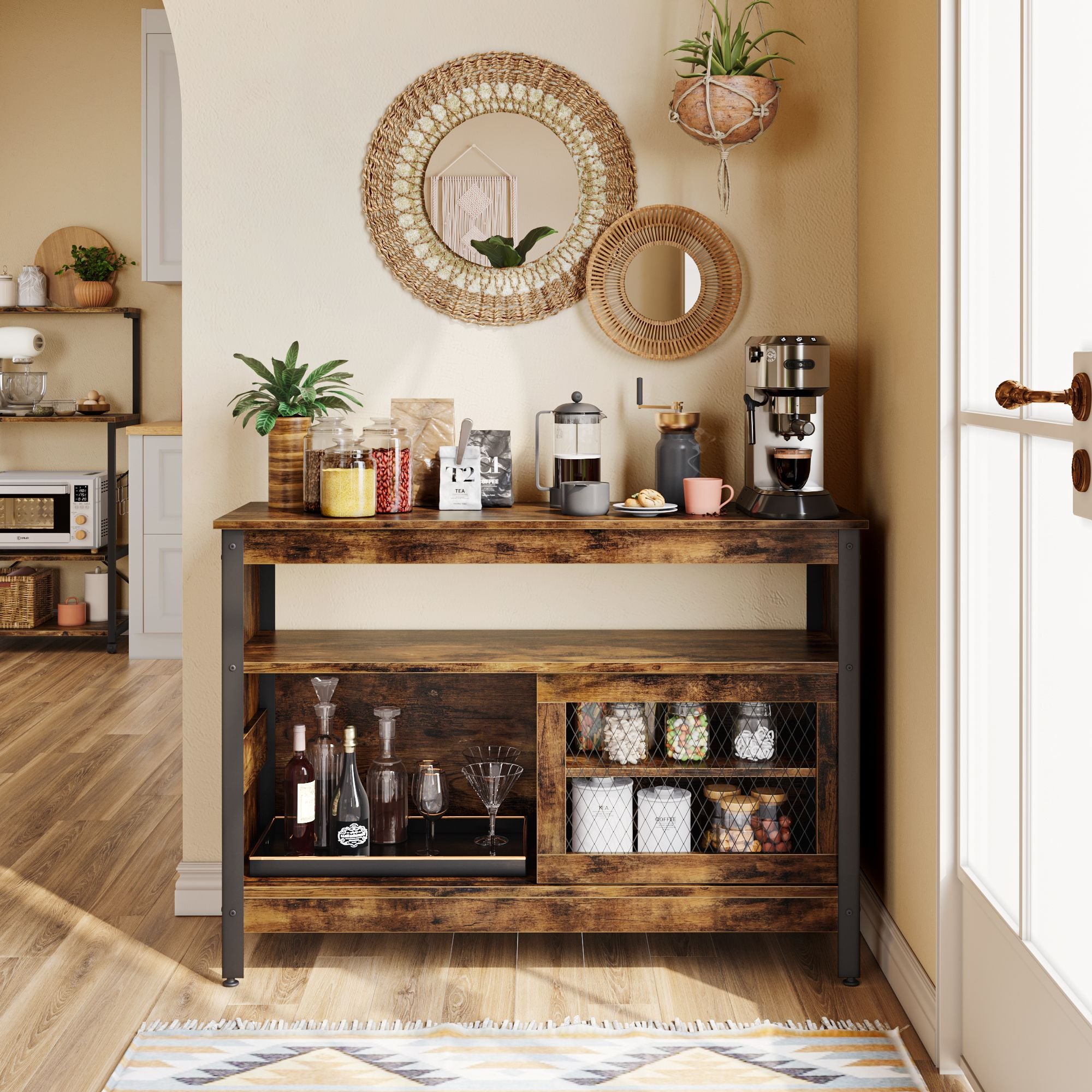
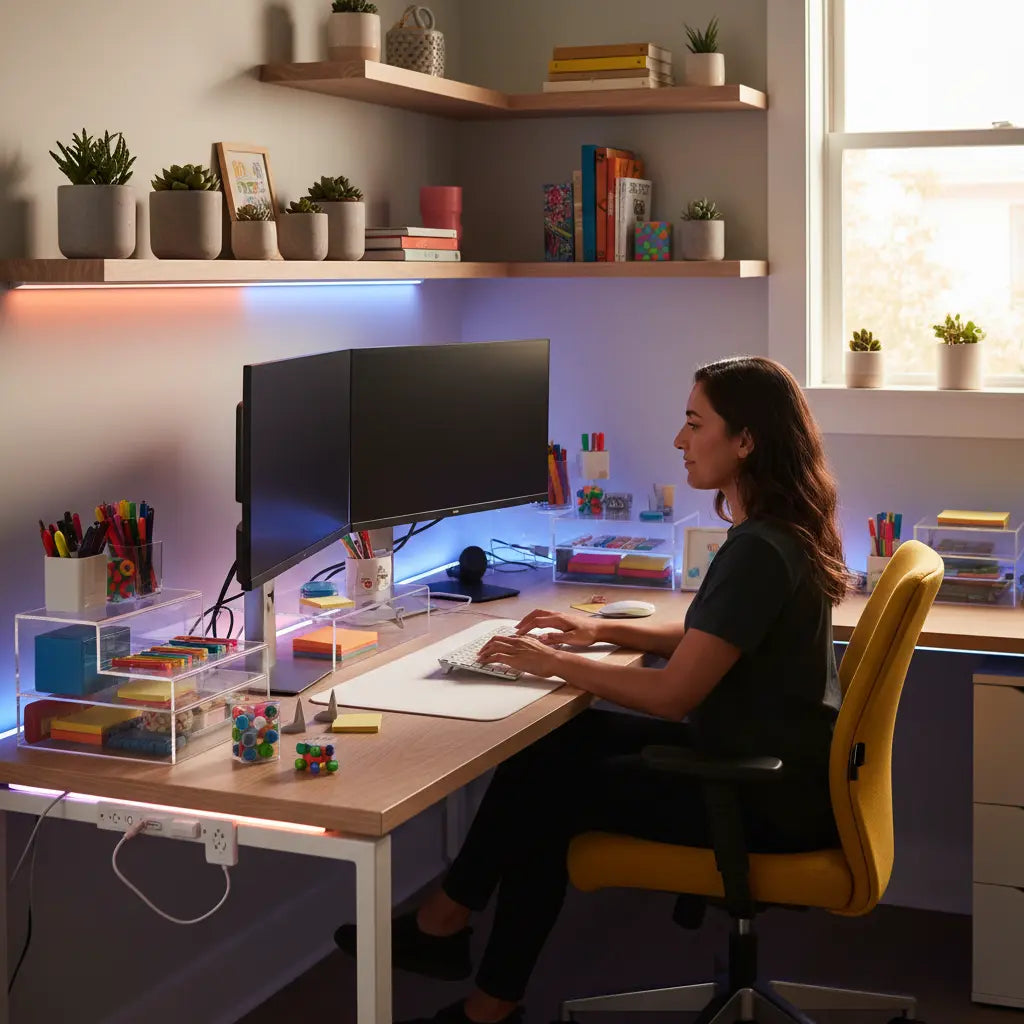
One of the most critical elements in this design philosophy is the concept of "visual organization." Traditional minimalist setups that hide everything in drawers can be counterproductive for ADHD brains, leading to the "out of sight, out of mind" trap. When essential tools are hidden, the brain may lose track of their existence, increasing the cognitive load required to retrieve them. A more effective strategy involves keeping high-frequency items visible but structured. This might include using clear acrylic bins or open shelving units that allow you to see exactly what you have without creating a sense of visual chaos.
Logic Summary: The "environment as treatment" framework assumes that physical surroundings can compensate for executive function deficits. This is recommended for individuals who struggle with task initiation and working memory, though it may require a higher initial investment in specialized furniture and organization tools.
Managing "Doom Piles" and Object Permanence
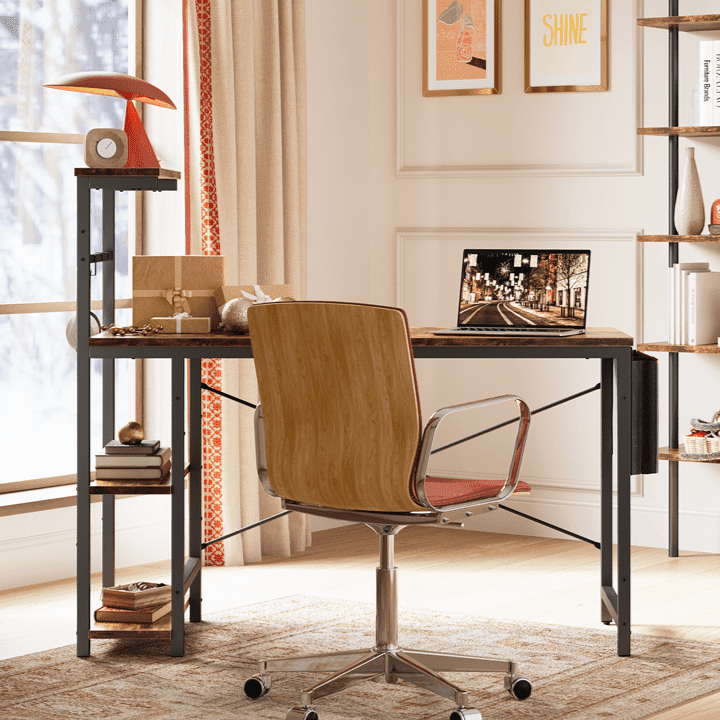
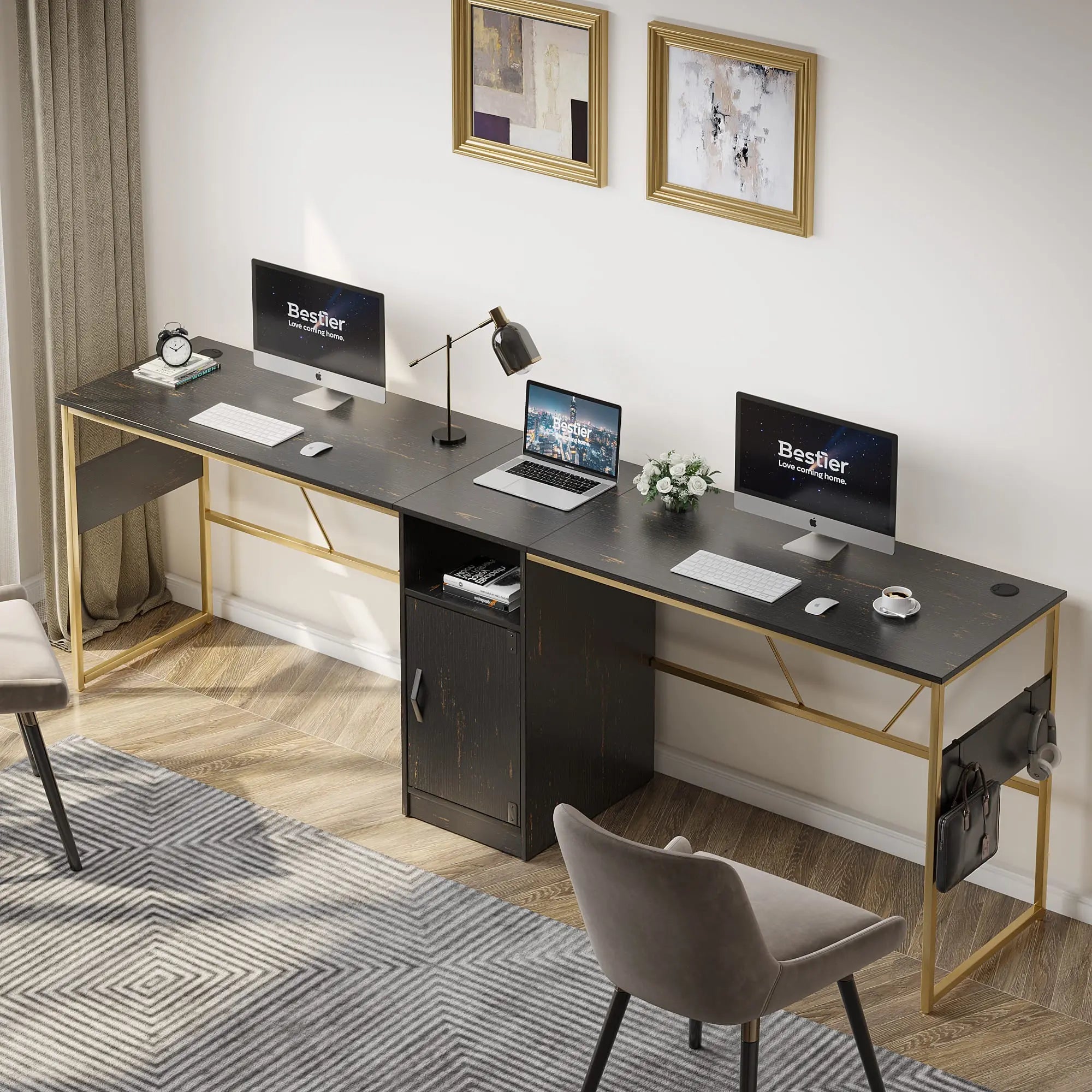
The phenomenon of the "doom pile" (Didn't Organize, Only Moved) is a common struggle in neurodivergent households. These piles often accumulate because the user doesn't have a clear, low-friction place for an item, or because they fear that putting it away means they will forget it exists. To manage this, your desk setup should include designated "visual holding areas." Instead of a single "junk drawer," consider a tiered system of open trays or a Bestier L-shaped desk with file drawers that provides a dedicated spot for active projects while keeping them within your visual field.
Another effective technique is to use "object permanence anchors." These are specific, permanent locations for essential items like keys, phones, or specific project folders. By consistently placing these items in the same visible spot, you reduce the "search and find" friction that often leads to distraction. If you are building a custom setup, look for desks with integrated storage that allows for both hidden and open compartments, balancing the need for a clean surface with the necessity of visual reminders.
Functional Zoning with L-Shaped and Standing Desks
Zoning is a powerful psychological tool for managing the transition between different types of work. An L-shaped desk is particularly effective for this because it provides two distinct surfaces within reach. You can designate one side for "deep work"—where your computer and primary monitor live—and the other side for "administrative tasks" or "creative brainstorming." This physical separation helps signal to your brain which "mode" it should be in, reducing the cognitive cost of task switching. For those looking to optimize their layout, exploring the 5 best L-shaped desks for a home office can provide inspiration for creating these functional zones.
Incorporating movement is another essential component of a sensory-friendly workspace. Many ADHD adults find that "fidgeting" or changing positions actually helps them maintain focus. An adjustable standing desk allows you to alternate between sitting and standing throughout the day, providing the proprioceptive input your body needs to stay alert. This movement-friendly approach is backed by research suggesting that physical activity can help regulate dopamine levels, which are often lower in ADHD brains. For a deeper dive into how movement impacts productivity, consider the health benefits and setup tips for standing desks.

Sensory Integration and Functional Lighting Protocols
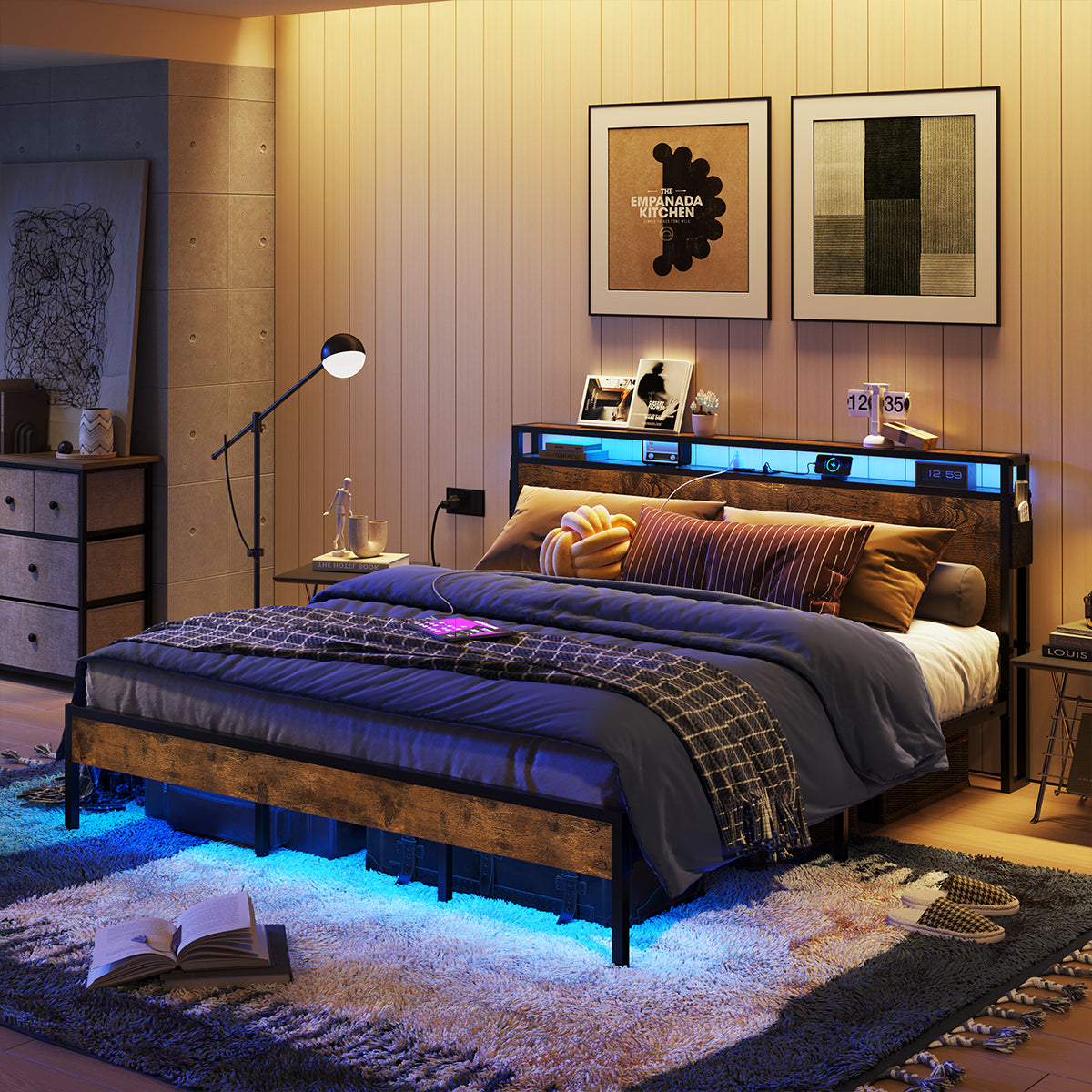
Lighting is often overlooked in workspace design, yet it plays a massive role in regulating focus and mood. For the neurodivergent user, "dopamine decor"—the use of vibrant colors and personalized lighting—can be more than just an aesthetic choice; it can be a functional tool. Integrated LED lighting, a signature feature of many Bestier setups, can be used for "transition signaling." For example, you might set your desk lights to a cool blue during high-focus morning work and transition to a warmer amber in the late afternoon to signal the wind-down period.
Furthermore, LED lighting can act as a physical manifestation of your time-blocking. By changing the color of your desk lights when you start a specific task, you create a visual anchor that helps combat time blindness. This external cue reminds you of what you should be focusing on every time you glance at your workspace. When choosing materials for your setup, it is also important to consider the safety of your indoor environment. Many high-quality desks use engineered wood, and understanding the safety standards behind these materials is crucial. For instance, you can read more about Engineered Wood Safety and CARB/TSCA standards to ensure your workspace supports your health as much as your productivity.
Reducing Visual Noise and Sensory Overwhelm
Visual noise—the presence of unnecessary or distracting visual stimuli—is a primary trigger for sensory overwhelm and task paralysis in ADHD. Tangled wires and cluttered surfaces are not just "messy"; they are cognitive drains. Implementing aggressive pro cable management tricks is one of the fastest ways to lower the "background hum" of your environment. By hiding power strips and routing cables through integrated desk grommets, you create a cleaner visual field that allows your brain to focus on the task at hand.
Beyond cables, consider the tactile experience of your workspace. Smooth surfaces, comfortable wrist rests, and even the texture of your desk mat can impact your ability to stay seated and focused. The goal is to create a "frictionless" environment where nothing irritates your senses or pulls your attention away from your work. This level of intentionality in design is what separates a standard office from a truly ADHD-friendly sanctuary.
ADHD Desk Audit Checklist
Use this checklist to evaluate your current setup and identify areas for improvement.
| Feature | ADHD-Friendly Goal | Current Status |
|---|---|---|
| Object Permanence | Essential tools are visible (clear bins/open shelves). | [ ] |
| Visual Noise | Cables are hidden; surfaces are 80% clear. | [ ] |
| Zoning | Separate areas for "Deep Work" vs. "Admin". | [ ] |
| Sensory Lighting | Integrated LEDs used for task transitions. | [ ] |
| Movement | Ability to sit, stand, or fidget while working. | [ ] |
| Executive Scaffolding | Visual "Next Step" cues are present. | [ ] |
FAQ
What is the best desk for ADHD adults? The best desk for ADHD adults is typically one that offers a balance of open and closed storage, such as an L-shaped desk or a standing desk with integrated organizers. L-shaped desks are particularly beneficial because they allow for "functional zoning," providing separate surfaces for different types of tasks, which helps manage task-switching difficulties. Standing desks are also highly recommended as they allow for movement, which can help regulate focus and dopamine levels throughout the workday.
How can I organize my desk to improve focus with ADHD? To improve focus, prioritize "visual organization" by using clear containers and open shelving to keep essential items within your line of sight, preventing the "out of sight, out of mind" trap. Reduce visual noise by implementing strict cable management and keeping your primary work surface clear of non-essential items. Additionally, use visual cues like color-coded folders or integrated LED lighting to signal different work modes or time blocks.
Does a minimalist desk setup help with ADHD? While a minimalist setup can reduce distractions, "extreme" minimalism can actually be counterproductive for ADHD if it hides necessary tools and reminders. The key is "functional minimalism"—keeping the main work surface clear while ensuring that executive function supports, like planners and project materials, remain visible and accessible. A sterile environment may increase the cognitive load required to remember where things are stored.
How do LED lights help with ADHD productivity? LED lights can be used as "transition signals" to help manage time blindness and task switching. By assigning specific colors to different work phases (e.g., blue for deep focus, orange for administrative tasks), you create a visual anchor that reminds your brain of its current objective. This external cue helps maintain focus and provides a "dopamine boost" through aesthetic personalization, making the workspace more engaging.
What are "doom piles" and how do I stop them on my desk? "Doom piles" (Didn't Organize, Only Moved) are stacks of items that accumulate because there isn't a low-friction "home" for them. To stop them, create designated "visual holding areas" like open trays or baskets for active paperwork. Instead of trying to hide everything, give these piles a structured, visible place where they can be processed during a weekly "reset" ritual, ensuring they don't grow into overwhelming clutter.
How does cable management affect ADHD focus? Tangled cables create "visual noise" that can be highly distracting for individuals with sensory processing sensitivities common in ADHD. A cluttered visual field increases the brain's "background processing" load, making it harder to achieve a flow state. Using cable trays, clips, and integrated desk grommets to hide wires creates a calmer, more professional environment that reduces the risk of sensory overwhelm.
References
Government / Standards / Regulators
- U.S. Environmental Protection Agency (EPA). (2026). Understanding TSCA Title VI: Formaldehyde Standards for Composite Wood Products. EPA.gov
- California Air Resources Board (CARB). (2026). Airborne Toxic Control Measure (ATCM) to Reduce Formaldehyde Emissions. ww2.arb.ca.gov
Industry Associations / Research Institutes
- Attention Deficit Disorder Association (ADDA). (2026). Workplace Accommodations for Adults with ADHD. add.org
- CHADD (Children and Adults with Attention-Deficit/Hyperactivity Disorder). (2026). Creating a Productive Home Office. chadd.org
Academic / Whitepapers / Labs
- Bestier Research Lab. (2026). Engineered Wood Safety: A Comprehensive Guide to CARB & TSCA Standards. bestier.net
- Journal of Environmental Psychology. (2025). The Impact of Workspace Lighting on Cognitive Load in Neurodivergent Populations.
Community (Intent only; not authoritative)
- r/ADHD. (2026). Desk Setup Megathread: What actually works for focus? reddit.com
- The "Dopamine Decor" Movement. (2026). Functional Aesthetics for the Neurodivergent Home. [independent-blog-example.com]
