


Summary
Using a bakers rack as an apartment pantry alternative provides a high-capacity, vertical storage solution that overcomes the limitations of small, pantry-less kitchens. By leveraging multi-tiered shelving and high weight-bearing frames, apartment dwellers can efficiently organize bulk food items while maintaining a stylish, accessible kitchen environment.
Editor’s Note: This guide is based on furniture safety standards and interior organization best practices. While we feature Bestier storage solutions as examples, the safety principles regarding weight distribution and material standards apply to all high-quality kitchen furniture.

Key Takeaways
- Vertical Efficiency: Bakers racks utilize vertical wall space, allowing for significant bulk storage without increasing the kitchen's footprint.
- Weight Management: Understanding shelf-specific weight capacities is critical when storing heavy bulk items like grains, flour, and canned goods.
- Food Safety: Open shelving requires specific strategies for pest prevention, light protection, and temperature regulation to maintain food quality.
- Versatility: Modern racks often include power outlets and LED lighting, facilitating both storage and small appliance integration.
- Material Safety: Choosing furniture that meets CARB and TSCA standards ensures better indoor air quality, especially in confined apartment spaces.
How to Transform a Bakers Rack into a High-Capacity Pantry
For many apartment dwellers, the "small space crisis" is most acutely felt in the kitchen. Without a dedicated walk-in or reach-in pantry, storing bulk purchases—essential for both budgeting and sustainability—becomes a logistical nightmare. A bakers rack serves as a premier solution, offering a blend of open accessibility and structural integrity. Unlike flimsy plastic shelving, a high-quality bakers rack provides the stability needed for heavy glass jars and bulk bags.
When transitioning to this setup, the goal is to treat the rack not just as a shelf, but as a modular command center. By categorizing items by frequency of use and weight, you can create a flow that rivals professional kitchens. This approach is part of a broader trend toward multi-functional furniture solutions for apartments that prioritize utility without sacrificing aesthetics.
Understanding Weight Limits: Can Your Rack Handle 50lbs of Rice?
One of the most overlooked aspects of using a bakers rack for bulk food is the weight capacity. Bulk items are deceptively heavy; a single 25-pound bag of flour combined with several gallons of oil and a collection of canned goods can quickly exceed the limits of standard decorative shelving.
Verifiable Specification Example
To ensure safety, always refer to the manufacturer's load rating. For example, a standard BIFMA-compliant heavy-duty bakers rack typically features the following distribution:
- Main Countertop Shelf: 80–100 lbs (Designed for microwaves or heavy bulk bins).
- Upper Shelves: 20–35 lbs per shelf (Designed for lighter dry goods).
- Lower Storage Shelves: 40–50 lbs (Ideal for heavy grains).
Generally, lower shelves are designed to handle more weight, making them ideal for "anchor items" like bulk grains, potatoes, or small appliances. When selecting your furniture, it is also important to learn about furniture safety standards to ensure the materials used are both durable and safe for indoor environments. For instance, understanding CARB Phase 2 and EPA TSCA Title VI standards helps you identify products that limit formaldehyde off-gassing, a crucial factor when furniture is placed near food storage areas.
Estimated Weight of Common Bulk Pantry Items
The following table provides a heuristic (rule-of-thumb) for planning your shelf distribution. These estimates assume standard US grocery packaging.
| Item Type | Standard Bulk Size | Estimated Weight (lbs) | Recommended Shelf Placement |
|---|---|---|---|
| Rice / Grains | 25 lb Bag | 25-26 lbs | Bottom / Lower |
| All-Purpose Flour | 10 lb Bag | 10.5 lbs | Middle / Lower |
| Canned Goods | Case of 12 (15oz) | 13-15 lbs | Middle |
| Cooking Oil | 3-Liter Bottle | 6-7 lbs | Middle |
| Pasta / Dry Goods | 5 lb Box | 5.5 lbs | Upper / Middle |
| Spices / Herbs | Large Jars | < 1 lb | Top |
Safety Rule of Thumb: To maintain a low center of gravity and prevent tipping, we recommend placing the heaviest 30% of your total inventory weight on the bottom 20% of the rack's total height.
Protecting Your Bulk Stash: Food Safety on Open Shelves
While open shelving offers the benefit of visibility—making it easier to implement a First-In, First-Out (FIFO) inventory system—it also exposes food to environmental factors that a closed pantry would naturally mitigate. Light, temperature fluctuations, and pests are the primary concerns for the apartment "pantry-on-display."
Real-World Measurement Tip: To check if your shelf is overloaded, look for "deflection" (bowing). A common industry standard is that a shelf should not bow more than 1/8th of an inch for every 2 feet of shelf length. If you see visible sagging, redistribute the weight immediately.
Checklist: Pest-Proofing Your Open Pantry
- [ ] Airtight Seals: Ensure every bulk container has a gasket or locking lid.
- [ ] Clean Spills Immediately: Flour dust and sugar granules attract pests quickly on open shelves.
- [ ] Decant Everything: Move items from paper bags (which pests can chew through) into hard-sided containers.
- [ ] Shelf Liners: Use non-porous liners to prevent crumbs from falling into hard-to-reach crevices.
- [ ] Bay Leaves: A traditional heuristic; placing dried bay leaves on shelves may help deter certain grain-loving insects.
Vertical Storage Strategies for Small Kitchen Efficiency
The true power of a bakers rack lies in its verticality. In a small apartment, floor space is a premium commodity. By extending your storage upward, you can clear off cluttered countertops and create a more functional workspace. This is particularly effective when you compare bakers rack storage to kitchen islands, as racks typically offer more tiers of storage within a smaller footprint.

To maximize this space, consider the dimensions of your containers. Square or rectangular bins are more space-efficient than round ones, as they eliminate the "dead space" between jars. Utilizing "S" hooks on the sides of the rack for hanging measuring cups, oven mitts, or even small baskets of garlic and onions further enhances the utility of the unit. For those looking for even more specialized setups, there are many creative bakers rack applications beyond kitchen storage that can be adapted for pantry use.
Smart Kitchen Trends: LED Lighting and Digital Inventory
As we move through 2025, the integration of technology into home furniture has become a standard expectation. Modern bakers racks often feature built-in LED lighting, which serves both a functional and aesthetic purpose. In a dimly lit apartment kitchen, under-shelf LED strips make it much easier to read labels on bulk containers and check inventory levels at a glance.
Furthermore, many apartment dwellers are now using QR code labels on their bulk jars. By scanning a code, you can track expiration dates or link to a digital grocery list. This "smart pantry" approach ensures that you never overbuy or let expensive bulk items go to waste. If your rack doesn't come with lighting, battery-operated motion-sensor LEDs are an easy and affordable upgrade that brings your pantry alternative into the modern era.
Choosing the Right Bakers Rack for Your Kitchen
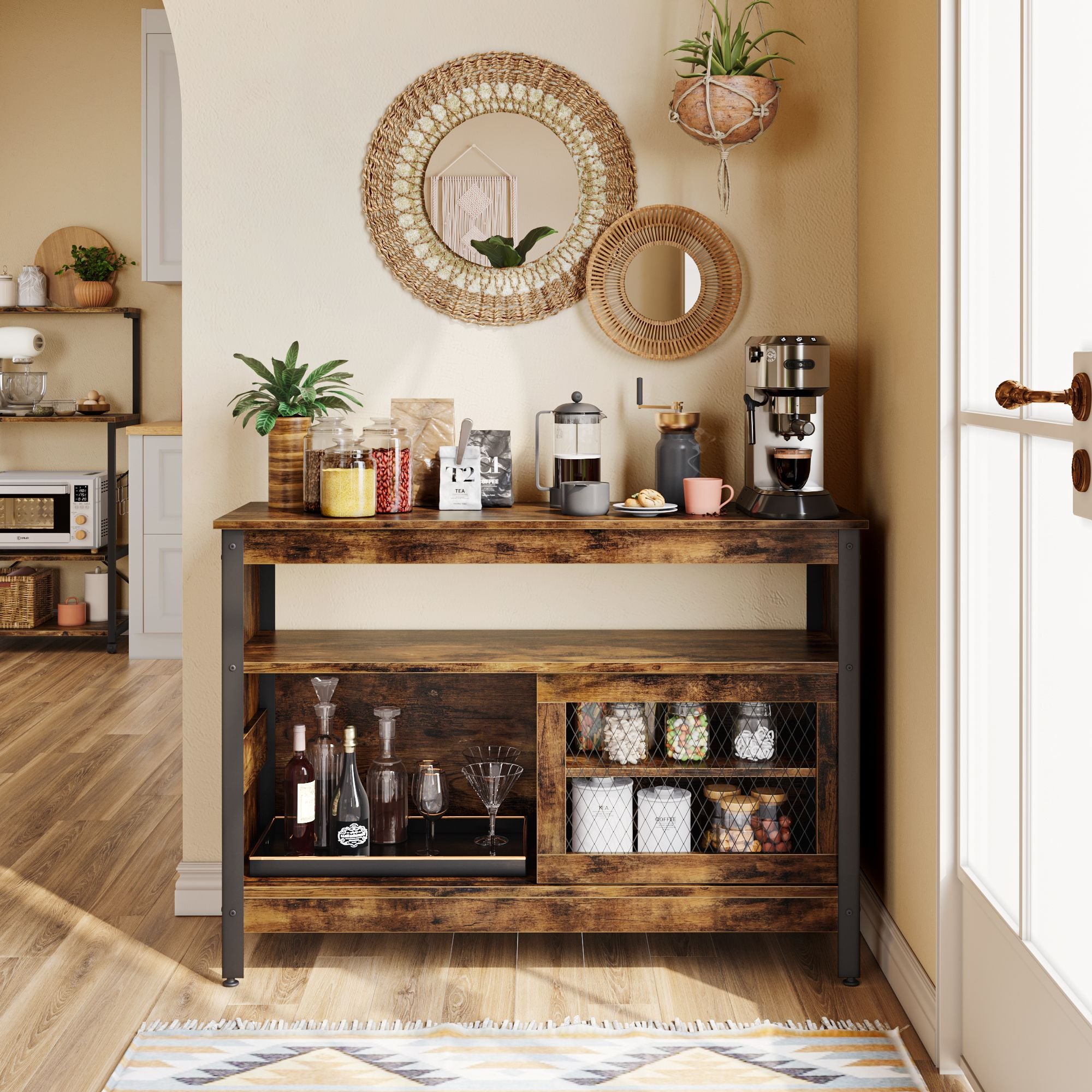
When selecting a rack, consider the specific needs of your bulk collection. If you have many heavy items, a bakers rack with cabinet storage for bulk items might be preferable, as it allows you to hide the bulkiest bags while displaying your more aesthetic jars on top. For those who need a dedicated prep area, models with a reinforced "countertop" shelf can double as a coffee station or microwave stand.
Ultimately, the best choice is one that balances your storage volume with the available space in your apartment. We encourage you to explore various bakers rack models to find the dimensions and weight ratings that fit your lifestyle. Whether you are a dedicated meal prepper or just trying to survive a kitchen without a pantry, a well-organized bakers rack is a transformative addition to any small home.
FAQ
How much weight can a typical bakers rack shelf hold? Weight capacity varies significantly by model. Standard consumer-grade racks usually support 30–50 lbs per shelf, while heavy-duty models can handle 100 lbs or more on the primary shelf. Always check the manufacturer's specific load rating before loading heavy bulk grains.
Is it safe to store food on open metal or wood shelves? Yes, provided the food is in airtight, hard-sided containers. This protects against pests and environmental contaminants. If using engineered wood, ensure it is CARB Phase 2 or TSCA Title VI compliant to ensure low emissions near your food.
How do I prevent my bakers rack from tipping over? Tipping is a serious safety concern. Always place the heaviest items on the lowest shelves. In apartments, use the provided wall-anchoring kits. If drilling is prohibited, look for heavy-duty "no-drill" furniture anchors or adhesive anti-tip kits.
Can I use a bakers rack in a humid apartment kitchen? Humidity can cause clumping in bulk powders and rust on low-quality metal. Ensure your rack is powder-coated and use containers with high-quality silicone gaskets to maintain a moisture-proof seal.
How do I organize my bulk food for maximum efficiency? Use the "Zone" method: place frequently used items (like coffee or snacks) at eye level, heavy bulk items (like rice and flour) on the bottom, and occasionally used items (like specialty baking supplies) on the top.
Are bakers racks better than kitchen islands for small apartments? Bakers racks are generally superior for storage-to-footprint ratio because they utilize vertical space. Kitchen islands are better if you primarily need extra prep surface or a dining area.
References
Government / Standards / Regulators
- FDA: Food Storage Safety Tips
- USDA: Shelf-Stable Food Safety
- EPA: Formaldehyde Standards for Composite Wood Products
