
Summary

In 2026, the intersection of rising urban density and the permanence of hybrid work has transformed multi-functional furniture from a luxury into a necessity for the modern digital nomad. By prioritizing modularity, verticality, and technical integration, residents can effectively double the utility of their square footage, creating high-performance hubs that support professional productivity, immersive gaming, and restorative living within a single, cohesive environment.
Key takeaways
- Prioritize Verticality: Utilize the "upper half" of your rooms with tall shelving and baker's racks to reclaim floor space for movement and ergonomics.
- Modular Adaptability: Select pieces that can be reconfigured or expanded, such as L-shaped desks that transition between corner and straight layouts.
- Technical Integration: Seek furniture with built-in power outlets, USB-C charging ports, and advanced cable management to reduce "visual clutter" and support high-bandwidth hardware.
- Certified Safety: Ensure all engineered wood products meet or exceed CARB Phase 2 and EPA TSCA Title VI standards to protect indoor air quality in confined spaces.
- Dual-Purpose Design: Invest in "hybrid" furniture, such as entertainment centers that double as storage or desks that serve as dining surfaces, to minimize the total piece count.
The Evolution of Small Space Living in 2026
The "Small Space Crisis" of the mid-2020s has fundamentally shifted how we perceive our homes. No longer just a place to sleep, the modern apartment is a 24/7 ecosystem. For the digital nomad, space optimization isn't just about fitting things in; it’s about "Space Elasticity"—the ability of a room to change its function throughout the day.
As urban footprints continue to shrink, the demand for furniture that "works harder" has led to a revolution in design. We are seeing a move away from heavy, static pieces toward lightweight, high-strength materials that offer portability without sacrificing the stability required for dual-monitor setups or professional culinary equipment. This guide explores the frameworks necessary to navigate this landscape, ensuring your home remains an asset to your lifestyle rather than a constraint.
Logic Summary: This guide operates on the "High-Utility Heuristic," which suggests that any piece of furniture occupying more than 4 square feet of floor space should serve at least two distinct functions (e.g., storage + workspace). This approach is optimized for studio and one-bedroom apartments ranging from 350 to 650 square feet.
Strategies for Optimizing Home Office and Gaming Zones
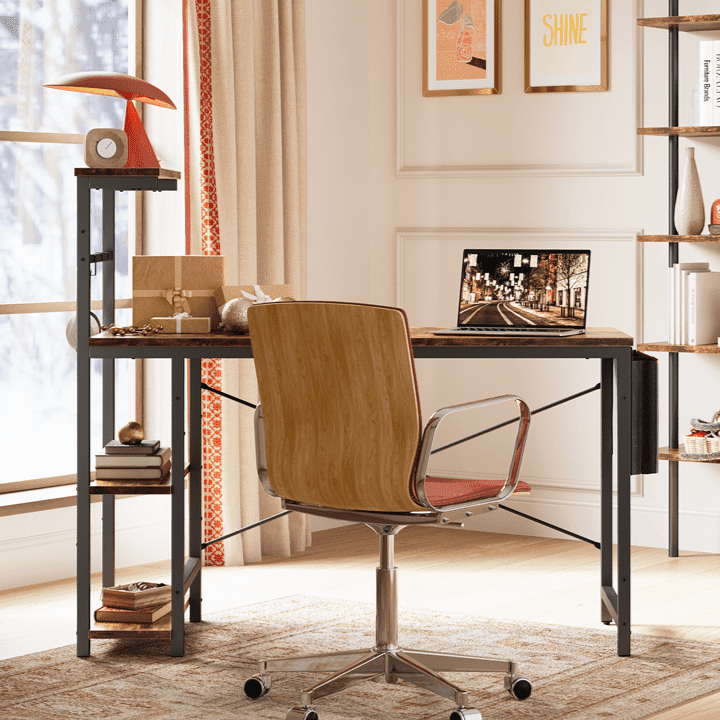
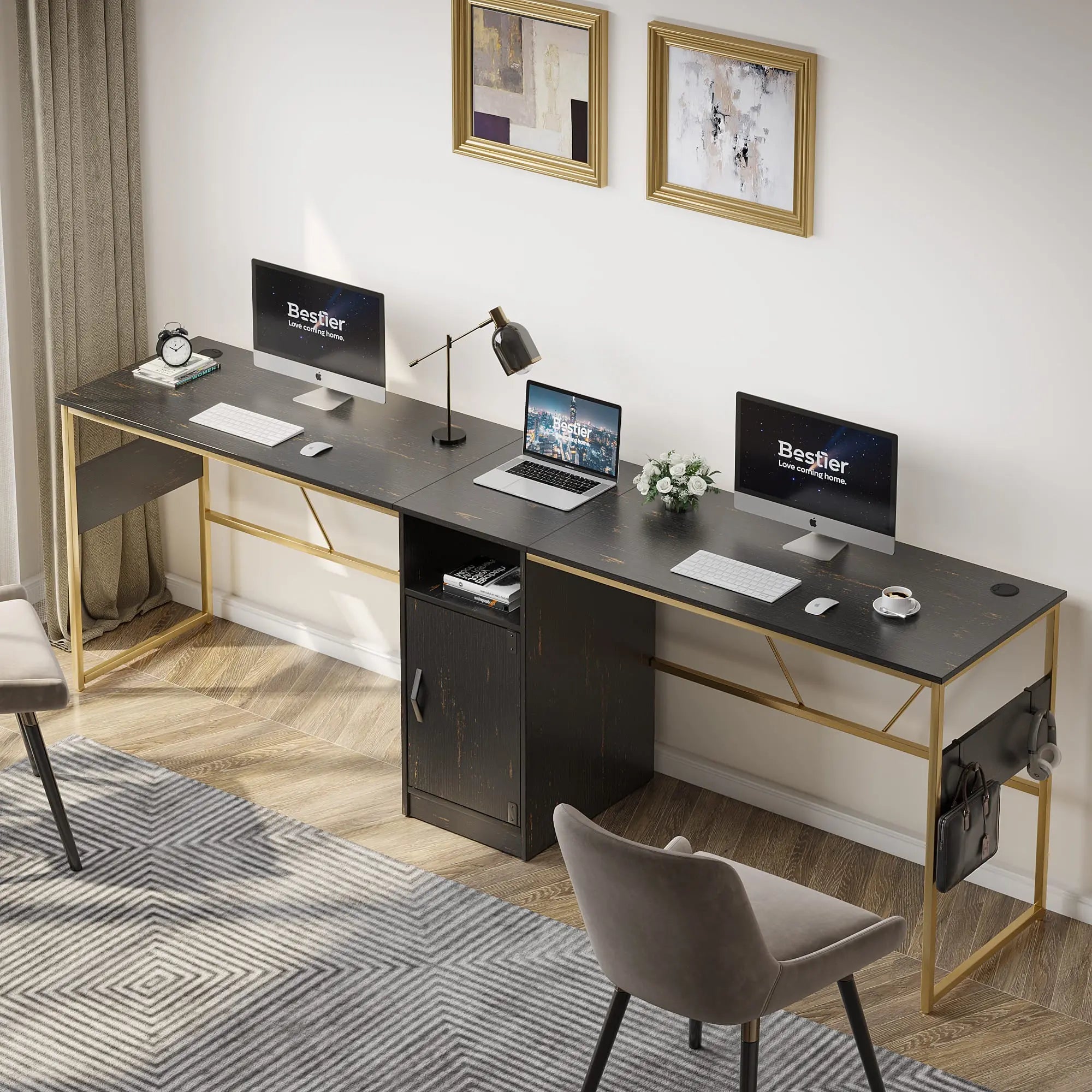
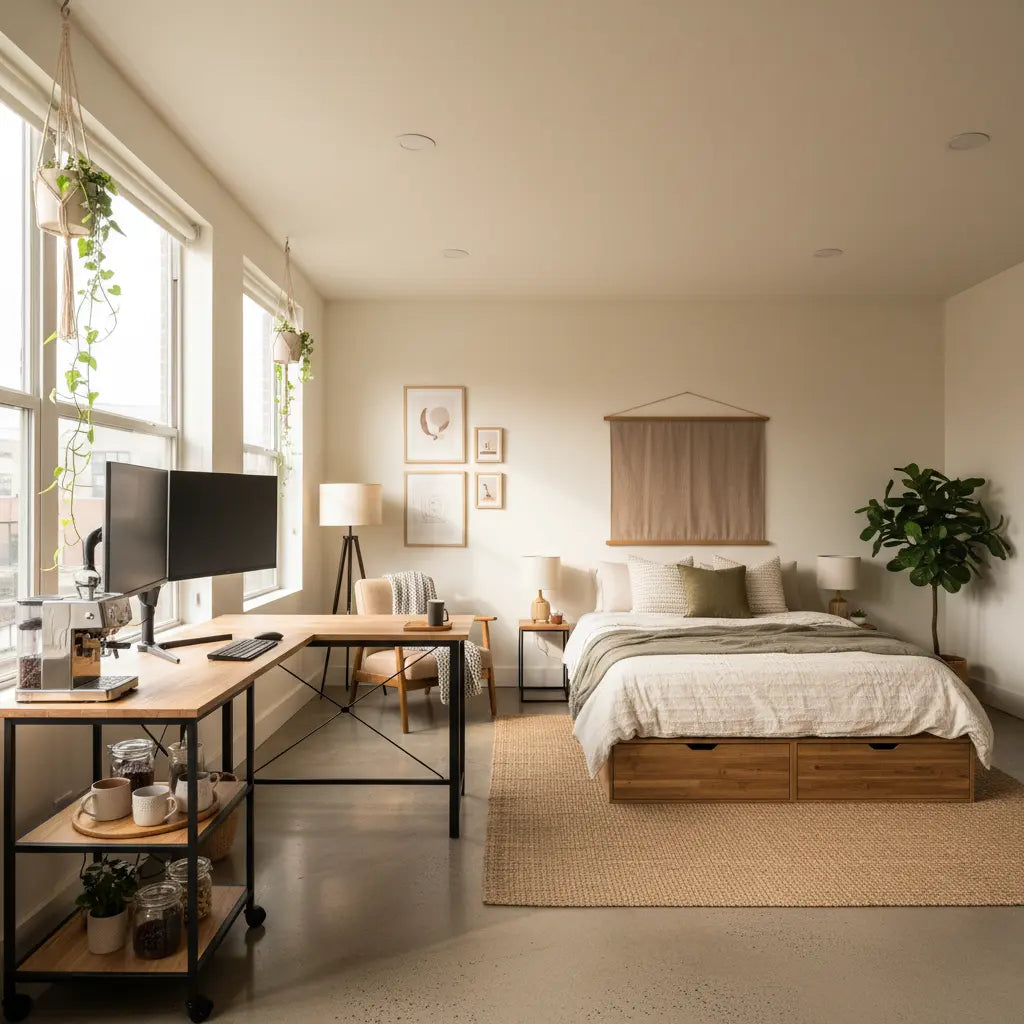
The home office is the heart of the digital nomad's habitat. However, in a small space, a dedicated "office room" is often a fantasy. The solution lies in the L-shaped desk, which utilizes neglected corners to provide a sprawling work surface without bisecting the room. Modern designs now include integrated LED lighting to reduce eye strain during late-night sessions and dedicated hooks for headphones or VR gear.
When selecting your command center, consider the home office furniture collection which focuses on these ergonomic and space-saving features. A multi-functional gaming desk with storage is a prime example of this trend, offering a monitor stand to keep the screen at eye level while freeing up the desk surface for a keyboard, mouse, and even a tablet or notebook.

Beyond the desk itself, ergonomics in 2026 have evolved to include "micro-movements." Standing desk converters or adjustable-height surfaces are essential for maintaining health when your "commute" is only five steps from the bed. The goal is to create a zone that feels distinct from the rest of the apartment, using lighting and furniture orientation to signal the brain when it is time to work and when it is time to unplug.
Maximizing Culinary and Dining Areas with Vertical Storage
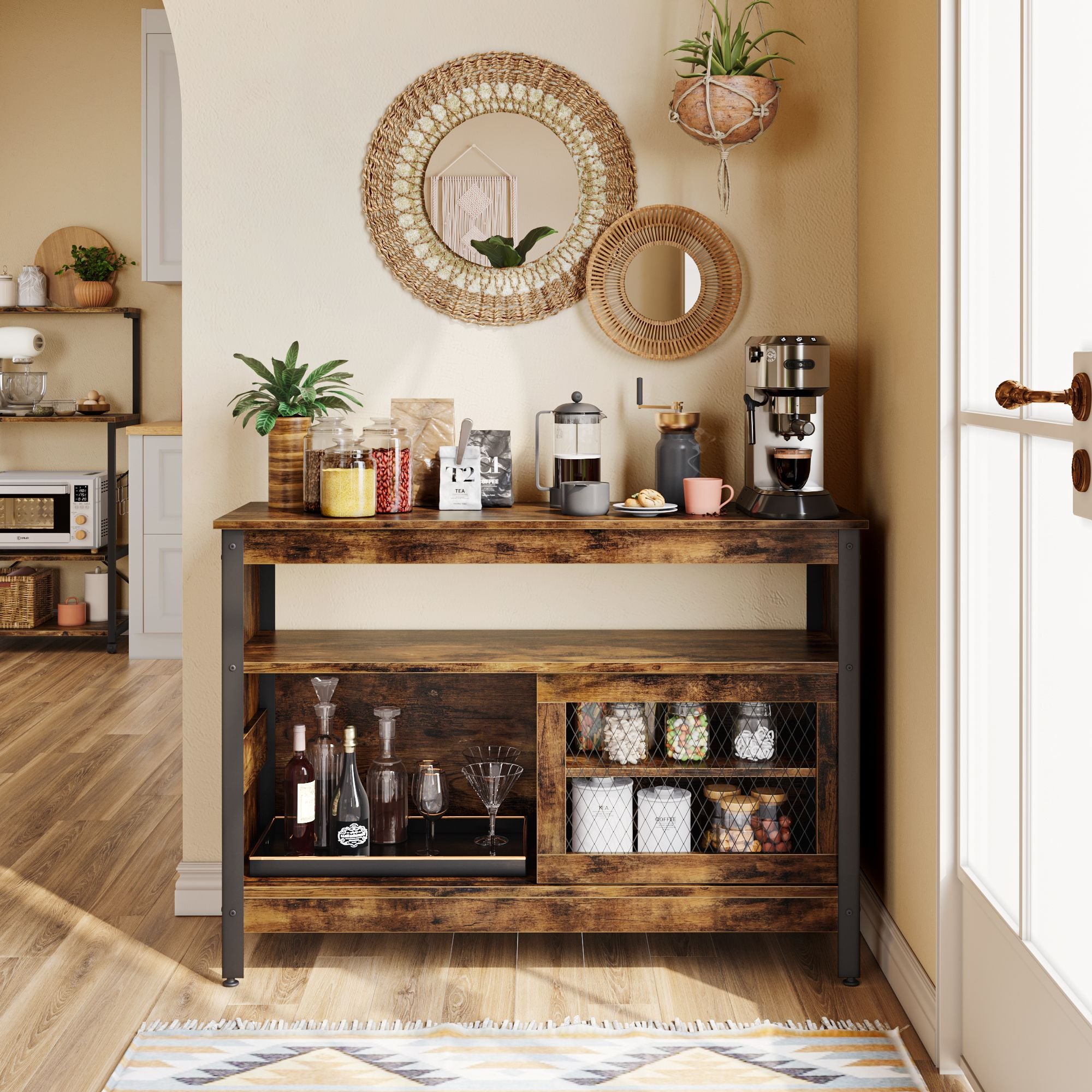
Kitchens are often the most cramped areas in urban dwellings, yet they require the most specialized equipment. To avoid "countertop creep," where appliances slowly consume all prep space, look toward vertical storage solutions. Baker's racks and microwave stands have become the "Swiss Army Knives" of the kitchen, providing a home for heavy mixers, coffee stations, and pantry staples.
Implementing kitchen space optimization tips can help you identify which items should be "active" (on the counter) and which should be "passive" (stored vertically). A well-designed baker's rack often includes S-hooks for utensils and power outlets for small appliances, effectively turning a 2-foot wide section of wall into a full-service coffee bar or prep station. This vertical shift not only improves functionality but also makes the kitchen feel more organized and spacious.
Visual Tricks and Minimalist Design Principles
Small space living is as much about psychology as it is about physical dimensions. A cluttered room feels smaller than it is, leading to "cabin fever" and reduced productivity. Adopting minimalist design principles doesn't mean living in a void; it means choosing pieces with "visual lightness"—thin metal frames, glass shelves, and light wood finishes.
Utilizing visual space expansion techniques, such as placing mirrors opposite windows or choosing furniture with legs that show the floor underneath, can create the illusion of more area. In 2026, the "floating" furniture trend—where desks and shelves are wall-mounted—has gained significant traction because it removes the visual "weight" of traditional furniture bases.
Safety and Sustainability: Beyond the Surface
In the quest for affordable, multi-functional furniture, safety standards are often overlooked. However, in small, poorly ventilated apartments, the quality of materials is paramount. Most modern furniture is constructed from engineered wood, which can emit formaldehyde if not properly manufactured.
It is critical to verify that your furniture meets engineered wood safety standards. Specifically, look for CARB Phase 2 and EPA TSCA Title VI compliance. These regulations limit the amount of formaldehyde off-gassing, ensuring that your "optimized" space remains a healthy environment. As noted in the Bestier whitepaper on safety, these standards are the gold standard for indoor air quality, particularly important when your workspace, kitchen, and bedroom are essentially the same room.
Logic Summary: Material safety claims are based on current EPA and CARB regulatory thresholds as of 2026. While "zero-emission" furniture is rare, "ultra-low emission" (ULEF) or "no-added formaldehyde" (NAF) resins are the recommended choice for sensitive individuals or those in studio apartments with limited airflow.
Decision Framework: Choosing the Right Multi-Functional Pieces
Selecting the right furniture requires a balance of dimensions, utility, and durability. Use the following checklist to evaluate potential additions to your small space.
| Feature | Requirement | Why it Matters |
|---|---|---|
| Footprint | < 15% of room area | Maintains "flow" and prevents the room from feeling cramped. |
| Functionality | 2+ distinct uses | Maximizes the "utility-per-square-foot" ratio. |
| Modularity | Can it be flipped/moved? | Essential for renters and those who change layouts frequently. |
| Tech-Ready | Built-in power/cables | Eliminates "cable nests" which are a major source of visual clutter. |
| Safety | CARB/TSCA Certified | Protects long-term respiratory health in confined spaces. |
| Assembly | < 60 minutes | High-quality modular furniture should be intuitive to assemble/disassemble. |
FAQ
What is the best type of desk for a very small studio apartment? For most studio layouts, an L-shaped desk is the superior choice because it utilizes corner space that is typically wasted. This configuration provides two distinct zones—one for a computer and another for paperwork or dining—without extending into the center of the room. Look for models with integrated shelving to further maximize vertical storage.
How do I know if my furniture is safe for a small, enclosed space? You should look for labels or product descriptions that explicitly mention CARB Phase 2 and EPA TSCA Title VI compliance. These certifications ensure that the engineered wood used in the furniture meets strict federal limits on formaldehyde emissions. In a small apartment, where air volume is lower, these standards are essential for maintaining healthy indoor air quality.
Can multi-functional furniture actually save me money? Yes, by investing in high-quality pieces that serve multiple roles, you reduce the total number of items you need to purchase. For example, a baker's rack that serves as a kitchen island, storage unit, and coffee bar replaces three separate pieces of furniture. This "consolidation" approach not only saves money but also reduces the cost and hassle of moving.
Is modular furniture durable enough for frequent moves? Modern modular furniture is designed with high-strength fasteners and reinforced joints specifically for the "nomadic" lifestyle. While traditional particle board might degrade after one or two disassemblies, high-grade MDF and metal-framed pieces are engineered to be taken apart and reassembled multiple times. Always check the weight capacity and joint types before purchasing if you plan to move frequently.
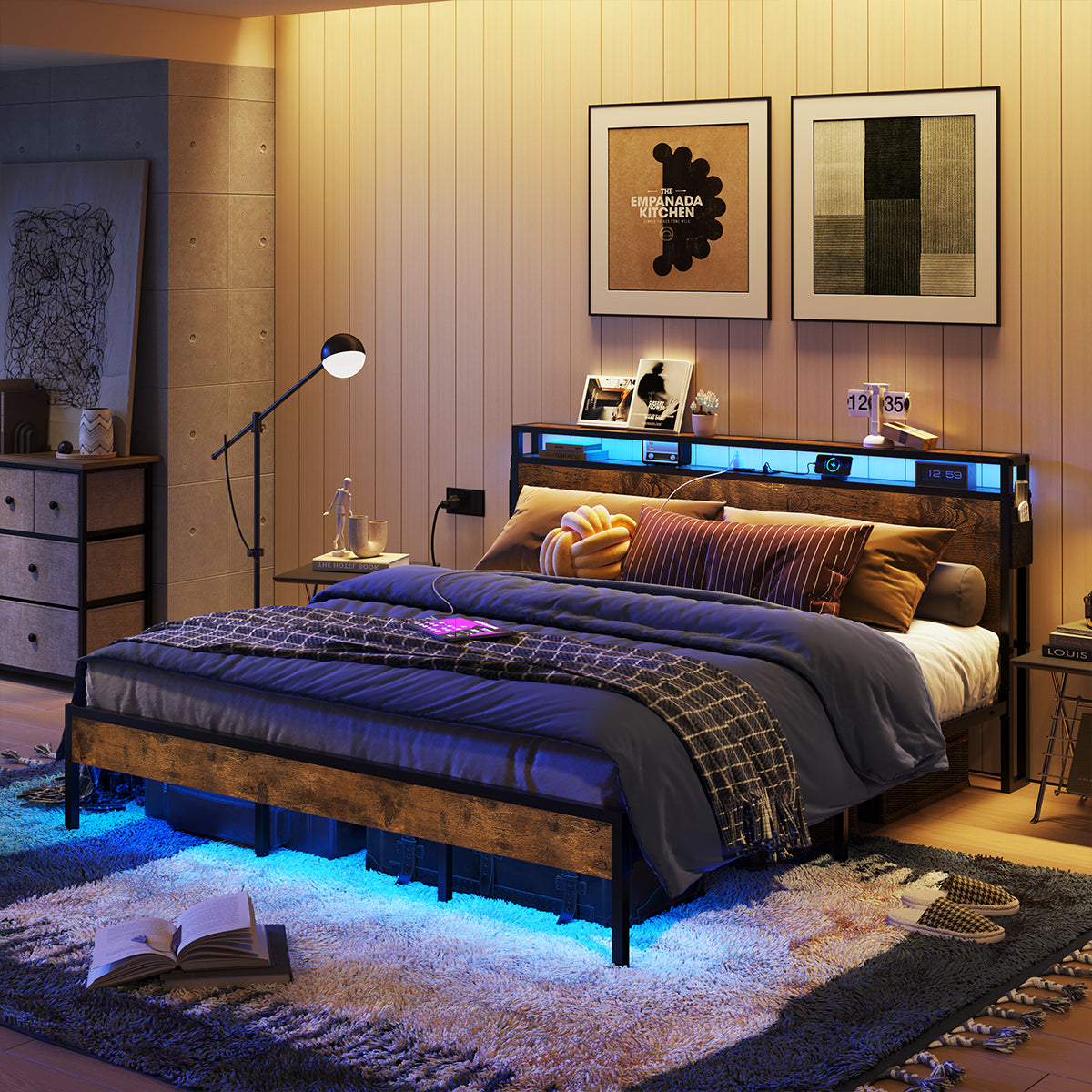
How can I make my small apartment feel less like a "storage unit"? The key is to use "hidden storage" and verticality. Choose bed frames with drawers underneath, and use tall, open-frame shelving that allows light to pass through. By keeping the floor as clear as possible and using furniture with "visual lightness" (like thin legs or glass), you can store a significant amount of items without the space feeling heavy or cluttered.
What are the most important tech features to look for in furniture today? In 2026, built-in USB-C power delivery (PD) and wireless charging pads are the most valuable features. Additionally, furniture with dedicated "cable channels" or "power strips" integrated into the frame helps manage the dozens of cords required for modern setups, preventing the "cord chaos" that often plagues small spaces.
References
Government / Standards / Regulators
- EPA TSCA Title VI Formaldehyde Emission Standards
- California Air Resources Board (CARB) Airborne Toxic Control Measure
Platform official docs & policies
Industry associations / research institutes
- International Furniture Research Association (IFRA) - Space Optimization Trends 2026
- National Association of Home Builders (NAHB) - Micro-Housing Report
Community
- r/DigitalNomad - Remote Work Setup Best Practices (Intent only; not authoritative)
- r/SmallSpaceLiving - Furniture Hacks and Reviews (Intent only; not authoritative)
