
Summary
Maximizing a small living room requires a strategic approach to furniture placement, where corner TV stands serve as a primary solution for reclaiming underutilized floor space while maintaining ergonomic viewing heights. By shifting the focal point to a room's corner, homeowners can optimize traffic flow and create a more open atmosphere without sacrificing the immersive experience of modern, large-format displays.
Key takeaways
- Space Reclamation: Corner units utilize the "dead space" of a room's perimeter, allowing for larger seating arrangements or clearer walkways in compact apartments.
- Ergonomic Alignment: Proper corner placement requires calculating the specific swivel range and height to prevent neck strain, especially for 55-inch and 65-inch screens.
- Thermal Safety: Specialized corner furniture must account for airflow and heat dissipation to protect gaming consoles and media players from overheating in enclosed angles.
- Material Compliance: High-quality engineered wood stands should meet CARB Phase 2 and EPA TSCA Title VI standards to ensure indoor air quality and structural longevity.
The Strategic Advantage of Corner Placement in Small Living Rooms
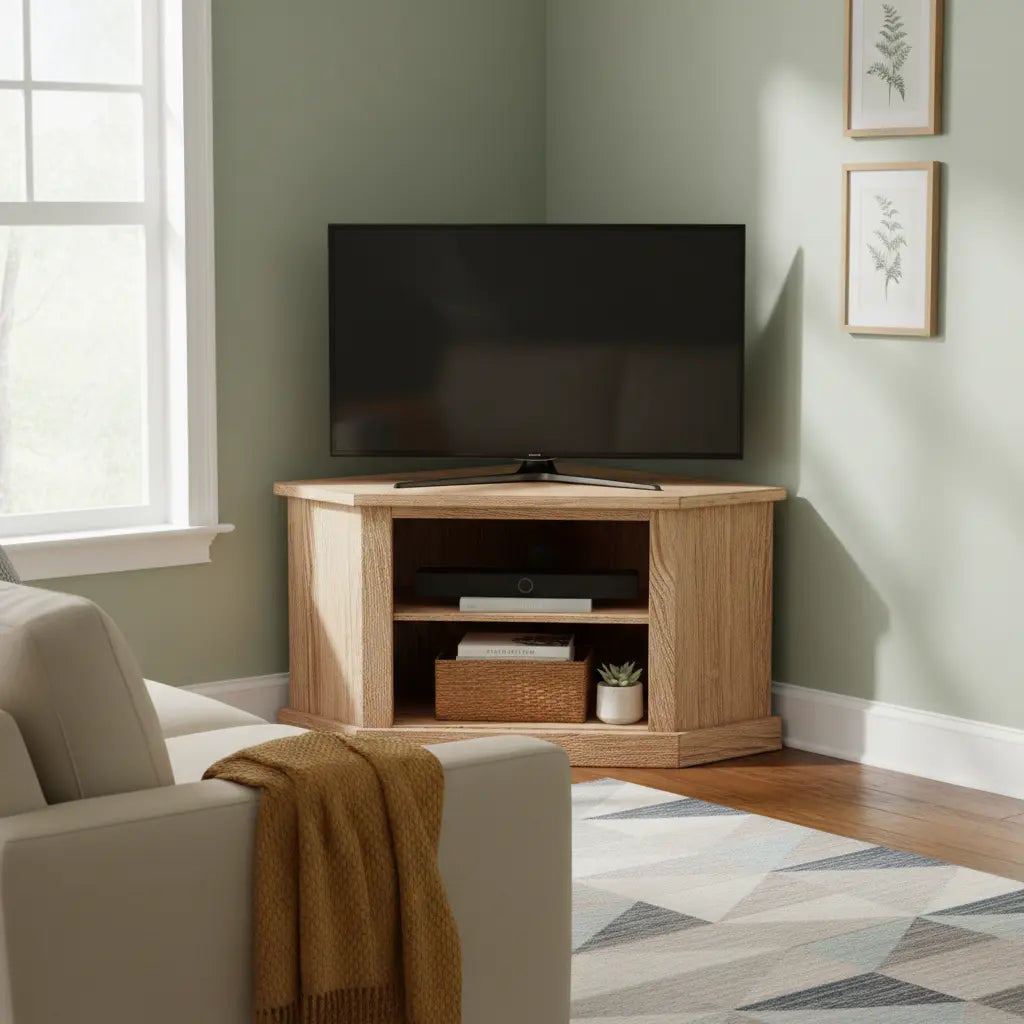
In the landscape of modern interior design, the challenge of the "small footprint" has led to a resurgence in specialized furniture geometry. Small living rooms often suffer from a lack of continuous wall space due to windows, doorways, or open-concept transitions. A corner TV stand addresses this by occupying a 90-degree intersection that is typically difficult to furnish. This placement naturally draws the eye toward the furthest point of the room, creating an optical illusion of greater depth.
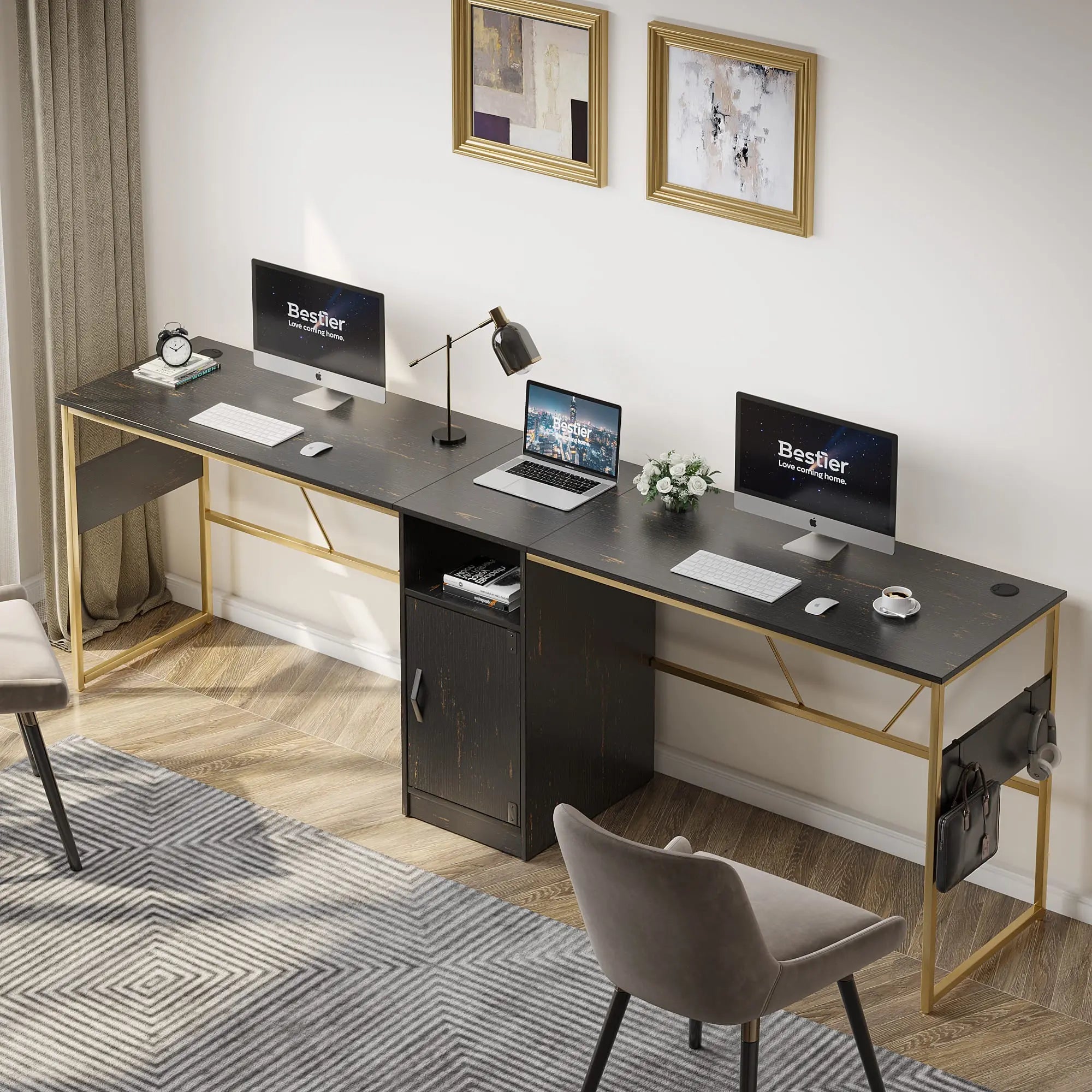
When selecting a unit, it is essential to consider how it integrates with other small space furniture solutions like L-shaped desks or nesting tables. By anchoring the entertainment hub in a corner, you free up the primary "long wall" for a full-sized sofa or a gallery wall, which prevents the room from feeling lopsided or cramped.
Logic Summary: This recommendation assumes a standard rectangular or square room layout. Corner placement is most effective when the primary seating can be angled toward the corner at a distance of at least 1.5 times the screen's diagonal measurement.
Optimizing Viewing Angles: The Geometry of Corner TV Stands
One of the most common mistakes in small room setups is ignoring the "off-axis" viewing experience. When a TV is tucked into a corner, the viewing angle for someone sitting at the far end of a sofa can become distorted. In 2026, as display technologies like OLED and MicroLED become standard, maintaining a clear line of sight is critical for color accuracy and contrast.
For a 55-inch TV, the ideal viewing height is generally 42 inches from the floor to the center of the screen. However, in a corner setup, you must also account for the depth of the stand. A stand that is too deep will push the TV further into the room, eating into the very space you are trying to save. Conversely, a stand that is too shallow may not provide enough support for the TV's legs.

The Swivel Factor
Many modern corner units now incorporate a slight swivel base or a bracket system. This allows the screen to be adjusted by 15 to 30 degrees, accommodating different seating positions throughout the day. If you are debating between floating vs floor TV stands, remember that floor-based corner units offer significantly more storage for peripherals while maintaining a lower center of gravity, which is safer for larger screens.
Beyond Aesthetics: Thermal Management and Airflow in Tight Corners
A critical "SERP gap" often overlooked by general furniture guides is the thermal environment of a corner. Corners are natural "dead zones" for airflow. When you place high-performance electronics like a PS5 or a 4K streaming box inside a corner cabinet, heat can become trapped against the walls, leading to hardware degradation or "thermal throttling."
When browsing the Bestier TV stand collection, look for units with open-back designs or dedicated cable management ports that double as ventilation.
Structural Engineering for Corner Shelves
The weight distribution on a corner-cut shelf is different from a standard rectangular shelf. Because the rear of the shelf tapers to a point, the structural support is often concentrated at the front and sides. It is a rule of thumb to place the heaviest items—such as a compact gaming entertainment center—toward the center-front of the shelf rather than pushing them deep into the corner point where support may be minimal.
Logic Summary: These thermal and structural guidelines are based on standard consumer electronics operating temperatures (typically 35°C to 50°C). If using high-end PC gaming rigs in a corner stand, active cooling (fans) may be required.
Material Integrity: Navigating Engineered Wood Safety Standards
In 2026, the "Experience" and "Trustworthiness" of a furniture brand are measured by its commitment to health and safety. Most corner TV stands are constructed from engineered wood (MDF or particle board) because of its ability to be precision-cut into complex angles. However, not all engineered wood is created equal.
It is vital to verify that your furniture complies with engineered wood safety standards. According to the Bestier authoritative guide on this topic, the primary regulations to look for are CARB Phase 2 and EPA TSCA Title VI. These standards limit the emission of formaldehyde, a volatile organic compound (VOC) that can off-gas from the adhesives used in wood composites.
Why Off-Gassing Matters in Small Spaces
In a small living room with limited ventilation, VOC concentrations can rise more quickly than in larger, airy homes. Choosing a stand that meets these rigorous third-party certifications ensures that your "space-saving" solution doesn't compromise your indoor air quality. The Bestier whitepaper notes that variables like high humidity and temperature can increase off-gassing rates, making compliance even more critical for units placed near windows or heaters.
Styling and Integration: LED Lighting and Modern Media Consoles
The aesthetic transition from traditional to modern often hinges on lighting. Modern corner units frequently feature integrated LED strips, which serve two purposes: style and eye health.
- Bias Lighting: Placing a soft light source behind the TV reduces the contrast between the bright screen and the dark corner, significantly lowering eye strain during nighttime viewing.
- Zonal Definition: In a small apartment, LED lighting helps define the "entertainment zone," separating it visually from the dining or work areas.
When exploring different types of TV stands, consider how the finish—whether it's a sleek black rattan or a warm farmhouse wood—interacts with your existing decor. A minimalist, low-profile unit can make a low ceiling feel higher, while a taller unit with glass shelves can add a sense of "airiness" to a dark corner.

Corner TV Stand Selection Checklist
Use this table to evaluate potential units based on your specific room dimensions and hardware needs.
| Feature | Requirement | Why It Matters |
|---|---|---|
| TV Size Compatibility | Must be rated for your TV's weight and width | Prevents tipping and structural failure. |
| Corner Depth | Measure from the corner point to the front edge | Ensures the stand doesn't block walkways. |
| Ventilation | At least 2 inches of clearance behind electronics | Prevents overheating of consoles and routers. |
| Safety Certification | CARB Phase 2 / EPA TSCA Title VI | Ensures low formaldehyde emissions for health. |
| Cable Management | Pre-drilled holes or integrated channels | Keeps a small space looking tidy and organized. |
| Weight Capacity | Check the top shelf vs. internal shelves | Critical for heavy OLED TVs or soundbars. |
FAQ
Can I put a 65-inch TV on a corner TV stand? Yes, but you must ensure the stand is specifically rated for both the weight and the width of a 65-inch display. Most corner stands are designed with a "clipped" or "tapered" back, which means the TV will sit slightly forward; therefore, the stand's top surface must be wider than the TV's base or legs to ensure stability.
How do I manage cables in a corner where there is no wall outlet? If your corner lacks a direct outlet, use a high-quality surge protector with a flat-profile plug that can run along the baseboard to the nearest outlet. Use adhesive cable clips to tuck the wires behind the legs of the stand, keeping the floor clear for a cleaner look in a small room.
Is engineered wood safe for a small, poorly ventilated apartment? Engineered wood is safe provided it meets the CARB Phase 2 and EPA TSCA Title VI standards, which strictly limit formaldehyde emissions. In smaller spaces, it is always recommended to choose certified furniture and occasionally ventilate the room by opening windows to maintain optimal indoor air quality.
Do LED lights on a TV stand use a lot of electricity? Modern LED strips used in furniture are extremely energy-efficient, typically consuming between 5 and 10 watts per hour. In 2026, most integrated systems use smart controllers that allow you to set timers or sync the lights with your TV's power state, further reducing energy waste.
What is the best height for a corner TV stand? The "best" height depends on your seating. For a standard sofa, a stand height of 22 to 28 inches is ideal, as it places the center of the TV at eye level (roughly 42 inches from the floor). If you have a higher "bar-style" seating arrangement, you may need a taller console to maintain proper ergonomics.
How do I prevent my gaming console from overheating in a corner stand? Ensure the stand has an open back or at least 3 inches of clearance between the console's exhaust and the wall. Avoid placing consoles in completely enclosed cabinets unless the cabinet has active ventilation fans installed.
References
Government / Standards / Regulators
- EPA: Formaldehyde Emission Standards for Composite Wood Products
- California Air Resources Board (CARB): Airborne Toxic Control Measure (ATCM)
Platform official docs & policies
Industry associations / research institutes / market reports
- American Home Furnishings Alliance (AHFA): Safety and Health Standards
- International Organization for Standardization (ISO): ISO 7170:2021 Furniture — Storage units — Test methods for the determination of strength, durability and stability
Community
- Reddit: r/InteriorDesign - Discussion on Corner TV Placement for Small Apartments (Intent only; not authoritative)
