
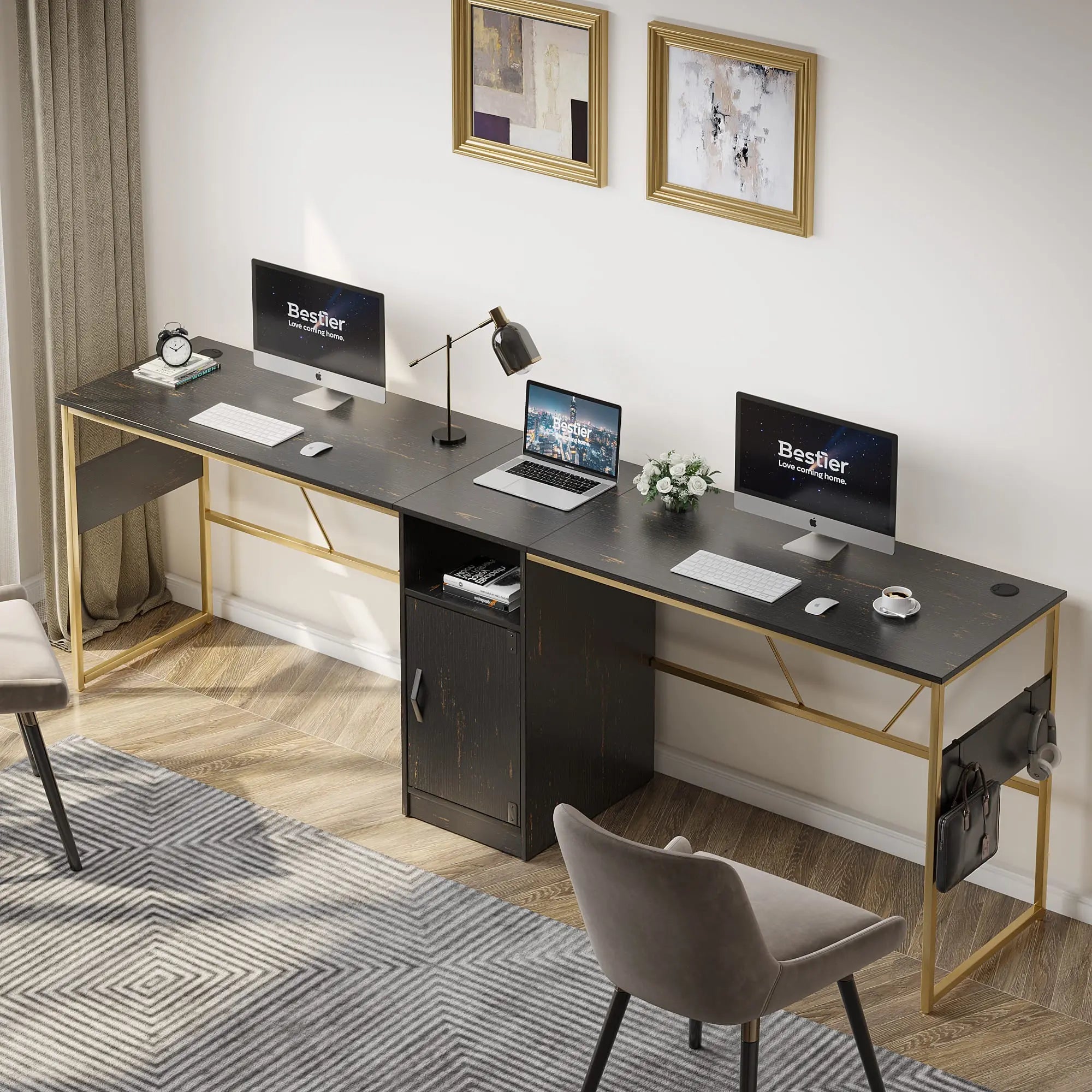

You can transform a budget gaming desk into a setup that photographs and feels far more expensive than its price tag suggests. The key is focusing on the visual cues people notice first—clean lines, controlled lighting, hidden cables, and intentional arrangement—rather than trying to mimic high-end materials or overspending on accessories. These styling choices work especially well in small rooms, streaming corners, and shared spaces where the desk becomes part of the overall scene.
Why Perceived Value Matters More Than Actual Cost
A premium-looking gaming station does not require luxury furniture. Research on how light affects perception of space shows that thoughtful illumination, reduced visual noise, and consistent details can dramatically change how a workspace reads. In practice, this means a well-styled budget desk often looks more refined than an expensive but cluttered one. The difference lies in execution: tidy cable paths, balanced lighting, and surface care create an impression of intentional design rather than raw material expense.
This approach aligns with what many budget-conscious gamers, streamers, and creators seek. Whether you have a Bestier 42-inch L-shaped Gaming Desk or a straight model, the styling principles remain the same. The goal is visual coherence that supports both daily use and on-camera presence without misleading anyone about the desk's actual construction quality.

The Priority Filter: What Actually Moves the Needle
Not every upgrade delivers equal impact. The biggest gains in perceived luxury typically come from addressing the most obvious budget tells first. Clean cable routing, strategic lighting, and surface maintenance tend to outperform decorative accents when it comes to making a setup look deliberate and high-value.
Here is an illustrative ranking of common low-cost styling actions based on design principles and perception research:
Illustrative Priority of Low-Cost Styling Actions
Illustrative priority based on design principles and perception research
View chart data
| Category | Relative premium-value impact (illustrative) |
|---|---|
| Clean cable routing | 10.0 |
| Lighting that shapes area | 8.0 |
| Surface uniformity / scratch control | 7.0 |
| Decor consistency | 4.0 |
| Texture accents | 3.0 |
Bounded heuristic ranking derived from viewpoint modules and perception/design principles: clutter reduction and cable management contribute the largest perceived-value gains; lighting that shapes the area is next; surface uniformity and scratch control follow; decor consistency and texture accents add smaller incremental gains. Scores are illustrative priority levels, not measured effect sizes.
As this chart illustrates, the first three actions usually deliver the majority of the perceived upgrade. Later items provide helpful polish but rarely rescue a setup that still has visible cables or poor lighting. This ordering helps you allocate limited time and budget where they matter most.
Myth vs Reality: What “Faking Luxury” Actually Means
Several common beliefs about premium-looking setups deserve clarification. Many gamers assume that a carbon-fiber texture instantly makes a desk look expensive. In reality, a printed pattern can improve the visual story, but it cannot hide poor organization or bad lighting. The surface treatment works best as a finishing touch after the fundamentals are addressed.
Another myth is that adding RGB lighting automatically elevates the entire station to luxury status. While layered lighting can enhance atmosphere, uncontrolled or mismatched lights often make a budget desk read as decorated rather than refined. The same principle applies to accessories: throwing multiple themed items onto the surface tends to increase visual noise rather than reduce it.
Cable management is frequently oversold as the single trick that transforms any desk. Tidy routing does make a workspace look cleaner and more intentional, while also reducing trip hazards, but it cannot compensate for visible seams, mismatched hardware, or a cluttered overall layout. These insights help separate effective styling from marketing hype.
How to Master Cable Management for a Polished Look
Visible wires remain one of the fastest ways to make even an expensive desk appear cheap. The solution involves both concealment and intentional routing that looks planned rather than hidden.
Start by auditing your current setup. Group cables by function—power, data, peripherals—and route them along the desk frame or through dedicated channels. Many Bestier models include built-in management features that simplify this process. For desks without them, adhesive clips, fabric sleeves, and under-desk trays offer affordable fixes that keep everything out of sight while maintaining easy access.

Our Complete Masterclass in Gaming Desk Cable Management provides detailed no-drill methods and small-room solutions that work particularly well with L-shaped and straight gaming desks. When cables disappear, the eye moves to the cleaner surfaces and accessories, instantly raising the perceived quality of the entire station.
This step also supports better ergonomics. An intentionally arranged workspace with clear access to controls tends to feel more professional, as noted in government workspace planning guidelines.
Lighting Strategies That Elevate Perceived Quality
Lighting is perhaps the highest-leverage tool for making a budget setup look expensive. Good illumination changes how textures, colors, and surfaces are perceived, often making modest materials appear more refined.
Layer three types of light: ambient room lighting, task lighting for the desktop, and accent lighting that defines the gaming zone. Bias toward warmer tones (around 3000-4000K) for a calmer, more sophisticated feel rather than harsh blue-white gaming lights. Position strips under the desk edge or behind the monitor to create depth without glare.
For streamers and content creators, controlled RGB that syncs with your PC can add polish without looking gimmicky. The guide to syncing desk RGB lighting with your gaming PC explains safe integration methods that maintain a cohesive look across your setup.
As architectural sources explain, how light affects perception of space plays a major role in whether a room feels finished or temporary. In darker rooms, accent lighting can carry more of the luxury signaling; in bright spaces with natural daylight, focus on reducing glare and visible imperfections instead.
Surface Care and Texture Choices That Look Expensive
Budget desks often use laminate or printed surfaces that can show scratches and fingerprints quickly. Regular cleaning with microfiber cloths and avoiding abrasive cleaners preserves the uniform appearance that reads as higher quality. For carbon-fiber textured models, the pattern helps hide minor marks better than glossy alternatives, though it still benefits from consistent maintenance.
Our comparison of scratch-resistant gaming desks highlights why textured finishes can be practical for gamers who want both durability and a technical aesthetic. Remember that these finishes improve appearance and ease of care—they do not upgrade the underlying construction.
Choose accessories that match the desk’s dominant color palette. Matte black or dark gray peripherals, monitor stands, and cable sleeves create visual consistency that makes the whole station feel more considered. Avoid mixing too many metallic finishes or bright colors that compete for attention.
Decluttering and Accessory Strategy for a Premium Vibe
Reducing visible clutter is one of the most effective ways to make any desk look calmer and more intentional. The psychology of clutter suggests that organized spaces feel less stressful and more polished. Keep only essential items on the main surface and use the shelves or drawers that come with many gaming desks for storage.
For streaming backgrounds, prioritize items that photograph well from the camera angle. Neutral or coordinated decor pieces create depth without distraction. Our article on budget-friendly streaming room decor offers practical ideas for acoustic treatment, subtle RGB use, and high-impact organization that work well with modest budgets.
Scenario Checklist: How to Choose Your Approach
The best styling tactics shift depending on your room and primary use. Use this checklist to decide where to focus effort:
- Small bedroom or private gaming corner: Prioritize compact footprint, efficient cable routing, and minimal surface items. A tidy, space-saving setup often feels more premium than an overloaded “luxury” look in tight quarters. Consider models from our guide to the best budget gaming desks for small apartments in 2026.
- Streaming or content creation setup: Emphasize front-edge cleanliness, symmetric accessory placement, and camera-friendly lighting. The desk becomes part of your visual brand, so visual coherence matters more than maximum storage.
- Dorm or shared living space: Focus on flexibility and quick tidying. Choose reversible shelves and easy-to-hide cables so the station can adapt to different viewers without looking messy.
- Bright room with natural light: Opt for matte textures and strong cable concealment because daylight reveals every fingerprint and wire.
- Dark room or evening use: Layered RGB and accent lighting can do more heavy lifting, allowing simpler base materials to still read as refined.
Before purchasing additional styling items, ask yourself whether the change reduces visual noise or adds to it. If the desk still feels cramped or the cables remain visible, decorative upgrades will have limited effect.
Common Pitfalls to Avoid
Do not rely solely on product photos when judging how a desk will look in your space. Real rooms have different lighting and proportions that can change the final impression. Avoid overusing themed gaming accessories that create a cluttered, “trying too hard” aesthetic. Finally, remember that no amount of styling changes the structural properties of budget furniture—focus on visual and organizational improvements rather than promising performance upgrades the materials cannot deliver.
This article discusses comfort, organization, and visual styling techniques for gaming desks. It does not constitute medical advice, ergonomic diagnosis, or treatment recommendations. Lighting and setup choices may affect perceived comfort or eye strain for some users, but individual results vary. If you experience persistent discomfort, headaches, or have existing eye or musculoskeletal conditions, consult a qualified healthcare or ergonomics professional.
A thoughtfully styled budget gaming desk can deliver the polished look many creators and gamers want without breaking the bank. By addressing cables, lighting, surface care, and arrangement in the right order for your specific room, you create a station that looks and feels significantly more expensive than its actual cost. Start with the highest-impact fixes, maintain consistency, and let the details do the talking. Your setup can look like a premium environment even when built from accessible pieces.
The principles here apply across many LED gaming desks and L-shaped options that already include helpful features like power outlets and reversible shelves. Combining smart styling with practical furniture choices lets you enjoy both performance and presentation on a realistic budget. Whether for serious streaming, content creation, or simply a better daily workspace, these techniques help bridge the gap between cost and desired aesthetic.
