
Summary
Small room layout optimization in 2026 relies on a "Zone-Based" design framework that prioritizes functional adjacency and psychological boundaries over physical walls. By strategically grouping activities—such as work, rest, and play—and utilizing modular, multi-functional furniture, residents of urban studio apartments can maximize every square foot while maintaining a sense of openness and mental clarity.

Key takeaways
- Functional Zoning: Divide your space into distinct activity areas (Work, Sleep, Social) to reduce cognitive load and improve productivity.
- Vertical Maximization: Utilize ceiling-to-floor storage systems, which offer up to 40% higher space utilization efficiency compared to horizontal alternatives.
- Modular Flexibility: Invest in furniture that serves multiple purposes or can be easily reconfigured, such as L-shaped desks that define corners or storage ottomans.
- Safety Standards: Prioritize indoor air quality in small spaces by choosing furniture that meets CARB Phase 2 and EPA TSCA Title VI standards to minimize formaldehyde off-gassing.
- Psychological Comfort: Maintain at least 18-24 inches of "transition space" between zones to prevent the room from feeling cluttered or overwhelming.
The Evolution of Small Space Living in 2026
As urban density continues to rise, the "Small Space Crisis" has shifted from a storage problem to a design challenge. In 2026, the focus is no longer just on fitting things into a room, but on creating a high-performance environment that supports a hybrid lifestyle. Whether you are working from home, streaming your favorite games, or hosting friends in a 400-square-foot studio, the layout must be dynamic. The traditional approach of pushing all furniture against the walls often leads to a "dead center" and a room that feels smaller than it is. Instead, professional designers are turning to zone-based strategies to define purpose and flow.
Understanding Zone-Based Design Principles
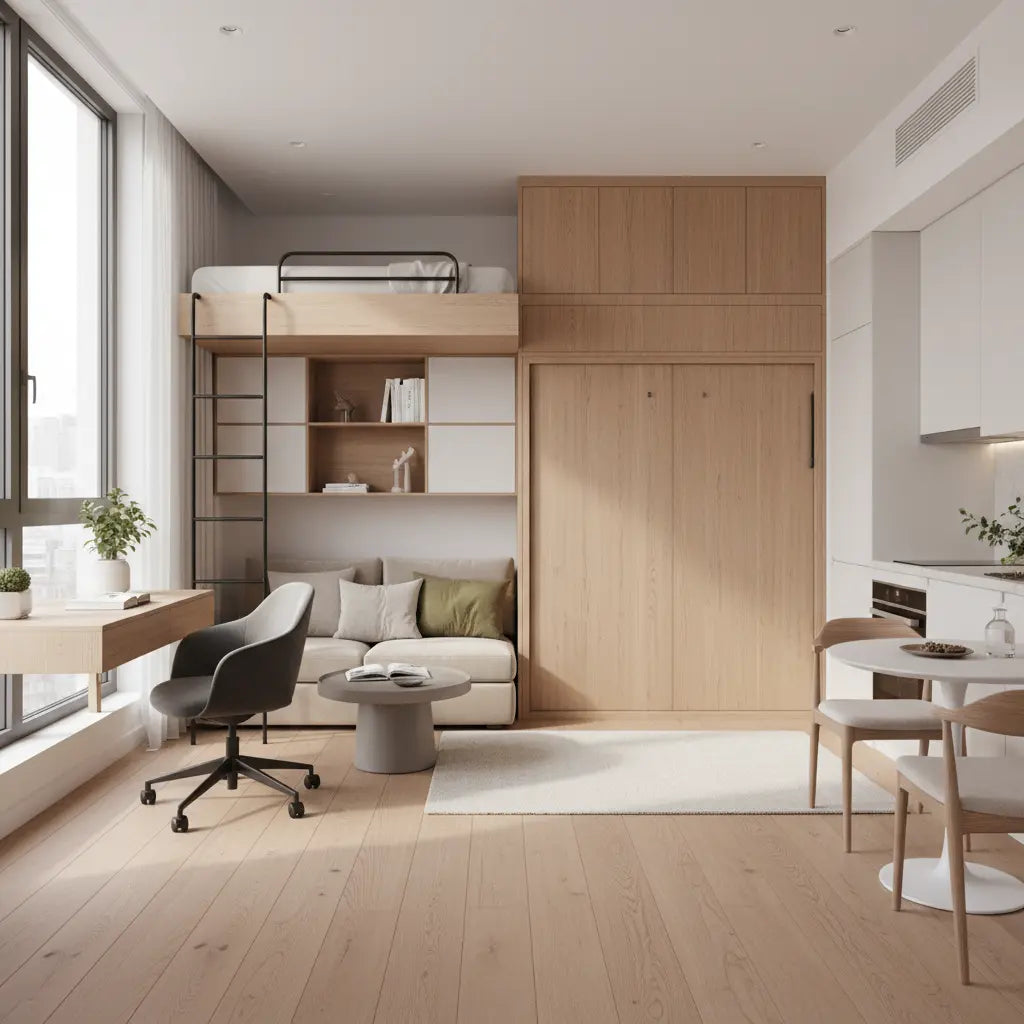
Zone-based design is the practice of organizing a room into specific areas dedicated to particular activities. This methodology is grounded in environmental psychology, which suggests that humans need clear territorial boundaries to feel comfortable and focused. In a confined environment, the lack of physical walls means the brain has to work harder to switch between "work mode" and "relaxation mode." By creating visual and functional cues, you can significantly reduce this cognitive load.
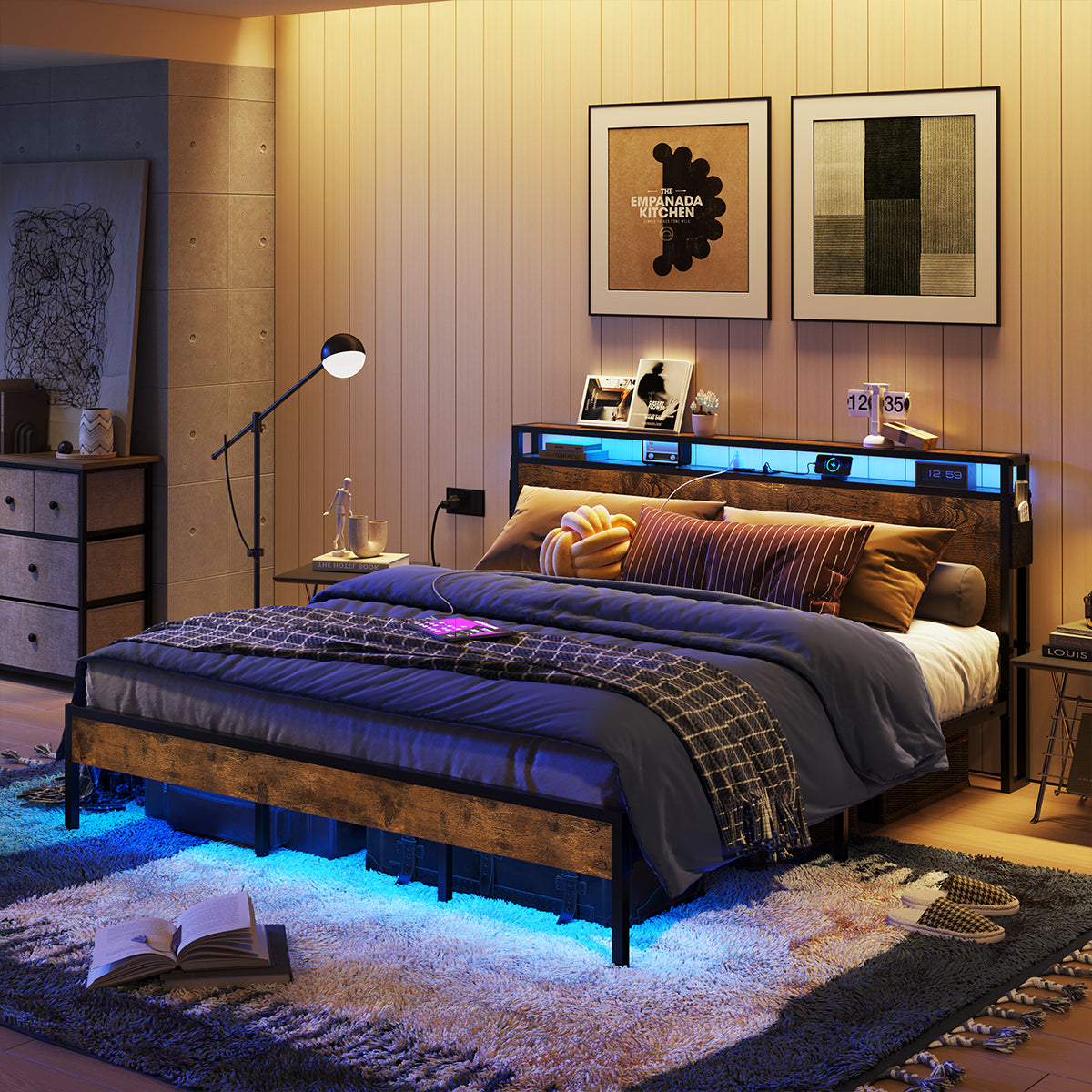
When implementing these principles, it is helpful to explore small space furniture solutions that act as anchors for each zone. For instance, a rug can define the living area, while a tall bookshelf can serve as a non-permanent wall between your bed and your desk. The goal is to create a "reading path" for the eye, where each section of the room has a clear, unambiguous purpose.
Logic Summary: The zone-based approach assumes that functional clarity leads to better mental well-being. This is recommended for multi-use spaces like studio apartments or shared bedrooms. It may not apply to specialized rooms with a single, fixed purpose.
The Zone Assessment Matrix
Before moving furniture, it is essential to audit your space. Use the following matrix to evaluate how your current layout serves your daily needs.
| Zone Type | Primary Activity | Required Furniture | Traffic Flow Priority |
|---|---|---|---|
| Rest Zone | Sleeping, Relaxation | Bed, Nightstand, Lighting | Low (Private) |
| Work/Gaming | Productivity, Play | Desk, Ergonomic Chair | Medium (Stationary) |
| Social Zone | Hosting, Dining | Sofa, Coffee Table, Ottoman | High (Accessible) |
| Storage Zone | Organization | Wardrobe, Shelving, Bins | Low (Peripheral) |
Optimizing the Work and Gaming Zone
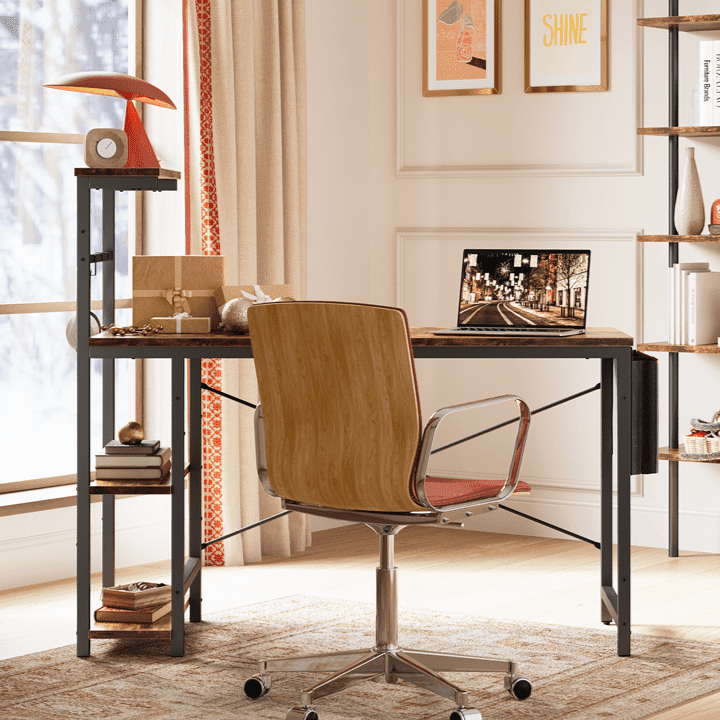
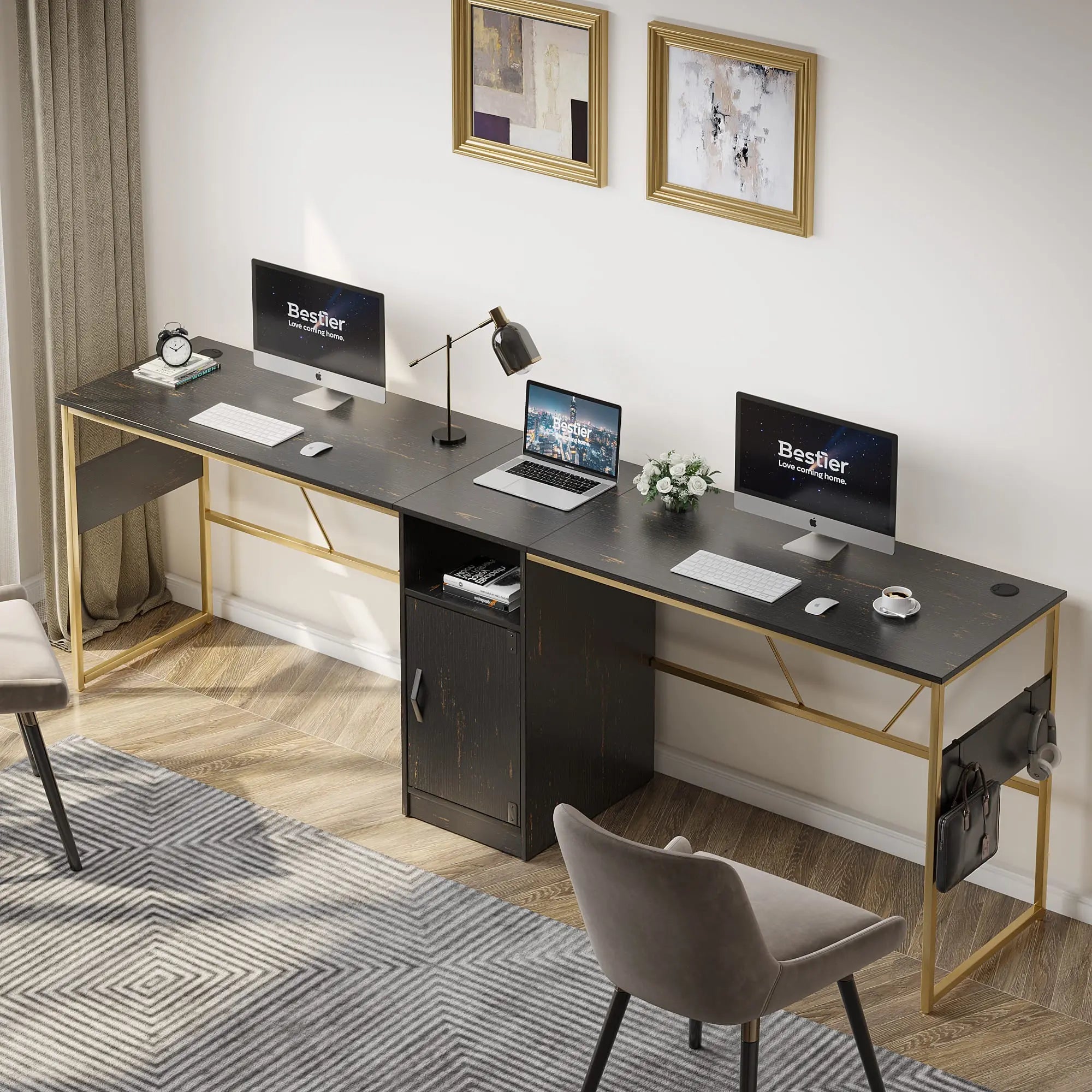
In the modern small room, the workspace often doubles as a gaming station. This "Command Center" requires a layout that balances ergonomics with space efficiency. One of the most effective ways to anchor this zone is by maximizing space with L-shaped desks. By tucking the desk into a corner, you utilize a frequently neglected area and create a natural boundary for your professional or gaming life.
For those with a dedicated focus on performance, the 48-inch LED L-shaped gaming desk offers a compact footprint without sacrificing surface area. The built-in monitor stand and LED lighting help define the zone through visual cues, signaling to your brain that it is time to focus or play.
L-Shaped Desk Placement Logic
Placement is critical. To avoid the "corner trap," follow these rules of thumb:
- Light Source Adjacency: Place one side of the "L" perpendicular to a window to reduce screen glare while providing natural light for video calls.
- Traffic Buffer: Ensure there is at least 36 inches of clearance behind your chair for easy movement.
- Cable Management: In small spaces, visible cables create visual "noise" that makes the room feel cluttered. Use integrated power outlets and cable trays to maintain a clean aesthetic.

Compact Solutions for Ultra-Small Spaces
If your room is exceptionally tight—under 150 square feet—even an L-shaped desk might be too large. In these cases, a straight, high-utility desk is the better choice. A 44-inch gaming desk for small spaces provides enough room for a dual-monitor setup while leaving a smaller footprint. This allows for more "breathing room" in the transition zones between your bed and your workspace.
Furniture Safety and Indoor Air Quality
When living in a small space, you are in closer proximity to your furniture for longer periods. This makes material safety a non-negotiable priority. Many budget-friendly modular furniture pieces are made from engineered wood, which can emit formaldehyde if not properly regulated.
To ensure a healthy living environment, it is vital to understand CARB and TSCA safety standards. As detailed in our comprehensive guide, products meeting CARB Phase 2 and EPA TSCA Title VI standards are tested to ensure they fall below strict emission thresholds. This is especially important in small, poorly ventilated urban apartments where off-gassing can affect indoor air quality more rapidly than in larger homes.
Logic Summary: Safety recommendations are based on EPA and California Air Resources Board (CARB) regulations. These standards are the industry benchmark for reducing exposure to volatile organic compounds (VOCs).
Psychological Impacts of Zoning
Beyond the physical layout, zoning has a profound impact on mental health. In a room where you sleep, work, and eat, the boundaries can blur, leading to "functional fixedness" or burnout.
- Territoriality: Having a "spot" for work helps your brain enter a flow state faster.
- Visual Quiet: Using storage solutions to hide work-related clutter at night helps the brain transition into "sleep mode."
- Sensory Separation: Using different lighting (cool white for work, warm amber for rest) can reinforce these zones without needing physical dividers.
Implementation Checklist: Your Zone Audit
- [ ] Identify your 3 primary activities. (e.g., Sleep, Work, Fitness)
- [ ] Measure your transition paths. Ensure at least 18 inches of walking space between furniture pieces.
- [ ] Check vertical potential. Can you swap a floor lamp for a wall-mounted one? Can you add shelves above your desk?
- [ ] Verify safety certifications. Ensure your new furniture is CARB/TSCA compliant.
- [ ] Test the flow. Live with the layout for 48 hours and adjust based on where you feel "stuck."
Summary of Modular Recommendations
For those looking to build their own zone-based sanctuary, our home office furniture collection provides the building blocks for a productive and safe environment. From L-shaped desks that define corners to compact units for studio living, the key is choosing pieces that grow and adapt with your needs.
FAQ
What is the minimum space required between zones in a small room? For psychological comfort, maintain at least 18-24 inches between zone boundaries. This allows visual separation while maintaining accessibility. In rooms under 150 sq ft, use furniture arrangement rather than physical distance to define zones.
How do I choose between open-plan vs. defined zones in a studio apartment? Consider your daily routine patterns. If you work from home, defined zones reduce cognitive load. Use furniture placement, area rugs, and lighting to create implied boundaries without physical barriers.
What are the most common mistakes in L-shaped desk placement? Placing the desk corner facing away from natural light sources, blocking primary traffic paths, and failing to create distinct "work" and "reference" zones within the L-shape configuration.
How can I ensure engineered wood furniture is safe for small spaces? Look for ISO 7171 certification for stability, check formaldehyde emission ratings (E0 or E1 standards), and ensure the manufacturer complies with EPA TSCA Title VI. Proper anchoring to walls is also recommended for tall units in small spaces.
What lighting strategy works best for zone-based design? Implement a three-layer approach: ambient lighting for the entire room, task lighting for specific zones (like a desk lamp), and accent lighting (like LED strips) to define zone boundaries. Smart lighting can help adjust the mood throughout the day.
How do I create privacy zones without walls? Use bookcases as room dividers, install ceiling-mounted curtains or screens, employ different floor finishes (like area rugs), and vary lighting levels to create "islands" of activity.
What's the optimal furniture scale for zones in small rooms? Furniture should be approximately 2/3 the scale of the zone it occupies. For example, in a 6x6 foot sleeping zone, the bed should be approximately 4x6 feet maximum to allow for movement and visual airiness.
How often should zone arrangements be reevaluated? Every 6-12 months, or whenever lifestyle changes occur (new job, hobby, or family member). Conduct a "zone audit" to ensure arrangements still support your current daily flow efficiently.
References
Government / Standards / Regulators
- EPA TSCA Title VI - Formaldehyde Emission Standards
- California Air Resources Board (CARB) - Airborne Toxic Control Measure
Platform official docs & policies
- ISO 7171:2019 - Furniture — Storage units — Determination of stability
- ISO 16000-9:2006 - Indoor air — Part 9: Determination of the emission of volatile organic compounds
Industry associations / research institutes / market reports
- American Society of Interior Designers (ASID) - Impact of Design on Well-being
- International Interior Design Association (IIDA) - Small Space Trends 2026
Community
- r/SmallSpaces - Community Layout Discussions (Intent only; not authoritative)
- r/InteriorDesign - Zone-Based Design Threads (Intent only; not authoritative)
