



Summary

Carbon fiber desks have become the industry standard for professional gamers in 2026 due to their exceptional durability, high-tech aesthetic, and superior heat resistance. These surfaces offer a unique combination of scratch resistance and structural integrity that traditional wood or laminate desks often lack, making them the ideal foundation for high-performance gaming setups.
Key takeaways
- Superior Durability: Carbon fiber textures provide enhanced protection against scratches, spills, and daily wear compared to standard office finishes.
- Thermal Stability: The material can withstand significantly higher temperatures, preventing warping from high-performance gaming PCs or hot beverages.
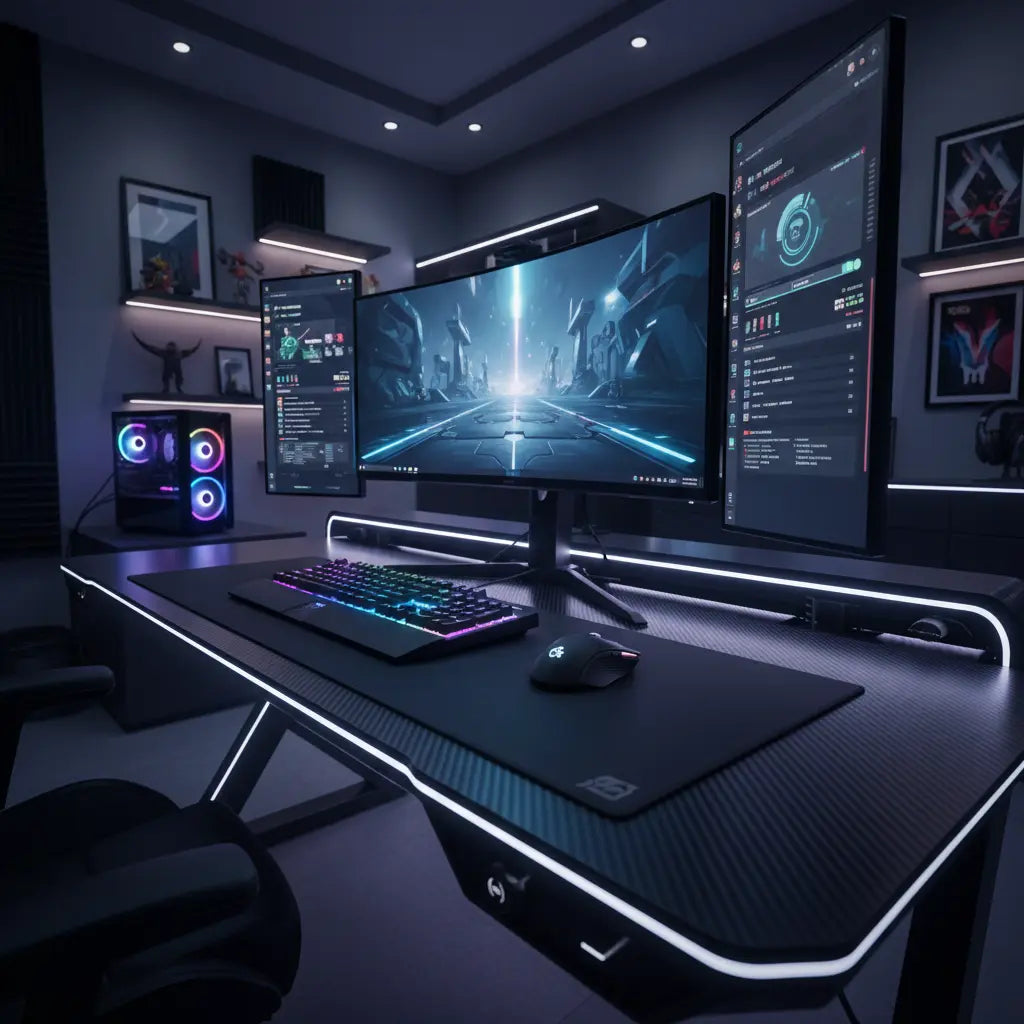
- Aesthetic Appeal: The distinctive weave pattern offers a modern, professional look that complements RGB lighting and high-end peripherals.
- Maintenance Requirements: While highly durable, carbon fiber surfaces require specific pH-neutral cleaning protocols to maintain their finish and prevent resin degradation.
- Safety Standards: High-quality carbon fiber desks adhere to strict CARB and TSCA Title VI standards for formaldehyde emissions, ensuring a safe indoor environment.
The Rise of Carbon Fiber in Professional Gaming
The transition from traditional wooden desks to carbon fiber textures marks a significant shift in how professional gaming environments are designed. In the early days of esports, any flat surface would suffice, but as the stakes have risen, so has the demand for specialized equipment. Pro gamers now prioritize surfaces that not only look the part but also offer functional advantages that can impact their performance and the longevity of their gear.
Carbon fiber, originally developed for aerospace and automotive industries, has found a natural home in the gaming world. Its association with speed, precision, and high-tech engineering resonates with the gaming community. However, the adoption of this material isn't just about branding; it's about the physical properties that make it uniquely suited for the rigors of 12-hour practice sessions and intense tournament play.
Why Material Science Matters for Your Setup
When building a pro gaming setup, the choice of desk material is often overlooked in favor of GPUs and monitors. However, the desk is the literal foundation of your workspace. Traditional laminates can peel over time, and solid wood can be prone to moisture damage or warping. Carbon fiber composites, or high-quality carbon fiber textures applied to engineered wood, provide a more resilient alternative.
Most consumer-grade "carbon fiber desks" utilize a sophisticated PVC or resin-based laminate that mimics the weave and properties of structural carbon fiber. This approach balances cost with performance, providing the tactile and protective benefits of the material without the astronomical price tag of aerospace-grade composites. Understanding this distinction is crucial for gamers looking to invest in a long-term solution.
Logic Summary: Most gaming desks use a carbon fiber texture/laminate rather than solid carbon fiber to keep costs accessible while providing the desired aesthetic and surface durability. This recommendation assumes a standard home or studio environment where impact resistance and heat management are priorities.
Durability and Scratch Resistance: The Carbon Fiber Advantage
One of the primary reasons pro gamers choose carbon fiber is its remarkable resistance to surface damage. In a high-intensity environment, peripherals are moved constantly, and accidental impacts from controllers or headsets are common. A standard wood finish might show "battle scars" within months, but a carbon fiber texture is designed to hide and resist these minor abrasions.
The cross-hatched weave pattern of the texture naturally diffuses light, making small scratches almost invisible to the naked eye. Furthermore, the resins used in high-quality finishes are harder than standard furniture lacquers. This means your 61-inch gaming desk with shelves will maintain its "out of the box" look for much longer, even with heavy daily use.

Heat Resistance and Thermal Stability
High-end gaming PCs generate a significant amount of heat. While most of this is dissipated through fans and liquid cooling, the ambient temperature around the desk can rise, and the chassis itself can become quite warm. Carbon fiber composites are known for their thermal stability, often capable of withstanding continuous temperatures of 150-200°C without deforming.
In contrast, traditional wood products can begin to warp or experience finish degradation at temperatures as low as 60°C. This thermal resilience also makes carbon fiber desks safer for those who keep their hot coffee or tea nearby during long sessions. The material acts as a heat sink, protecting the underlying structure from localized heat stress.
Optimizing Mouse Sensor Performance on Textured Surfaces
A common misconception in the gaming community is that a carbon fiber surface can entirely replace a mouse pad. While modern optical sensors have improved significantly, the repetitive weave pattern of carbon fiber can sometimes cause "jitter" or tracking inconsistencies at extremely high DPI settings.
For professional-level precision, we still recommend using a high-quality desk mat. However, for casual gaming or general productivity, the carbon fiber surface provides a smooth, low-friction experience that is superior to raw wood or cheap plastic. When choosing a desk, consider how the texture interacts with your specific mouse sensor technology.
| Feature | Carbon Fiber Texture | Standard Laminate | Solid Wood |
|---|---|---|---|
| Scratch Resistance | High | Medium | Low |
| Heat Resistance | Excellent | Fair | Poor |
| Aesthetic | High-Tech/Modern | Generic | Classic/Traditional |
| Maintenance | Specific (pH-neutral) | Easy | High (Polishing/Oiling) |
| Tracking Accuracy | Good (Sensor dependent) | Fair | Variable |
Structural Integrity and Weight-to-Strength Ratios
Professional setups often involve multiple monitors, heavy boom arms, and substantial PC towers. This requires a desk with a high weight capacity and minimal "sag" over time. Carbon fiber's modulus-to-weight ratio is significantly higher than that of steel or aluminum, which allows for thinner, lighter desk surfaces that can support more weight.
When integrated with a sturdy steel frame, a carbon fiber-textured desk offers a rock-solid platform that won't wobble during intense mouse movements. For those looking to maximize their available space, ultimate L-shaped gaming desk configurations often utilize these materials to provide expansive surface area without requiring excessive support legs that might interfere with legroom.
Cleaning and Maintenance Protocols for Longevity
To keep a carbon fiber desk looking its best, you must avoid abrasive cleaners. The resin matrix that holds the carbon fiber pattern can be sensitive to harsh chemicals like bleach or ammonia, which may cause clouding or yellowing over time.
Recommended Cleaning Steps:
- Dusting: Use a microfiber cloth to remove loose debris daily.
- Mild Solution: Mix a few drops of pH-neutral dish soap with warm water.
- Wipe Down: Use a damp (not soaking) cloth to wipe the surface in the direction of the weave if possible.
- Dry Immediately: Use a separate dry microfiber cloth to prevent water spots.
Avoid using "all-purpose" sprays that contain wax or silicone, as these can build up in the texture and create a greasy film that attracts more dust and fingerprints.
Integrating RGB and Smart Features Safely
Modern gaming desks are more than just tables; they are integrated tech hubs. Features like built-in LED strips and USB charging ports are standard. However, carbon fiber's conductive properties—while minimal in laminate forms—require careful engineering to ensure electrical safety.
High-quality desks use non-conductive substrates and proper grounding for all integrated electronics. If you are looking to customize your setup further, following a complete RGB lighting integration guide can help you sync your desk's aesthetics with your PC's software without compromising safety or performance.
Environmental Standards and Safety Compliance
As with any piece of furniture, the safety of the materials used is paramount. Most gaming desks are constructed using engineered wood (like MDF or particle board) as the core material, which is then finished with a carbon fiber laminate. It is essential to ensure these products meet strict environmental standards.
At Bestier, we prioritize your health by ensuring our products comply with the California Air Resources Board (CARB) Phase 2 and the EPA TSCA Title VI standards. These regulations limit formaldehyde emissions, ensuring that your gaming room remains a safe environment for long hours of use. For a deeper dive into these regulations, refer to our authoritative guide to CARB and TSCA safety standards.
Logic Summary: This safety guidance is based on current US federal and state regulations. While carbon fiber itself is inert, the adhesives and core materials in the desk must be certified to prevent off-gassing, especially in small, poorly ventilated gaming rooms.
Choosing the Right Carbon Fiber Desk for Your Needs
Selecting the "best" desk depends on your specific requirements. If you have limited space, an ergonomic gaming desk setup guide can help you find a compact model with a monitor riser to maximize vertical space. For those with more room, an L-shaped model provides the ultimate "command center" feel.
Consider the following checklist before purchasing:
- [ ] Dimensions: Does it fit your room and your peripherals?
- [ ] Weight Capacity: Can it support your PC, monitors, and accessories?
- [ ] Features: Do you need built-in power outlets, LED lighting, or headphone hooks?
- [ ] Certification: Is it CARB/TSCA compliant?
- [ ] Surface Texture: Is the carbon fiber finish high-quality and easy to clean?
By focusing on these key factors, you can ensure that your new desk is not just a trend, but a long-term investment in your gaming performance and comfort.
FAQ
Are carbon fiber desks actually made of real carbon fiber? Most consumer gaming desks feature a carbon fiber texture or laminate applied over a sturdy engineered wood core. This provides the aesthetic and surface durability of carbon fiber at a much more accessible price point than solid structural carbon fiber, which is typically reserved for aerospace and high-end automotive applications.
Can I use a mouse directly on a carbon fiber desk? Yes, you can use a mouse directly on the surface, as the texture is designed to be smooth and responsive. However, for professional gaming where pixel-perfect precision is required, we recommend using a dedicated mouse pad or desk mat to ensure consistent tracking across all DPI settings and to prevent long-term wear on the mouse feet.
How do I remove fingerprints from a carbon fiber surface? The best way to remove fingerprints and oils is with a clean microfiber cloth and a small amount of water or a pH-neutral cleaner. Avoid using paper towels, which can be abrasive, or oily furniture polishes that can get trapped in the textured weave and create a dull appearance over time.
Is carbon fiber better than wood for gaming? Carbon fiber textures offer superior scratch and heat resistance compared to traditional wood finishes, making them better suited for the high-tech environment of a gaming setup. While wood offers a classic look, carbon fiber provides a modern aesthetic and functional benefits like easier cleaning and better compatibility with RGB lighting.
Are carbon fiber desks safe for indoor use? Yes, provided they meet safety certifications like CARB Phase 2 and EPA TSCA Title VI. These standards ensure that the materials used in the desk's construction, including the core and the adhesives, do not emit harmful levels of formaldehyde, making them safe for use in homes and offices.
Does the carbon fiber texture interfere with RGB lighting? No, the carbon fiber texture actually complements RGB lighting by providing a matte, non-reflective surface that allows colors to pop without creating distracting glare. Many pro gamers prefer this look as it creates a more immersive and professional-looking environment.
References
Government / Standards / Regulators
- EPA TSCA Title VI - Formaldehyde Standards for Composite Wood Products
- California Air Resources Board (CARB) - Airborne Toxic Control Measure
Platform official docs & policies
Industry associations / research institutes / market reports
- Composite Panel Association (CPA) - Safety and Standards
- Esports Furniture Market Trends 2026 - Industry Analysis
Academic / whitepapers / labs
- Thermal Properties of Carbon Fiber Composites - ResearchGate
- Formaldehyde Off-gassing in Furniture: A Longitudinal Study - Environmental Health Perspectives
Community
- r/GamingSetups - User Discussion on Desk Materials (Intent only; not authoritative)
- r/Esports - Professional Setup Recommendations (Intent only; not authoritative)
