
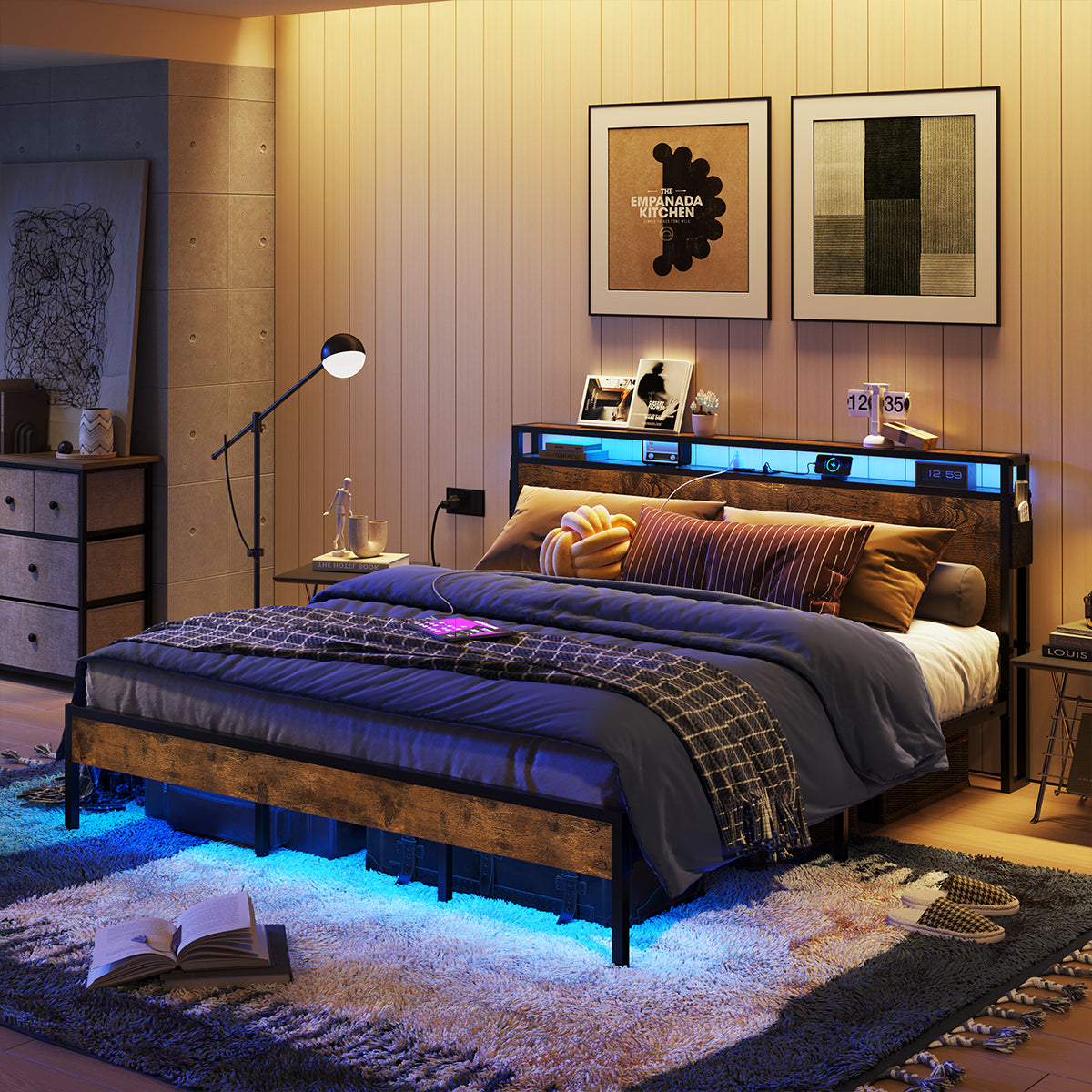
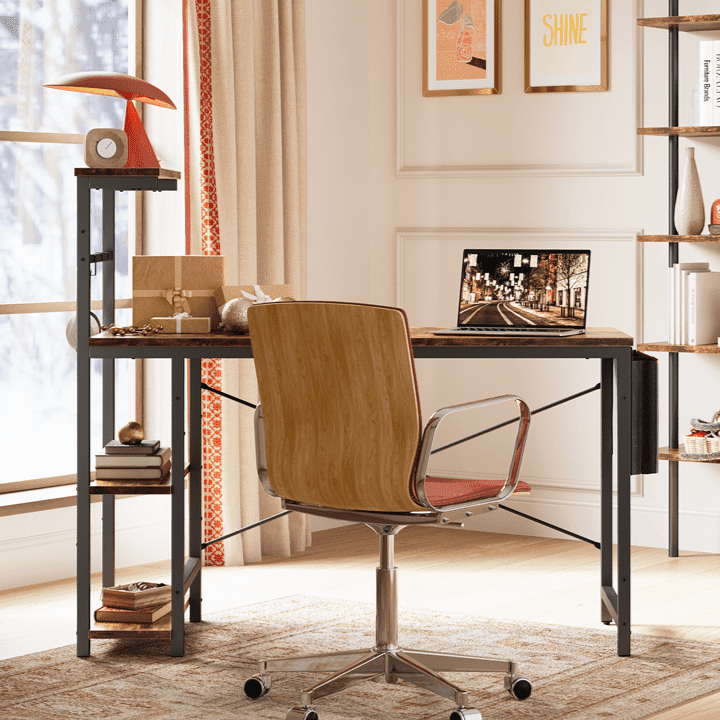
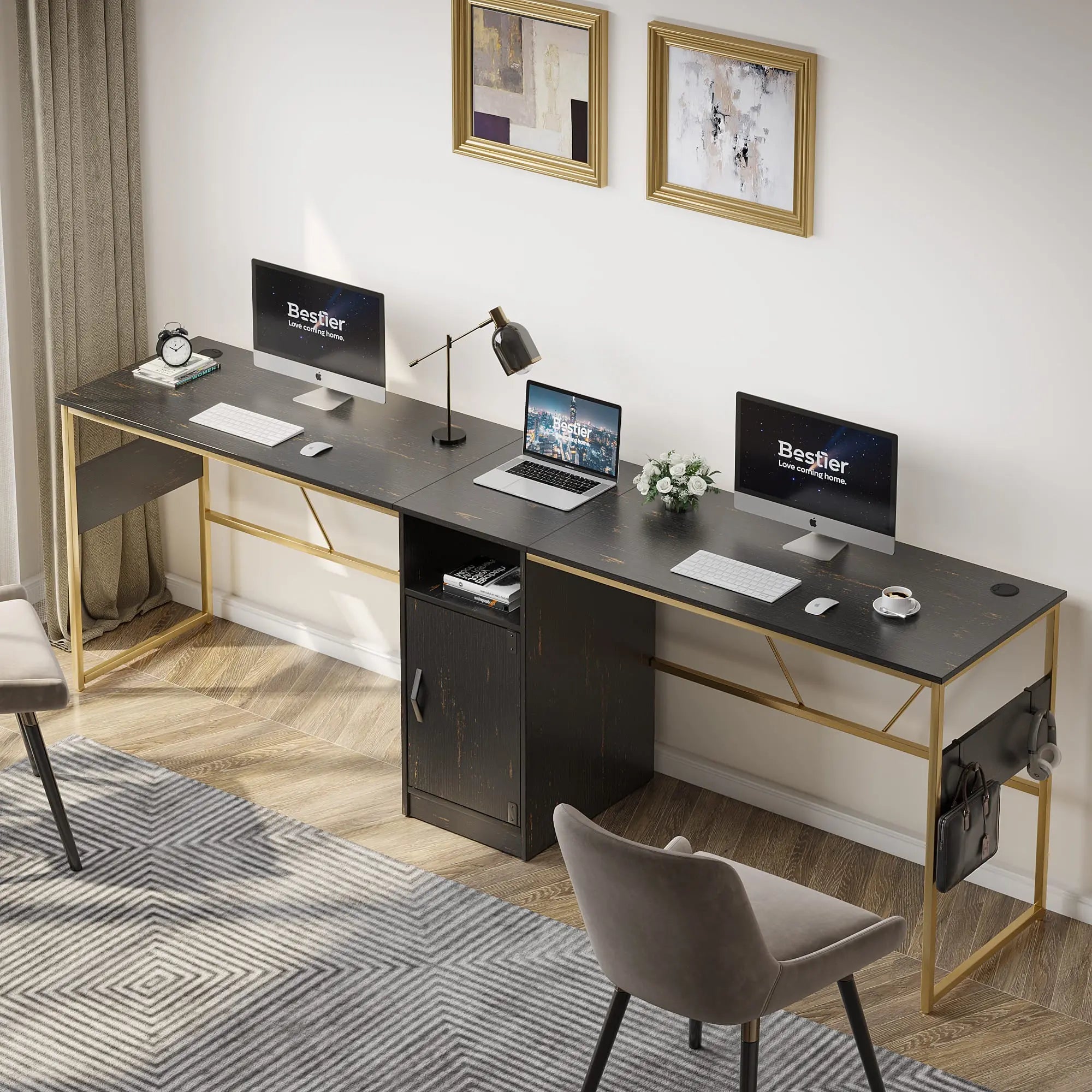

In today's always-connected workspaces, a desk with integrated outlets and USB ports can transform a cluttered setup into a streamlined workstation by keeping essential devices charged without relying on multiple external adapters or dangling cords. For remote workers, gamers, and students in tight spaces, this feature often delivers noticeable convenience when the desk remains in one location and daily charging needs stay moderate.
While the idea of built-in power sounds like an obvious upgrade, its real value depends heavily on your specific setup, device load, and priorities around cable management versus flexibility. Evidence on whether these features meaningfully improve electrical safety remains unresolved, so treat integrated charging primarily as a convenience tool rather than a guaranteed safety solution.
Understanding Integrated Power in Modern Desks
Desks with built-in outlets and USB ports embed a power module directly into the furniture, typically offering a mix of standard AC outlets, USB-A ports, and USB-C connections. This design aims to reduce the need for separate power strips that often create visual clutter or require awkward placement under or behind the desk.
Many models position the charging hub along the back edge, in a grommet, or within a hidden compartment. This keeps cords shorter and more contained, which is particularly helpful for setups involving a laptop, monitor, phone, headset, and accessories like LED lighting. This USB-C integrated desks guide explores wattage thresholds and when these features prove practical in daily use.
However, integrated power is not a universal fix. The module still draws from a single wall outlet, meaning total power draw across all ports must stay within safe limits—typically around 1500W for many consumer models. Exceeding this risks tripping breakers or, in poorly designed units, generating heat.
The Real Benefits: Reduced Clutter and Everyday Convenience
The primary advantage is workflow efficiency. Instead of hunting for wall outlets or managing a tangle of chargers, users can plug devices directly at desk level. This proves especially valuable in small apartments or dorms where wall outlets are scarce.
For remote workers, it means one less power strip competing for floor space under the desk. Gamers appreciate quick access for charging controllers, headsets, and RGB accessories without disrupting the immersive setup. Students benefit from a cleaner study area that supports multiple devices during long sessions.
Cable management improves because shorter runs from devices to the desk reduce visible mess. Many integrated designs also include cable routing channels or grommets that guide cords neatly toward the wall. As noted in discussions around hidden power strip desks, proper thermal safety and outlet spacing contribute to a professional, organized workstation.
Safety Considerations and What to Watch For
Electrical safety remains a top concern when evaluating furniture with built-in power. While many reputable manufacturers incorporate surge protection, overload safeguards, and certified components, the feature itself does not automatically make a desk safer than a quality external power strip.
Key risks include overheating from overloaded circuits, poor internal wiring, or low-quality USB modules that fail over time. Always verify the desk's rated power capacity, look for safety certifications such as UL or ETL on the power module, and avoid exceeding the specified wattage.
This article discusses comfort and setup considerations only. It does not constitute electrical, medical, or safety advice. Integrated power features should comply with local electrical codes, and any concerns about wiring, heat, or persistent issues warrant consultation with a qualified electrician or professional. If your setup involves high-power equipment or you experience any signs of overheating, consult a licensed professional immediately.
Important Safety Boundaries
- This article only discusses setup advice and convenience factors
- It does not replace professional electrical inspection or advice
- Persistent concerns about outlets, heat, or device performance require qualified electrician review
Myth vs Reality: Common Misconceptions About Charging Desks
Several myths surround desks with integrated outlets and USB ports. One frequent claim is that built-in power inherently makes any desk safer. In reality, safety depends on the quality of the electrical module, proper wiring, and adherence to load limits rather than the furniture label alone.
Another misconception is that USB ports fully replace dedicated chargers. Many integrated USB ports provide convenient 5V charging but may lack the wattage for fast charging high-demand devices like recent laptops or tablets. They work best as supplemental convenience rather than primary charging solutions.
Finally, some dismiss the feature as a pure marketing gimmick. When matched to the right usage—stationary desks with moderate daily charging needs—it delivers genuine value in reduced clutter and easier access. The key is matching the desk to your actual workflow rather than assuming the feature solves every power-related problem.
When Integrated Power Delivers the Most Value
Integrated outlets and USB ports tend to shine in specific scenarios. Stationary home offices benefit most when the desk supports a consistent set of devices like a laptop, monitor, and phone. Gaming stations with moderate accessory loads also gain from quick plug-in points without disrupting LED or monitor arrangements.
The feature adds less value when the setup changes frequently, involves very high power draw from multiple monitors and peripherals, or when users prefer easily replaceable external solutions. In those cases, a traditional desk paired with a high-quality surge-protected power strip often proves more flexible.
Consider your room layout and future plans. If you anticipate rearranging the space or expanding your device ecosystem significantly, weigh the permanence of built-in power carefully.
How to Choose and What to Check Before Buying
Use this practical checklist when evaluating a desk with integrated power:
- Verify power ratings: Confirm total wattage (often 1500W) and individual port outputs. Check USB-C PD support if fast charging matters.
- Inspect certifications: Look for UL, ETL, or similar marks on the power module specifically, not just the desk frame.
- Assess placement: Ensure the charging hub location suits your dominant hand and typical device positions.
- Review cable management: Check for grommets, channels, or hidden routing that complements the built-in ports.
- Consider expandability: Determine whether the fixed ports will suffice or if you'll still need external solutions for growth.
- Test durability: Read recent user feedback on port longevity and heat performance under normal loads.
For gaming enthusiasts, models that combine power with LED lighting create cohesive setups. Office users may prefer computer desks with more storage alongside charging features.
Illustrative comparison: integrated outlets vs external power strip
Illustrative comparison: integrated outlets vs external power strip
Illustrative comparison based on common usage patterns; higher scores mean better fit for the scenario or criterion.
View chart data
| Category | Integrated outlets/USB ports | Traditional desk + external power strip |
|---|---|---|
| Stationary low-load remote work | 9.0 | 7.0 |
| Gaming setup with many accessories | 5.0 | 8.0 |
| Student dorm / shared room | 8.0 | 6.0 |
| Frequent reconfiguration / moving desk | 3.0 | 9.0 |
| Cable-tidy priority | 9.0 | 6.0 |
| High-draw equipment / multiple chargers | 3.0 | 8.0 |
Heuristic comparison derived from the provided decision framework: integrated power tends to add convenience and reduce clutter for stationary, light-to-moderate load setups; it is less attractive when the setup is frequently rearranged, high-draw, or needs easy replacement/flexibility. Safety is not scored as a proven benefit; only convenience and fit are illustrated.
The chart illustrates relative convenience fit across common scenarios. Scores represent heuristic modeling based on typical usage patterns and are not derived from laboratory testing. Stationary, lower-load setups tend to favor integrated designs for tidiness, while high-flexibility or high-draw needs often suit external power strips better.
Popular Options and Setup Ideas
Bestier offers several models featuring integrated power tailored to different needs. The Bestier 63" Farmhouse L Shaped Desk with Charging Station combines office practicality with a built-in hub containing multiple outlets and USB ports. Gaming-focused options like the 57-inch L-shaped Gaming Desk with RGB Lights and Outlets integrate power alongside immersive lighting.
For more compact spaces, consider L-shaped desks that maximize corner usage while incorporating charging. Standing desk users can explore height-adjustable models with power features in the standing desk collection.
Pair your choice with thoughtful cable management practices. Route cords through desk grommets, use velcro ties, and position the desk near a dedicated wall circuit when possible. This dual-purpose gaming and work setup guide provides practical layouts that work for both productivity and entertainment.
Making the Decision for Your Space
Ultimately, a desk with integrated outlets and USB ports can be a worthwhile investment when it aligns with stationary use, moderate power needs, and a desire for cleaner aesthetics. It rarely replaces the need for thoughtful power management entirely, but it can significantly reduce daily friction in the right environment.
Evaluate your current device load, how often you rearrange your space, and whether the premium for integrated power fits your budget compared to a standard desk plus a good power strip. Prioritize models with transparent specifications and recognized safety certifications.
By focusing on real usage scenarios rather than hype, you can select a desk that genuinely powers up your productivity and gaming sessions while maintaining a tidy, efficient workspace. Consider your room conditions and typical device mix carefully before deciding—the most convenient choice is the one that matches how you actually work and play.


