
Summary
An optimal ASMR desk setup prioritizes structural stability and material acoustics to eliminate unwanted noise while enhancing intentional sound triggers like tapping and scratching. In 2026, professional creators favor high-density materials like carbon fiber or engineered wood for their specific resonance profiles and vibration-dampening properties.

Key takeaways
- Acoustic Damping: Choose high-density materials like MDF or carbon fiber to minimize hollow echoes and provide a "warm" response for tapping triggers.
- Structural Rigidity: Prioritize desks with reinforced frames and adjustable leveling feet to prevent micro-vibrations that sensitive ASMR microphones easily detect.
- Surface Texture: Opt for matte or textured finishes to reduce studio light glare and provide tactile feedback for scratching and sliding triggers.
- EMI Management: Organize power and audio cables separately to prevent electromagnetic interference and audible hum in high-gain recording environments.
- Safety Standards: Ensure your studio furniture meets engineered wood safety standards for desk materials to maintain air quality in enclosed recording spaces.
Why Your Desk is the Most Important Instrument in Your ASMR Studio
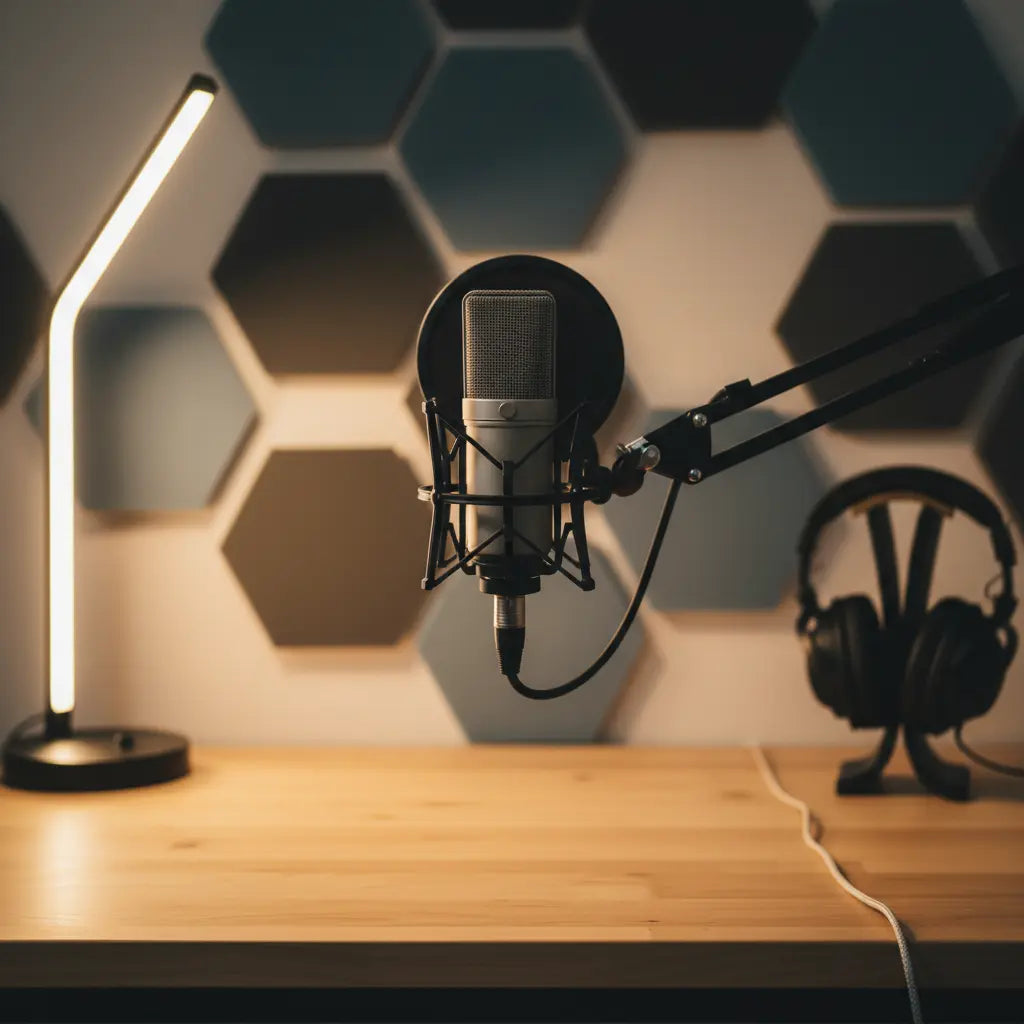
In the world of ASMR (Autonomous Sensory Meridian Response), the environment is not just a backdrop; it is a primary component of the soundscape. While most creators focus heavily on microphones and preamps, the furniture supporting that gear often dictates the baseline "noise floor" of a recording. A desk that creaks when you shift your weight or rings like a bell when you tap it can ruin a perfect take.
As we move through 2026, the standard for "pro-sumer" content has shifted. Audiences now expect ultra-low noise floors and high-fidelity textures. This means your desk must do more than just hold your monitors; it must act as a vibration isolator and an acoustic resonator. Whether you are performing "inaudible whispering" or high-energy "tapping," the structural integrity of your workspace is the foundation of your content's quality.
Acoustic Properties of Common Desktop Materials
The material of your desktop significantly influences the "color" of the sounds you produce. Different materials have different densities and internal damping characteristics, which affect how sound waves travel through them.
Carbon Fiber vs. Wood Grain: The Tapping Test
Carbon fiber has become a favorite in the creator community for its sleek aesthetic and high stiffness-to-weight ratio. However, from an acoustic perspective, carbon fiber can be quite "bright." When tapped, it often produces a sharp, high-frequency "ping" that may require post-processing to soften.
In contrast, wood grain finishes—particularly those over high-density engineered wood—offer a "warmer" and more "thuddy" sound. This is often preferred for traditional ASMR triggers because it mimics the natural sounds of everyday objects. If you are looking for essential desk features for audio-focused content creation, the acoustic signature of the surface should be your first consideration.
The Science of Damping: Why MDF Often Outperforms Solid Wood
While solid wood is often seen as a premium choice, medium-density fiberboard (MDF) is frequently superior for ASMR. Solid wood is an anisotropic material, meaning its properties vary with the grain, and it can ring or resonate at specific frequencies. MDF, being a homogeneous composite, provides excellent internal damping. It absorbs vibration energy rather than reflecting it, resulting in a cleaner, more controlled sound.
Logic Summary: This recommendation assumes the use of high-gain condenser or binaural microphones (e.g., 3Dio or Neumann KU100). For creators using dynamic microphones with lower sensitivity, the material difference may be less pronounced but still relevant for tactile triggers.
When selecting engineered wood products, it is vital to consider indoor air quality, especially in small, soundproofed studios with limited ventilation. Referencing the professional home studio design principles can help you balance acoustic needs with health standards like CARB Phase 2 and EPA TSCA Title VI.

Eliminating Structural Vibrations and Creaks
The most common "audio killer" in ASMR isn't background noise from outside; it's structural vibration transmitted through the desk. This includes the hum of a PC fan, the vibration of an HVAC system, or even the micro-movements of an overhead camera arm.
Engineering a 'Rock-Solid' Foundation
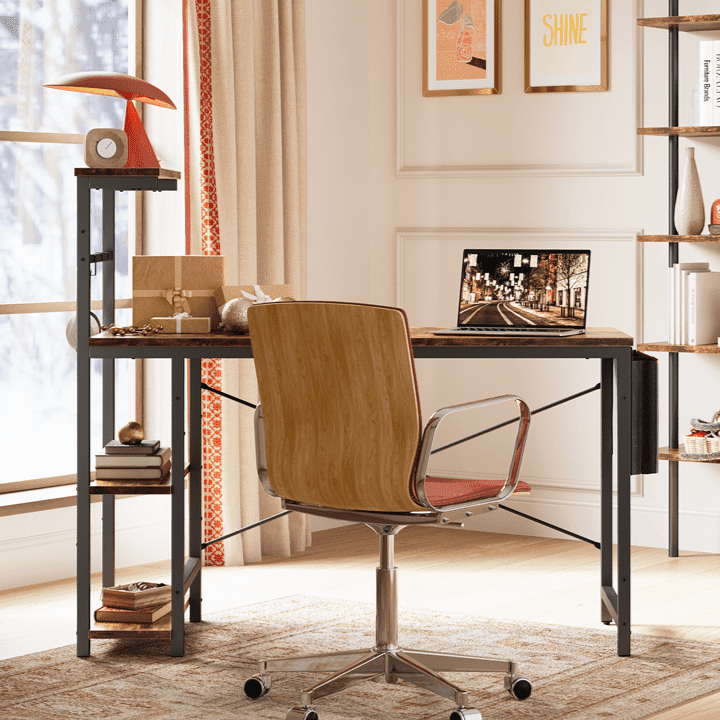
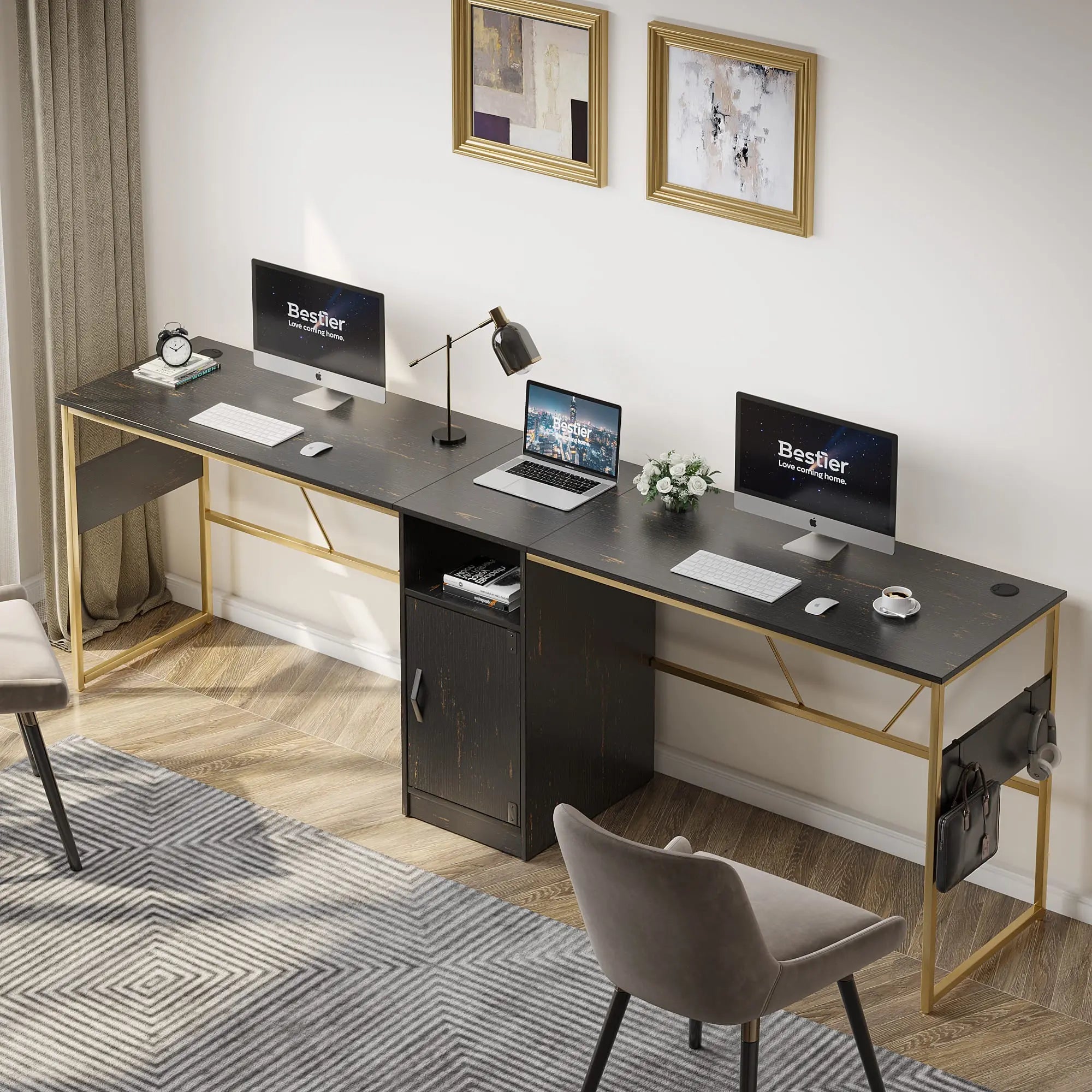
A desk for ASMR must be "dead" to vibration. This is achieved through mass and rigidity. Desks with K-shaped or X-shaped steel frames provide better lateral stability than simple four-legged designs. For creators who frequently switch between sitting and standing, an adjustable height standing desk with integrated charging offers the flexibility needed for different camera angles while maintaining a heavy, stable base.
How to Fix a Wobbly Desk for Sensitive Mics
Even the best desks can develop wobbles over time, especially if they are moved frequently. For an ASMR creator, a wobble isn't just an annoyance—it's a recording-ending event. Implementing techniques for improving desk stability for sensitive audio recording is essential. This includes ensuring all bolts are tightened to specific torque levels and using adjustable leveling feet to compensate for uneven flooring.
Managing Electromagnetic Interference (EMI) in Complex Setups
One of the most significant "SERP gaps" in current setup guides is the management of Electromagnetic Interference (EMI). ASMR setups often involve a high density of electronics: LED panels, multiple monitors, audio interfaces, and high-powered PCs.
When audio cables run parallel to power cables, they can pick up a 60Hz hum (or 50Hz depending on your region) that is incredibly difficult to remove in post-production. To avoid this, use a desk with integrated cable management trays that allow you to separate power and signal lines. Crossing power and audio cables at 90-degree angles, rather than running them side-by-side, significantly reduces the risk of induction hum.
Optimizing the Visual Experience: Glare and Texture
While ASMR is primarily an auditory medium, the visual component is crucial for engagement on platforms like YouTube and TikTok. The surface of your desk acts as the "stage" for your triggers.
- Matte vs. Glossy: High-gloss surfaces reflect studio lights, creating "hot spots" that can be distracting for viewers and may even cause camera sensors to overexpose. A matte carbon fiber or dark wood finish provides a much more professional, cinematic look.
- Tactile Texture: For "scratching" triggers, the micro-texture of the surface matters. A slightly textured laminate can produce a rich, complex sound that a perfectly smooth surface cannot.
- Modular Layouts: Using modular furniture solutions for content creators allows you to reconfigure your "stage" for different types of content, from top-down "desk play" to face-cam storytelling.
ASMR Desk Selection Checklist
Use the following table to evaluate potential desks for your ASMR studio.
| Feature | Requirement for ASMR | Why it Matters |
|---|---|---|
| Frame Material | Heavy-duty Steel (K/X/T-Shape) | Prevents lateral movement and micro-vibrations. |
| Surface Material | High-Density MDF or Carbon Fiber | Provides optimal damping and specific tapping resonance. |
| Surface Finish | Matte or Low-Sheen Texture | Reduces glare from studio lights and enhances visual triggers. |
| Cable Management | Dual-Channel or Wide Trays | Allows separation of power and audio cables to prevent EMI. |
| Leveling Feet | Independent Adjustment | Ensures a rock-solid foundation on any floor type. |
| Weight Capacity | 150+ lbs (even for small desks) | Higher mass usually correlates with better vibration damping. |
FAQ
What is the best desk material for ASMR tapping sounds? The "best" material depends on the specific sound profile you want to achieve. High-density MDF (Medium-Density Fiberboard) is generally considered the gold standard for a "warm," damped sound that mimics natural wood without the unwanted resonance of solid timber. Carbon fiber is excellent for creators who want a "sharper," more modern tapping sound with a distinct high-frequency click.
How do I stop my desk from creaking during ASMR recordings? Creaking is usually caused by friction between two parts of the desk frame or between the desktop and the frame. To eliminate this, ensure all assembly bolts are tightened firmly. You can also apply a small amount of silicone lubricant to the joints where metal meets metal or use felt pads between the desktop and the frame to act as a buffer.
Does desk color affect ASMR video quality? Yes, desk color significantly impacts the visual "mood" and technical quality of your video. Darker colors (black, dark walnut, charcoal) are popular because they make the "props" or triggers in your hands stand out more clearly. Additionally, dark, matte surfaces help prevent light bounce-back, which can wash out your skin tones or create unwanted shadows on your face.
Can I use a glass desk for ASMR? Glass is generally discouraged for ASMR unless you are specifically looking for the high-pitched, resonant "clink" of glass tapping. Glass is highly reflective (causing lighting issues), shows fingerprints easily, and has very low internal damping, meaning it will transmit every vibration from your computer or floor directly into your microphone.
How important is a monitor arm for an ASMR setup? A monitor arm is highly recommended because it clears up desk space for your triggers and, more importantly, decouples the monitor's weight from the main surface. However, ensure the arm is high-quality and rigid; a cheap, bouncy monitor arm can create visual "shake" in your camera if you tap the desk too hard.
Should I choose an L-shaped desk for my ASMR studio? An L-shaped desk is excellent for creators who also stream or do "office work" at the same station. It allows you to have a dedicated "recording zone" on one side with your microphones and acoustic treatment, and a "tech zone" on the other for your PC and monitors. This separation helps in managing cable interference and keeping your recording area clutter-free.
References
Government / Standards / Regulators
- EPA TSCA Title VI - Formaldehyde Emission Standards for Composite Wood Products
- California Air Resources Board (CARB) - Composite Wood Products ATCM
Platform official docs & policies
- YouTube Creator Academy: Audio Production for Video (General guidance on noise floors and equipment)
Industry associations / research institutes / market reports
- Acoustical Society of America (ASA) - Standards on Noise and Vibration
- BIFMA (Business and Institutional Furniture Manufacturers Association) - Stability Standards
Academic / whitepapers / labs
- Research on Internal Damping of Composite Materials (Search for "MDF vs Carbon Fiber Acoustic Damping")
- The Physics of ASMR: Acoustic Triggers and Physiological Responses (Intent only; not authoritative for furniture specs)
Community
- r/ASMR_Creators - Desk Setup Megathread (Intent only; not authoritative)
- ASMR University - The Craft of ASMR Recording (Intent only; not authoritative)
