
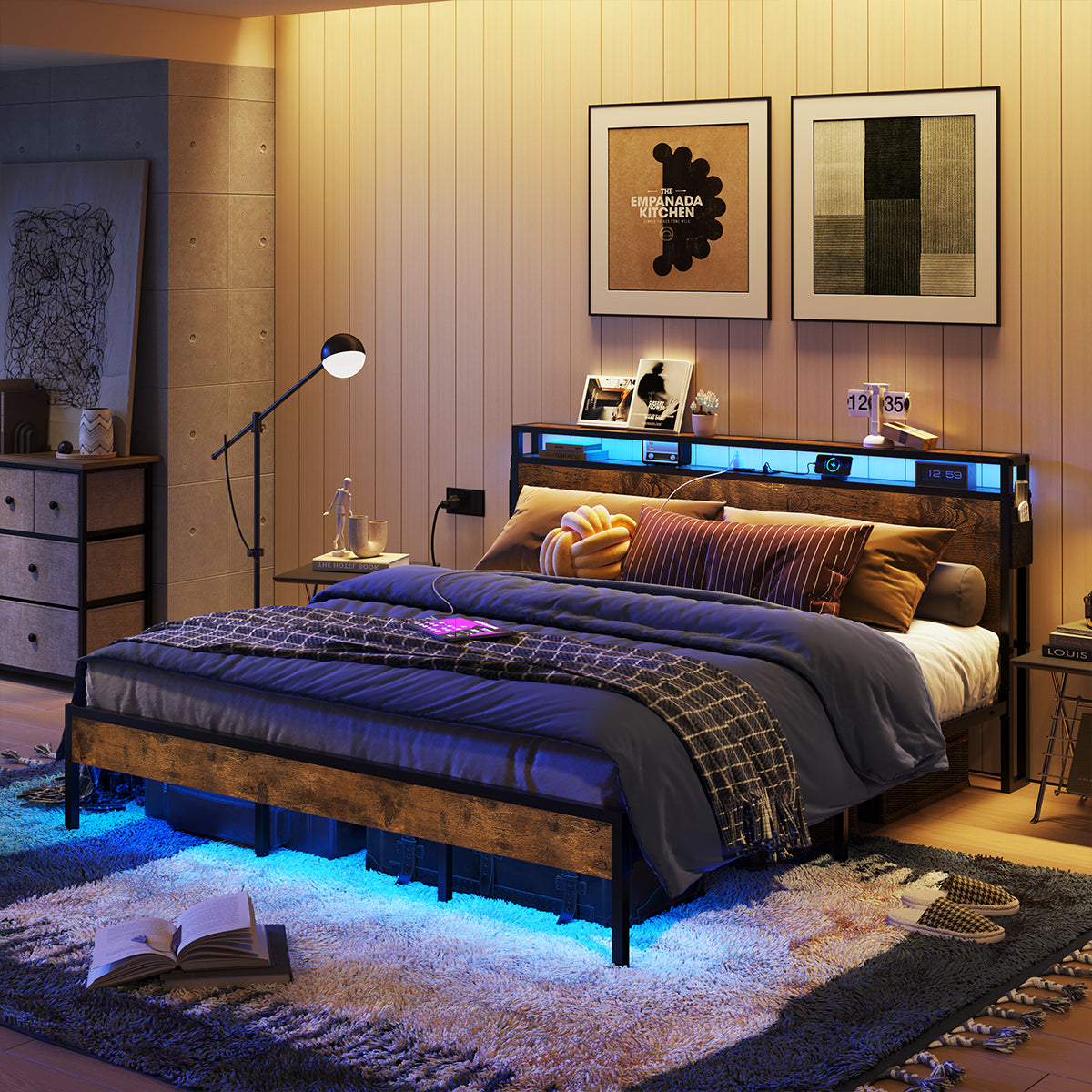



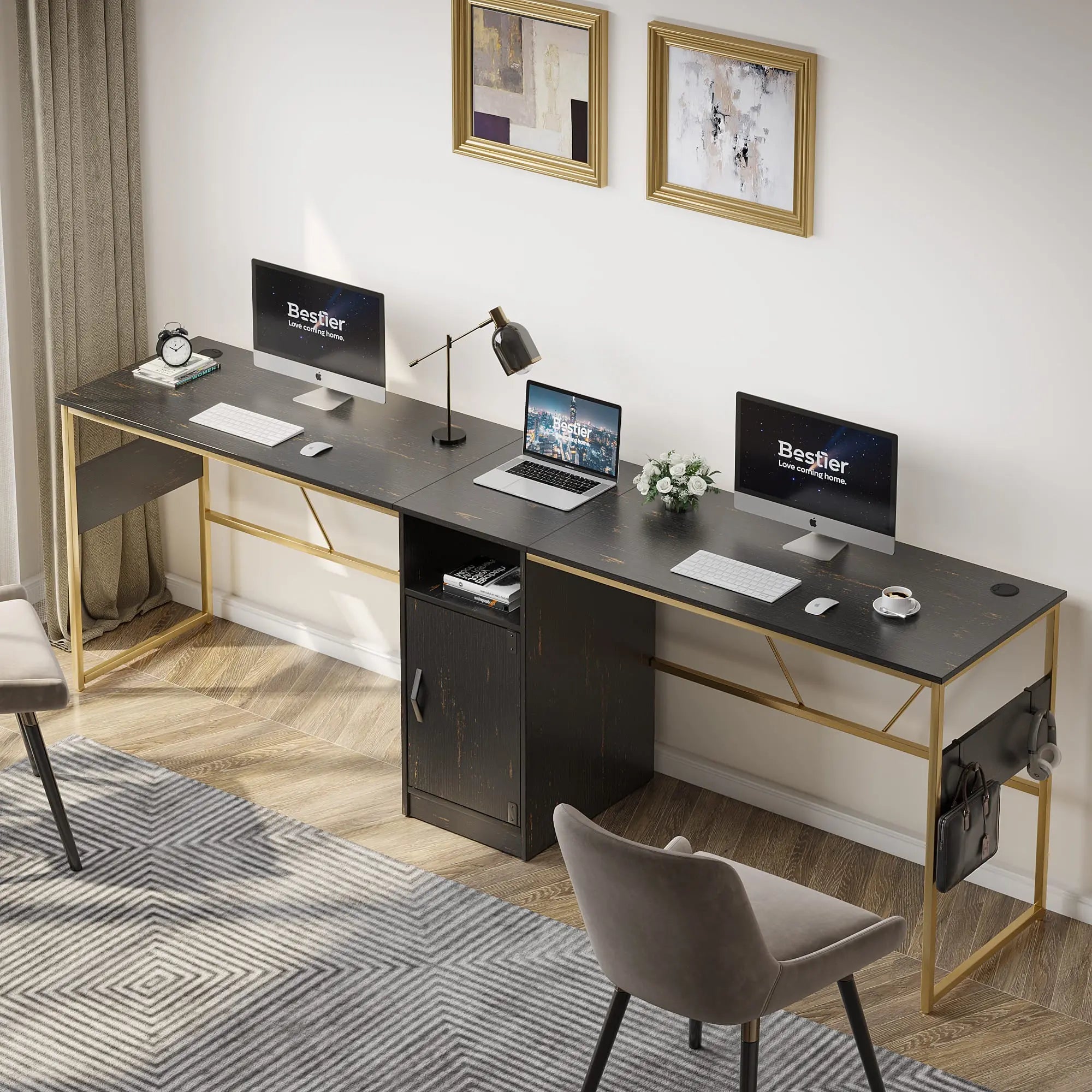

Cable management transforms a cluttered gaming or creator desk into a clean, functional workspace that improves focus, safety, and daily usability. The right routing strategy depends on your cable load, how often you rearrange equipment, and whether your desk has built-in features like trays or grommets.

Effective desk wire routing starts with planning routes that keep power and data cables separated, avoid sharp bends, and maintain easy access to plugs. Whether you are building a new gaming battle station or upgrading a messy home office setup, a structured approach prevents tangles, reduces strain on connectors, and keeps power bricks out of sight without compromising airflow.
Why Cable Management Matters for Gamers and Creators
Visible cables create visual noise that distracts during intense gaming sessions or streaming. More importantly, poor routing can lead to tripped cords, accidental unplugging of critical peripherals, or heat buildup around power adapters. Built-in cable management features can help reduce visible clutter and make it easier to keep a setup organized.
For PC gamers and content creators managing multiple monitors, RGB lighting, microphones, capture cards, and charging cables, clean routing becomes essential. It also supports better ergonomics by keeping the desktop surface free of cord loops that catch on arms or mice.
Clean cable routing is often treated as part of a broader desk-setup optimization approach. In 2026, many desks incorporate power outlets, USB ports, and dedicated channels precisely because users demand both performance and aesthetics.
Common Cable Management Myths vs Reality
Many enthusiasts believe that hiding every wire equals success. In practice, the better rule is to manage cables for safety and serviceability first, because a perfectly hidden setup can still create overload risk, blocked airflow, or strain on connectors.

Here are the most persistent myths:
- Myth: If the cables are hidden, the setup is safe. Reality: Hidden cables can still overload power strips, trap heat, or create strain at plugs and connectors.
- Myth: A special desk solves cable management by itself. Reality: The desk only helps if it supports access, routing space, and power-brick placement; otherwise the same clutter reappears underneath.
- Myth: Perfect cable length is always achievable. Reality: In many setups, some slack is needed for movement and maintenance, while too much slack increases tangling and visible clutter.
- Myth: Cable management is just about looks. Reality: It also affects airflow, unplugging risk, connector strain, and how easy it is to clean or reconfigure the desk.
This distinction helps readers prioritize practical outcomes over purely cosmetic results.
Planning Your Desk Wire Routing: A Constraint-First Filter
The biggest information gain comes from first determining whether your setup needs a desk upgrade, simple routing fixes, or safety-focused adjustments. Not every desk or room allows full concealment without creating new problems.
Use this decision framework before buying accessories or drilling holes:
- If your desk is fixed, used daily, and can accept under-desk hardware, prioritize cable trays, grommets, and power-brick hiding features.
- If your desk is frequently reconfigured, shared, or moved, prioritize flexible routing, short cable runs, and easy-access power distribution over permanent concealment.
- If cables must cross high-traffic areas, sit under foot paths, or bend tightly behind the desk, treat it as a safety and strain issue first, not an aesthetics issue.
- If airflow, device access, or frequent unplugging matters, do not over-optimize for hidden cables at the expense of maintenance access.
This filter helps gamers and remote workers avoid frustration by matching methods to real usage patterns.
Essential Tools and Materials for Effective Cable Management
Start with the basics: zip ties, Velcro straps, adhesive cable clips, and under-desk cable trays. For more permanent solutions, consider cable sleeves, grommets, and raceway channels that mount to the desk frame or wall.
Power strips with surge protection should be secured in a rigid tray rather than dangling. Separate power runs from data cables to minimize electromagnetic interference and reduce strain on connectors.
For LED gaming desks, choose heat-resistant materials and avoid mounting clips directly on light strips. Many creators also use hook-and-loop mounts on the back edge of the desk for quick adjustments.
Step-by-Step Guide to Routing Wires on Any Desk
-
Map your devices and power needs. List every cable and note its destination. Group power bricks together away from the main work surface.
-
Choose entry and exit points. Use existing grommets or drill new ones near monitor arms and peripheral clusters. Route cables through the desk rather than over the edge when possible.
-
Install under-desk organization. Mount a cable tray or spine along the rear or underside. Run power cables along one side and data cables along the other.
-
Secure and bundle. Use Velcro for bundles that may need future changes. Avoid over-tightening zip ties, which can damage insulation or create strain.
-
Hide power bricks. Attach bricks to the underside of the desk or to a vertical leg using adhesive mounts or brackets. Keep them elevated and ventilated.
-
Test access and safety. Plug and unplug each device multiple times. Ensure no cords are pinched and that the power strip remains reachable.
Route cables so frequently used plugs remain accessible and cords are not sharply bent or strained. This simple habit prevents long-term wear and accidental disconnects.
Choosing the Best Desk for Wire Management in 2026
For setups with multiple peripherals, a cable tray, grommet, or rear wire channel is a useful desk feature. Look for models with integrated power outlets, multiple USB ports, and dedicated channels that keep cords off the floor.
L-shaped gaming desks often provide more routing options because the corner creates natural hiding space. Desks with monitor stands and storage shelves also reduce desktop clutter that would otherwise compete for cable paths.
When evaluating desks, check the size and placement of grommets, the depth of any under-desk tray, and whether the design allows easy installation of aftermarket cable management accessories.
This reversible L-shaped gaming desk with power outlets demonstrates integrated power and multiple routing points that simplify cable management for both gamers and home office users.
Safety Considerations and What to Avoid
Poorly managed power and airflow can create avoidable safety risks. Never overload power strips or completely enclose power bricks in ways that block ventilation. Keep cables away from heat sources and ensure nothing rests on or compresses cords.
Important Safety Boundary: This article discusses comfort and setup advice only. It does not constitute electrical, medical, or safety advice. Overloaded circuits, damaged insulation, or blocked ventilation can create fire or equipment hazards. If you experience persistent issues with power delivery, heat, or equipment behavior, consult a qualified electrician or the manufacturer of your devices. For users with existing health conditions or sensitive equipment, professional assessment is recommended.
Cable Management Hacks for LED Gaming Desks and Creator Setups
LED-equipped desks require extra care because light strips and controllers add more wiring. Use the techniques in our companion guide to 5 cable management hacks for LED gaming desks that address material-specific mounting and L-shaped routing.
Streamers and content creators benefit from modular approaches. Check our ultimate creator studio guide for integrated mounts and power management that scale with growing gear lists.
Additional practical tricks appear in pro cable management tricks for a clean gaming setup, which emphasizes under-desk trays and strategic clip placement to boost both airflow and aesthetics.
Visualizing Cable Management Fit Across Different Setups
Different desk scenarios favor different approaches. The radar chart below illustrates heuristic trade-offs across five common setup types using illustrative scores (1-10 scale). These values are directional guidance synthesized from practical constraints and should not be read as measured performance data.
Desk Cable Management Fit by Scenario
Illustrative heuristic comparison for choosing a cable-management approach by setup needs; not official measured data.
View chart data
| Series | Clutter reduction | Safety | Access ease | Airflow | Setup simplicity |
|---|---|---|---|---|---|
| Fixed home office | 7.0 | 8.0 | 6.0 | 7.0 | 6.0 |
| Gaming / multi-monitor | 8.0 | 7.0 | 5.0 | 6.0 | 4.0 |
| Creator desk | 7.0 | 7.0 | 7.0 | 5.0 | 5.0 |
| Reconfigurable desk | 6.0 | 6.0 | 9.0 | 8.0 | 8.0 |
| Integrated-power desk | 9.0 | 8.0 | 7.0 | 9.0 | 9.0 |
Illustrative 1-10 heuristic scores synthesized from the guide's constraint-first rules: prioritize safety over hiding every cable; trays and grommets fit multi-peripheral loads; external power bricks are better kept off the surface; frequent-access and airflow-blocked setups should avoid over-enclosed routing. Scores are directional, not measured.
Higher scores indicate better relative fit for that factor within each scenario. Integrated-power designs tend to score well overall because they reduce external adapters, while reconfigurable setups prioritize access and simplicity.
When to Upgrade Your Desk or Add Aftermarket Solutions
If your current desk lacks any routing features and you frequently fight cable chaos, consider models designed with integrated power and storage. However, do not buy a desk for cable management alone if you have a high cable load, need frequent access, or if routing would block ventilation.
Aftermarket solutions like adhesive trays, magnetic mounts, and sleeving kits can transform many standard desks without a full replacement. Budget creators may start with basic clips and Velcro before investing in premium channels.
Our TikTok studio setup guide offers budget-friendly routing ideas suitable for small spaces and growing creator setups.
Maintenance Checklist for Long-Term Cable Organization
- Inspect all cables and connections every three months for wear or looseness.
- Re-bundle any loose groups and replace damaged zip ties or straps.
- Vacuum under the desk to prevent dust buildup around power bricks.
- Test surge protectors and replace them according to manufacturer guidelines.
- Update routing when adding new devices rather than forcing new cables into existing paths.
This ongoing habit keeps your setup safe and attractive for years.
Final Thoughts on Achieving a Distraction-Free Desk
Mastering desk wire routing delivers both aesthetic satisfaction and practical benefits. By combining thoughtful planning, appropriate desk features, and safety-first habits, you can create a workspace that supports peak performance whether you game, stream, or work from home.
Remember that the optimal solution depends heavily on your specific room conditions, device count, and usage patterns. Start with the constraint-first filter, apply the myth-versus-reality lens, and choose methods that balance cleanliness with accessibility and safety. The result is a clean, professional setup that enhances focus and reduces daily frustration.
This article only discusses comfort and setup advice. It does not constitute medical, electrical, or safety advice. If you have persistent discomfort, equipment issues, or questions about electrical safety, consult qualified professionals.
