
Summary
Repurposing a bakers rack as an entryway mudroom station is a highly effective strategy for maximizing vertical storage in small apartments and narrow hallways. By leveraging the multi-tiered shelves and side-hanging capabilities of a standard bakers rack, you can create a dedicated "drop zone" for shoes, coats, and daily essentials without the bulky footprint of traditional entryway furniture. This creative adaptation allows urban dwellers to maintain an organized home while utilizing furniture that can easily transition between rooms as needs evolve.
Key takeaways
- Vertical Efficiency: Bakers racks utilize vertical wall space, making them ideal for small apartment entryway storage hacks where floor space is limited.
- Zonal Organization: Assign specific shelves for shoes, mail, and seasonal gear to maintain a clutter-free "landing zone" near your front door.
- Weight Awareness: Distribute heavy winter gear and boots on lower shelves to maintain stability and prevent peak-load tipping in high-traffic areas.
- Safety First: Always secure your repurposed bakers rack to the wall using a tip-restraint kit, especially in homes with children or pets, to meet modern safety expectations.
- Material Standards: Prioritize furniture that meets CARB Phase 2 and TSCA Title VI standards to ensure healthy indoor air quality in confined entryway spaces.
Why a Bakers Rack is the Ultimate Small Entryway Storage Hack
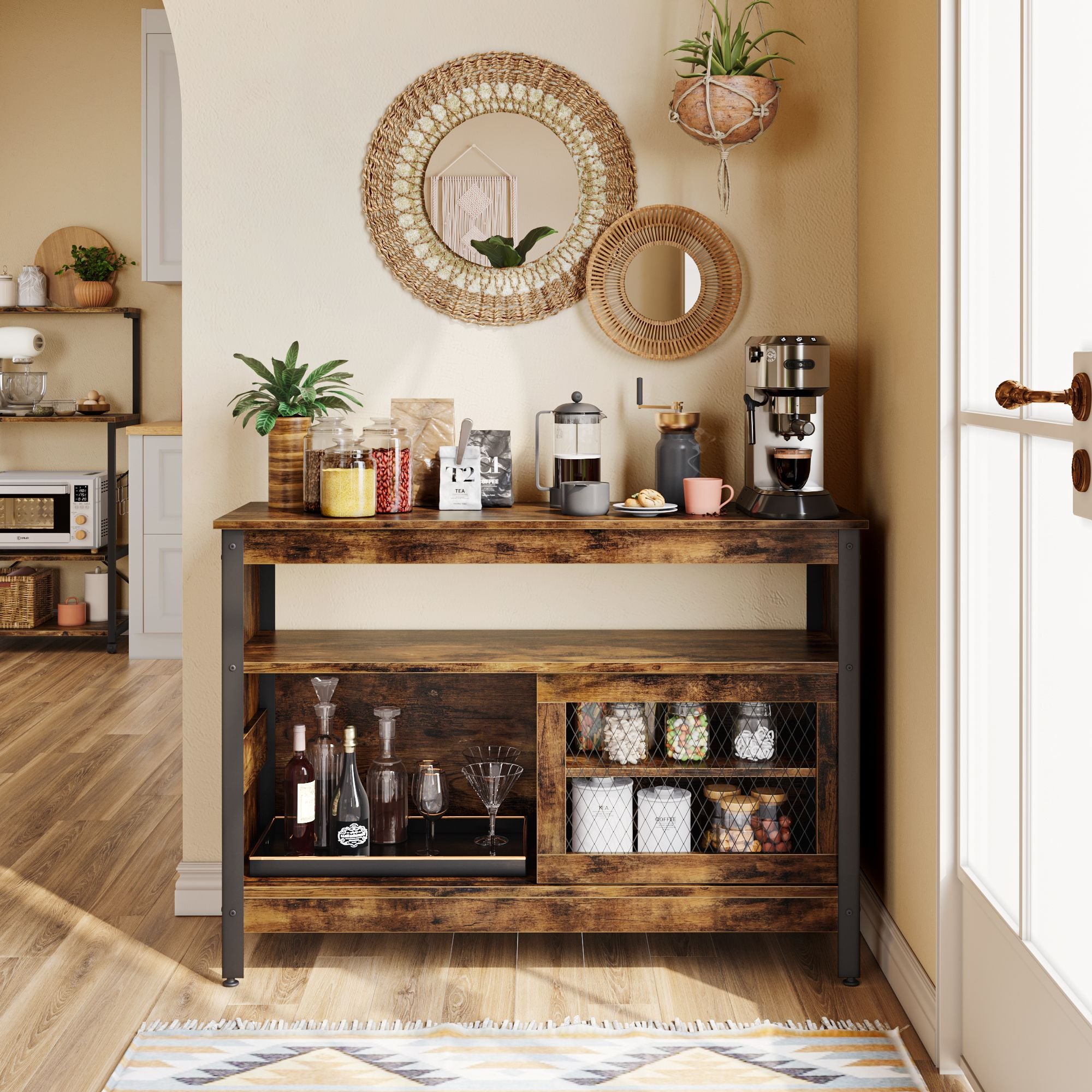
In the landscape of 2026 urban living, the "mudroom" has evolved from a dedicated room in suburban homes to a functional "zone" in city apartments. Traditional mudroom benches often require a deep footprint that many narrow hallways simply cannot accommodate. This is where the bakers rack shines as a versatile alternative. Originally designed for kitchen cooling and storage, its slim profile and open-shelf design make it a perfect candidate for creative bakers rack uses beyond the kitchen.
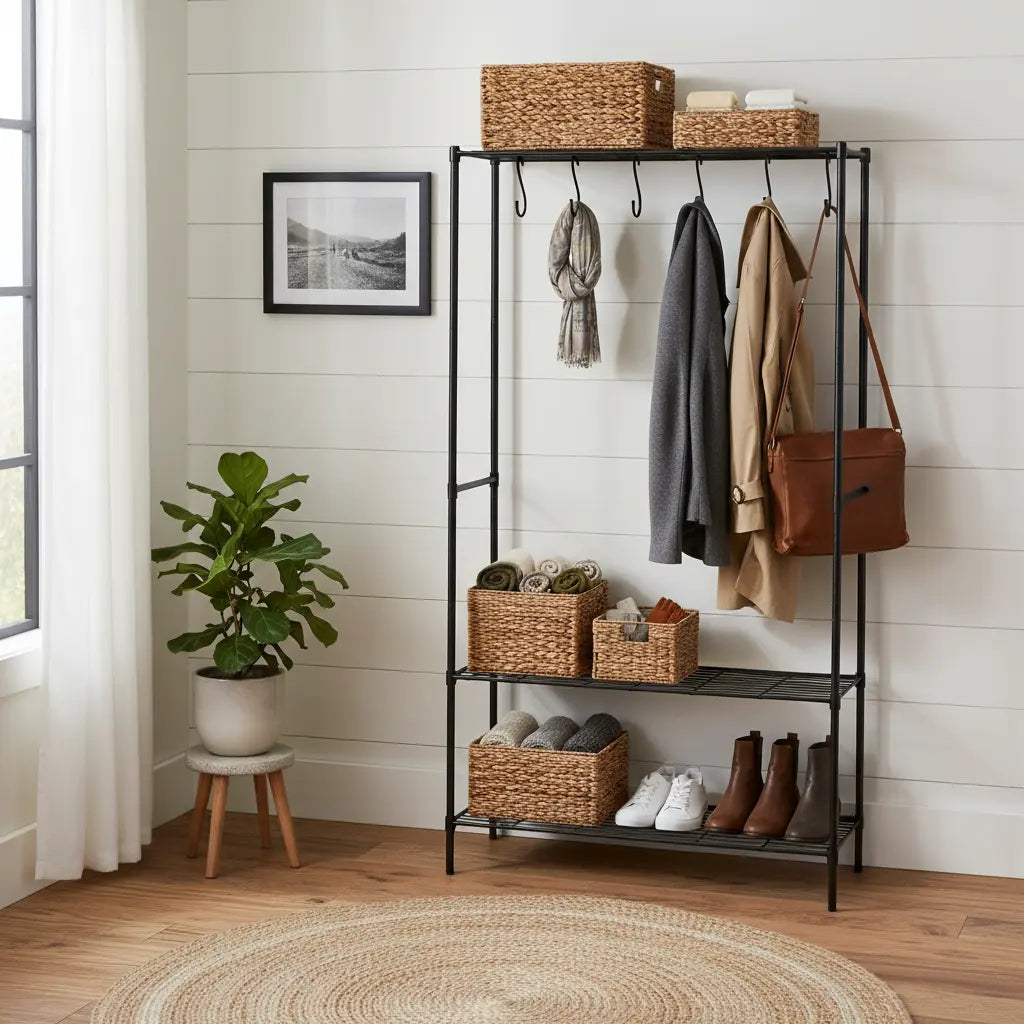
The primary advantage of a bakers rack in an entryway is its verticality. Most units stand between 60 and 72 inches tall, providing multiple levels of storage on a footprint as small as 15 by 30 inches. This allows you to stack shoes, bags, and mail vertically rather than letting them sprawl across the floor. Furthermore, the metal or wire framing often found in these racks provides built-in points for S-hooks, which can hold everything from umbrellas to dog leashes.
Logic Summary: The recommendation for bakers racks over traditional benches is based on "vertical-to-footprint ratio" analysis. In entryways under 40 square feet, vertical storage increases usable volume by up to 300% compared to horizontal benches, provided the unit is properly secured.
Creating Functional Zones for Daily Entryway Flow
Successful entryway organization for small spaces relies on the concept of "zoning." When you walk through the door, your brain needs a clear path for where items belong to prevent a "clutter pile" from forming. A bakers rack naturally facilitates this through its tiered structure.

The Shoe and Boot Zone (Lower Tiers)
The bottom shelves of a bakers rack are naturally suited for footwear. For a small mudroom, we recommend using the lowest shelf for heavy boots and the second shelf for daily-wear shoes. If your rack has wire shelves, consider adding a plastic liner or a decorative tray to catch drips and dirt, protecting the floor and the furniture itself.
The Landing Zone (Mid-Level Tiers)
The counter-height shelf of a bakers rack serves as the perfect "landing zone." This is where you place your keys, mail, and sunglasses. By keeping this area at waist height (typically 30-36 inches), you create an ergonomic transition point. Adding a small bowl for keys and a vertical mail sorter can further enhance this zone's utility.
The Accessory and Seasonal Zone (Upper Tiers)
The highest shelves are best reserved for items you don't need every minute. Woven baskets are excellent for corralling winter hats, gloves, or summer sunblock. Because these items are stored higher up, the baskets keep the visual clutter hidden while keeping the items accessible when the weather changes.
Weight Capacity and Durability for Heavy Gear
One of the most common mistakes in small mudroom ideas is underestimating the weight of daily gear. While a bakers rack is designed for kitchen items, a family's collection of winter coats and heavy backpacks can quickly exceed the intended load of a standard shelf.
| Item Category | Estimated Weight (Per Unit) | Shelf Placement Recommendation |
|---|---|---|
| Winter Parkas/Coats | 3 - 5 lbs | Side hooks or reinforced top rail |
| Adult Leather Boots | 4 - 8 lbs | Bottom-most shelf (for stability) |
| Loaded Laptop Bag | 10 - 15 lbs | Middle counter-height shelf |
| Grocery Bags (Temporary) | 15 - 25 lbs | Lowest available shelf |
| Mail and Keys | < 2 lbs | Middle "landing zone" shelf |
When using a bakers rack as a mudroom bench (metaphorically, as most are not designed for sitting), you must ensure that the heaviest items are placed at the bottom. This lowers the center of gravity and significantly reduces the risk of the unit becoming top-heavy. If you are hanging multiple heavy coats on one side, balance the weight by placing heavy items (like a basket of shoes) on the opposite side of the lower shelves.
Safety and Stability: Securing Your Mudroom Station
Safety is paramount when repurposing furniture in high-traffic areas. Entryways are zones of constant movement, where people are often in a rush. A bakers rack, with its tall and relatively narrow frame, can become a tipping hazard if someone pulls too hard on a snagged coat or if a child attempts to climb the shelves.
Wall Anchoring Requirements
In accordance with safety principles similar to ASTM F2057 (the standard for clothing storage units), any furniture over 27 inches tall in a high-traffic area should be anchored to the wall. Most modern bakers racks come with tip-restraint kits. If yours did not, or if you are repurposing an older unit, you should purchase a heavy-duty anti-tip strap that can be screwed into a wall stud.
Material Safety and Air Quality
In small, enclosed entryways, indoor air quality is a significant concern. Many budget-friendly bakers racks use engineered wood (MDF or particle board) for their decorative shelves. It is critical to verify that these materials meet engineered wood safety standards such as CARB Phase 2 and EPA TSCA Title VI. These regulations limit the emission of formaldehyde, a common VOC found in furniture adhesives. Since entryways often experience temperature fluctuations and humidity from the outdoors, which can increase off-gassing rates, choosing compliant furniture is a vital health consideration.

Logic Summary: The emphasis on CARB/TSCA compliance is based on the "confined space" factor. Small entryways often have poor ventilation compared to kitchens, making the concentration of VOCs a higher risk if non-compliant materials are used.
Comparing Bakers Racks to Dedicated Entryway Furniture
While we advocate for the bakers rack as a creative hack, it's helpful to compare it to dedicated mudroom furniture to see which fits your specific needs.
- Bakers Rack: Offers more vertical shelves, higher adaptability, and a smaller footprint. It is generally more affordable and easier to move.
- Entryway Coat Rack with LED Lighting: These dedicated units often include integrated benches for sitting while putting on shoes and built-in hooks at the correct heights for coats. They may also include modern features like LED strips for better visibility in dark hallways.
- Traditional Mudroom Bench: Provides a sturdy place to sit but often lacks vertical storage, leading to wasted wall space in small apartments.
If your primary goal is maximum storage in a minimum footprint, the bakers rack remains the superior choice for small apartment entryway storage hacks.
Step-by-Step: Setting Up Your Bakers Rack Mudroom
- Measure Your Space: Ensure you have at least 36 inches of clearance in front of the rack for easy passage.
- Select Your Rack: Choose a unit with a mix of wire and solid shelves to accommodate different types of items.
- Install Wall Anchors: Before loading the rack, secure it to a wall stud using a tip-restraint kit.
- Add Side Hooks: Use S-hooks on the side rails for umbrellas, bags, and dog leashes.
- Line the Shelves: Add plastic or silicone liners to the shoe shelves to catch dirt and moisture.
- Label Baskets: For households with multiple people, assign a specific basket on the top shelf to each person for their seasonal gear.
FAQ
Can I sit on a bakers rack like an entryway bench? Generally, no. Most bakers racks are designed for static storage and do not have the structural reinforcement required to support the weight of a person sitting down. Attempting to sit on a bakers rack can cause the shelves to bend or the entire unit to collapse. If you need a place to sit, consider a dedicated entryway bench or placing a small, sturdy ottoman next to your rack.
How do I prevent my bakers rack from wobbling in a high-traffic entryway? Wobbling is often caused by uneven floors or loose assembly. First, ensure all bolts are tightened according to the manufacturer's instructions. If the floor is uneven, use the adjustable leveling feet that come with many modern racks. If your rack lacks these, you can use furniture shims. Most importantly, anchoring the unit to the wall will eliminate almost all horizontal movement and wobbling.
Is a metal or wood bakers rack better for a mudroom? Metal racks are generally more durable and easier to clean, making them ideal for the moisture and dirt often found in entryways. However, many people prefer the aesthetic of wood or engineered wood shelves. If you choose wood, ensure it is treated to resist moisture and meets CARB/TSCA safety standards for indoor air quality.
How many coats can a standard bakers rack hold? This depends on the weight capacity of the side rails or the specific hooks used. A high-quality metal bakers rack can typically hold 4-6 heavy winter coats if the weight is distributed evenly. Avoid hanging all heavy items on one side, as this can create an imbalance. For larger families, consider a dedicated coat rack or adding wall-mounted hooks adjacent to the bakers rack.
What is the best way to store shoes on wire shelves? Wire shelves are great for ventilation but can let dirt fall through to the shoes or floor below. The best solution is to use shelf liners or shallow plastic trays. This catches any mud or water from boots while still allowing some air circulation. You can also use decorative wicker baskets to hide shoes and maintain a cleaner look.
Are bakers racks safe for homes with small children? They are safe only if they are properly anchored to the wall. Children may see the shelves as a ladder, which creates a severe tip-over risk. Always use a tip-restraint kit and place heavier items on the bottom shelves to keep the center of gravity low. Additionally, ensure that any small items like keys or coins are kept in a bowl on a high shelf out of reach of toddlers.
References
Government / Standards / Regulators
- U.S. Consumer Product Safety Commission (CPSC): Furniture Tip-Over Prevention and Anchor It! Campaign
- California Air Resources Board (CARB): Composite Wood Products ATCM and Formaldehyde Standards
- U.S. Environmental Protection Agency (EPA): Formaldehyde Emission Standards for Composite Wood Products (TSCA Title VI)
Platform official docs & policies
- Bestier Safety & Assembly: Furniture Assembly and Stability Guide
- Bestier Material Safety: Engineered Wood Safety: CARB & TSCA Compliance Whitepaper
Industry associations / research institutes / market reports
- ASTM International: ASTM F2057 - Standard Safety Specification for Clothing Storage Units (Referenced for general furniture safety principles)
Community
- Reddit r/InteriorDesign: Small Entryway and Mudroom Solutions for Apartments (Intent discovery only; not authoritative)
- Reddit r/Organization: Creative Uses for Bakers Racks in Small Spaces (Intent discovery only; not authoritative)
