
Renters and urban dwellers in small apartments often struggle with rigid storage that cannot adapt when layouts change or they relocate. Modular living room storage systems address this by offering reconfigurable shelves, cabinets, and media units that maximize vertical space, hide everyday clutter, and evolve with your needs without requiring permanent modifications to the room.
These adaptable solutions have gained popularity because they bridge the gap between style, practicality, and flexibility in compact living environments where every square foot counts. Whether you need to display books and decor, house media devices, or create zones in a studio, the right modular system can transform a cramped living room into an organized, multi-functional space.
Why Modular Storage Systems Are Ideal for Modern Living Rooms
In many smaller homes and rentals, storage often has to work within limited floor area and avoid permanent changes to the room. Traditional bulky entertainment centers or fixed built-ins can quickly make a space feel smaller and become problematic when it's time to move or rearrange.
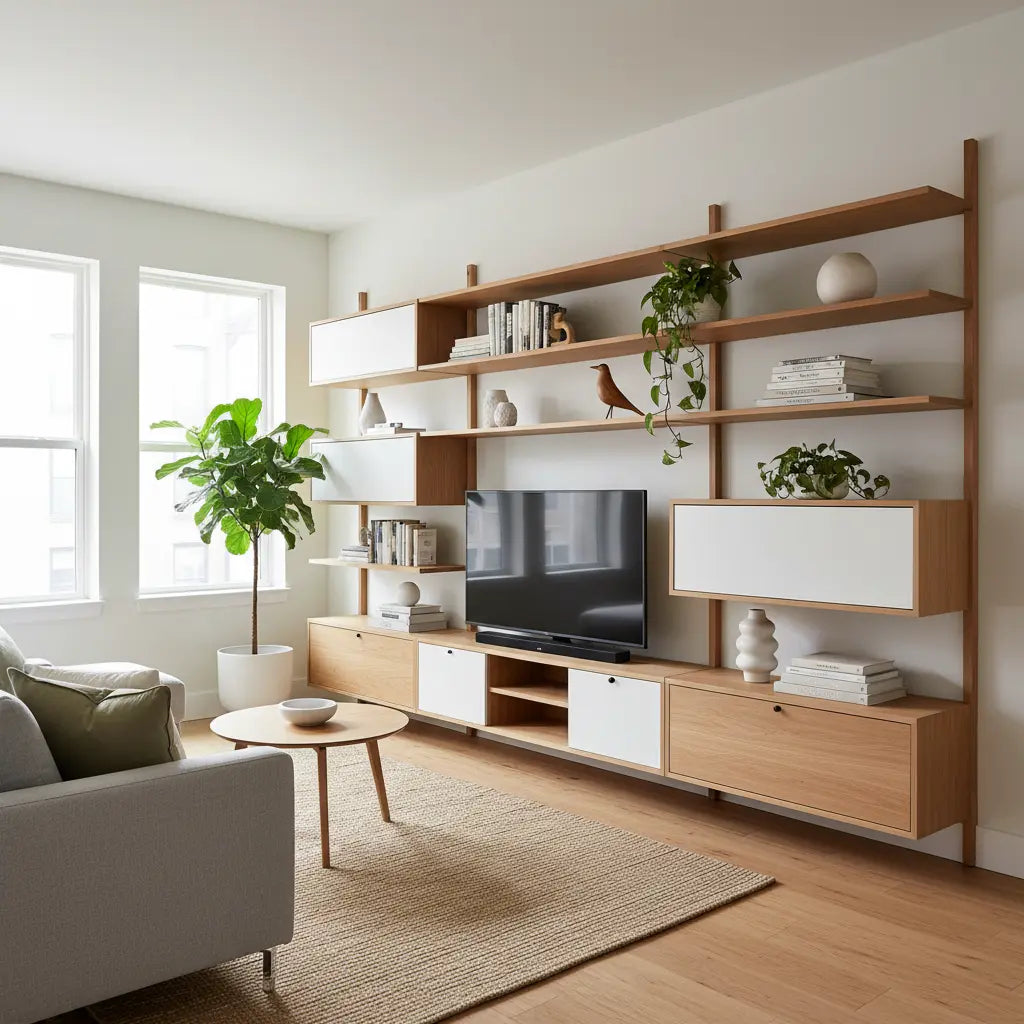
Modular living room storage systems solve this by using vertical space effectively. Vertical storage can help small rooms feel less crowded by using wall height instead of adding more floor furniture. This approach frees up valuable square footage for seating, traffic flow, or additional living functions.
Beyond space savings, these systems excel at managing clutter from media devices, books, decor, and daily items. Many designs include a mix of open shelving for display, closed compartments for concealment, and integrated hooks or bars for extra organization. The result is a living room that looks tidy even when it serves multiple purposes.
Freestanding or wall-mounted modular units can be rearranged more easily than permanent built-ins, which makes them useful when layouts change. For frequent movers or those who like to refresh their space seasonally, this adaptability provides long-term value that fixed furniture rarely matches.
When Modular Storage Makes the Most Sense
Modular storage tends to be worth paying attention to when the room does double duty, the layout changes often, or you expect to move frequently. It is less compelling when you mostly need one stable media-and-storage wall, you want the simplest possible setup, or you do not plan to reconfigure the system after installation.
The decision rule is straightforward: if adaptability will be used regularly, modularity becomes a real benefit; if it will stay in one configuration, the extra complexity is often just overhead.
Modular living room storage usually makes the most sense in studios, rentals, or shared spaces, or when the layout changes often and the storage has to work for media, books, and decor at the same time. It also shines when you expect to move frequently, need to stack upward instead of outward, or want pieces you can reconfigure around changing needs.
A traditional fixed entertainment center tends to win when the wall layout is stable, the TV placement is unlikely to change, and you want a heavier, more finished piece that can anchor the room. Prefer non-modular shelving if the main need is simple, low-change storage and you do not expect to rearrange often.
Here is an illustrative comparison to help visualize these trade-offs:
Illustrative Suitability of Living Room Storage Systems by Scenario
Illustrative comparison only; higher scores mean better fit for the scenario. Not a measured benchmark.
View chart data
| Series | Reconfigurability | Vertical Space Use | Installation Ease | Heavy-Load Stability | Move-Friendliness |
|---|---|---|---|---|---|
| Modular Storage System | 5.0 | 4.0 | 4.0 | 3.0 | 5.0 |
| Traditional Fixed Entertainment Center | 1.0 | 2.0 | 2.0 | 5.0 | 1.0 |
| Non-Modular Shelving | 2.0 | 4.0 | 3.0 | 2.0 | 3.0 |
Derived from viewpoint-insighter scenario guidance and bounded heuristic modeling only: modular systems fit frequent layout changes, rentals, studios, and multi-use rooms; fixed entertainment centers fit stable layouts and heavy-load anchoring; shelving sits between the two. Scores are relative and illustrative, not official measurements or product benchmarks.
This radar chart uses relative illustrative scores to highlight how different storage approaches perform across common decision factors. Remember these values are heuristic modeling only and not measured benchmarks.

Practical Benefits and Real-World Use Cases
In small apartment living rooms with limited floor space, modular furniture for small apartments shines by turning walls into functional storage zones. Small Space Living: The Ultimate Guide to Multi-Functional Furniture explores similar strategies for maximizing urban homes.
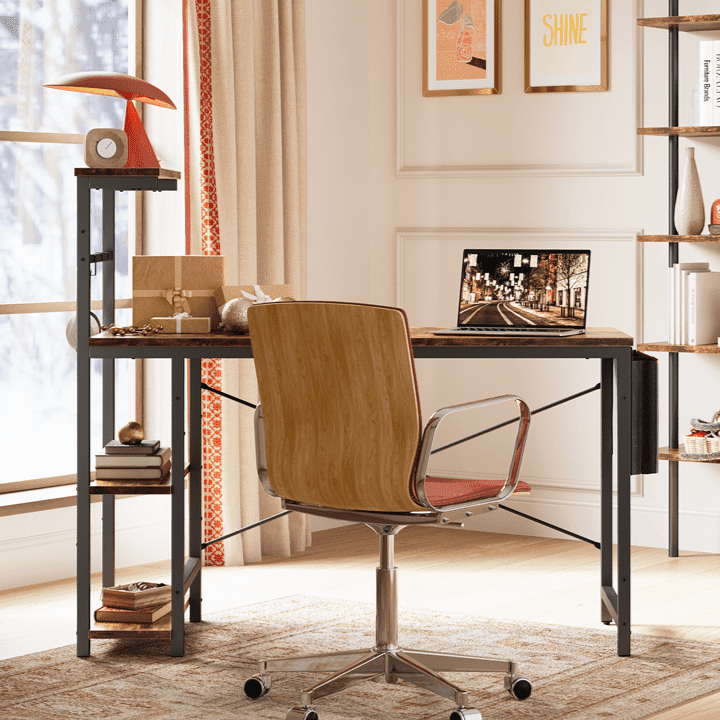
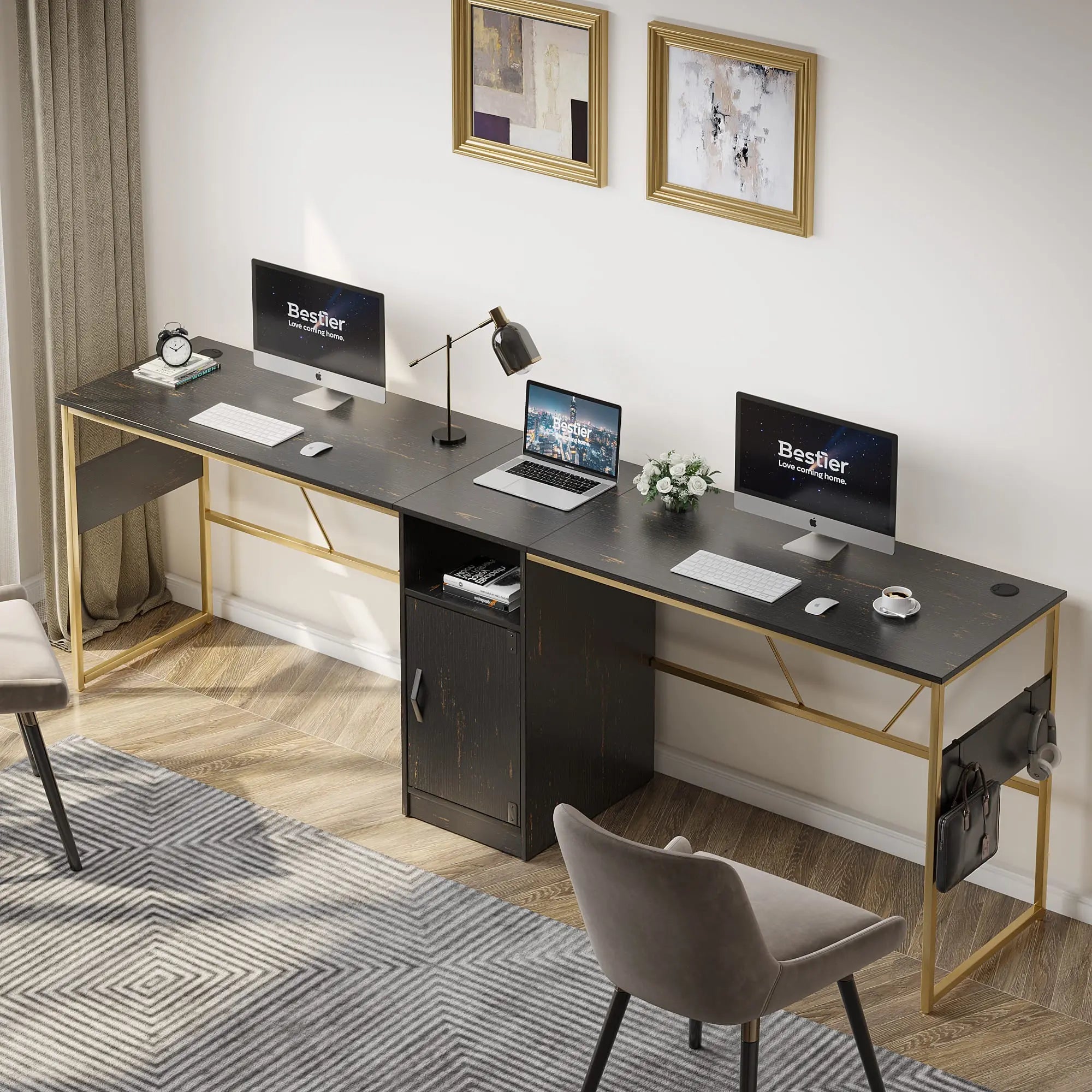
Studio apartments that combine media, storage, and work zones particularly benefit. A modular desk shelf system can transition between entertainment mode and occasional home office use without major disruption.
For minimalist households trying to reduce visual clutter, systems with hidden compartments and clean lines help maintain a serene appearance. The Studio Apartment Survival Guide: Multi-Functional Furniture Strategies offers additional zoning ideas that complement modular approaches.
Young professionals and budget-conscious shoppers appreciate the long-term value. Instead of buying new pieces with each move, adaptable apartment furniture grows with you. This aligns with trends discussed in Modular Desk Systems for Digital Nomads: The 2026 Guide to Working Anywhere, even when applied to living areas.
Popular configurations often include wall-mounted units, freestanding towers, or hybrid systems that combine shelving with media consoles. Many incorporate features like integrated lighting or power outlets for modern convenience.
Important Safety and Setup Considerations
Furniture safety campaigns exist because storage-unit tip-over and entrapment hazards are a recognized risk. Safety guidance commonly recommends anchoring bookcases, shelving units, and TV stands to help prevent tip-over incidents. Some storage and media furniture should be anchored or stabilized to reduce tip-over risk, especially in homes with children. This furniture tip-over safety guidance from the American Society of Furniture Designers provides important background.
Before buying, check whether a storage system needs wall anchoring, assembly, or other installation steps. Consumers should verify product specifications for weight capacity and installation requirements rather than assuming universal renter-friendliness.
This article only discusses comfort and setup advice related to furniture choices. It does not constitute medical advice, diagnosis, or treatment. If you experience persistent discomfort or have existing conditions, consult qualified professionals.
How to Choose and Set Up Modular Storage in Your Space
Follow this practical checklist to evaluate options:
- Measure your available wall and floor space carefully, including clearance for doors and seating.
- Determine your primary storage needs: media equipment, books, decor, or mixed use.
- Assess whether you need anchoring capability and if your walls allow it (many rentals prohibit drilling).
- Check load ratings if you plan to place heavier items like televisions or large speakers.
- Evaluate material quality for durability, especially engineered wood that meets safety standards like those outlined in Engineered Wood Safety: A Comprehensive Guide to CARB & TSCA Standards.
- Consider future flexibility: will the system allow easy reconfiguration as your needs change?
Start by identifying your highest priority zone in the living room, then build outward. For example, center a media console and flank it with vertical shelving towers that can be adjusted independently.
If your room has challenging corners, explore how similar principles apply in resources like Corner Optimization: Fitting L-Shaped Desks in Studio Apartments.

Recommended Modular Solutions from Bestier
Bestier offers several versatile options suitable for living room applications. The Bestier Industrial 2-Tier Wall-Mounted Bookshelf Plant Stand Shelf Baker's Racks with 8 S-Hooks provides sturdy vertical storage that works well for books, plants, and decor while freeing floor space.
For more comprehensive setups, consider 3-Tier Floating Wall Shelves with Towel Bar & Hooks - Versatile Home Storage or the Bestier 41" Floating Shelves with LED Light, 3-Tier Wall-Mounted Wood Shelves with 8 S-Hooks, White Finish & Gold Frame. These combine lighting, hooks, and multiple tiers for maximum functionality.
Explore the full range in the Bestier Living Room Furniture collection or more specialized Bestier Entertainment Center and Bestier TV Stand selections. Minimalist shoppers may prefer options from the Bestier Minimalist Style collection.
For additional organization ideas, Small Room Layout Optimization: A Zone-Based Design Guide provides complementary strategies.
Final Thoughts on Adapting Your Living Room
Modular living room storage systems can significantly improve how small spaces function, but success depends on matching the system to your specific room constraints, lifestyle, and willingness to handle proper installation. They offer a practical path for renters and urban dwellers who value flexibility without sacrificing style.
By focusing on your actual usage patterns rather than trends, you can select adaptable apartment furniture that serves you well today and in future homes. Always prioritize safety by following manufacturer guidelines for assembly and anchoring where required.
The rise of these systems reflects a broader shift toward thoughtful, sustainable living where furniture works harder and lasts longer across multiple chapters of life.
