
Mastering the Studio Apartment Layout
Living in a studio apartment often means making one room handle every part of daily life, from sleeping and working to relaxing and storing belongings. The good news is that multi-functional furniture and smart zoning strategies can transform a compact space into a comfortable, organized home that supports productivity during the day and feels relaxing at night. Success depends heavily on choosing the right pieces for your specific layout, prioritizing vertical and corner space, and creating clear zones without permanent walls.
Related Resources
- Bakers Rack vs. Kitchen Island: Small Space Storage Showdown
- Bakers Rack Home Bar: Small Apartment Beverage Station Ideas

Understanding the Studio Apartment Challenge
Studio apartments typically range from 300 to 600 square feet, requiring furniture that pulls double or triple duty while maintaining clear pathways and visual breathing room. The core issue is not just fitting everything in, but making the space feel functional rather than cramped. Many renters struggle with cluttered floors, poor workflow between tasks, and furniture that works for one activity but fails for others.
Common pain points include insufficient storage in rentals with minimal closets, the need for a productive small apartment office setup that can be visually minimized after work hours, and finding pieces flexible enough for hybrid lifestyles that mix remote work, gaming, and everyday living. A common pattern we observe is that the most successful layouts rely on modular solutions that adapt to the user's daily rhythm rather than rigid, single-purpose items.
Why Multi-Functional Furniture Is Essential for Small Spaces
Multi-functional furniture maximizes every square inch by serving multiple purposes, often incorporating storage, work surfaces, and even seating in one footprint. In a studio, this approach prevents the room from feeling like a jumble of separate items and instead creates a cohesive, efficient layout.

Space-saving furniture for studio apartments typically emphasizes vertical storage, foldable or expandable designs, and pieces that tuck into corners. For example, items with built-in shelves, drawers, or convertible mechanisms reduce the need for multiple standalone pieces. This strategy is particularly valuable for young professionals and remote workers who need their space to transition smoothly between uses throughout the day.
Creating Distinct Zones: 3 Proven Layout Templates
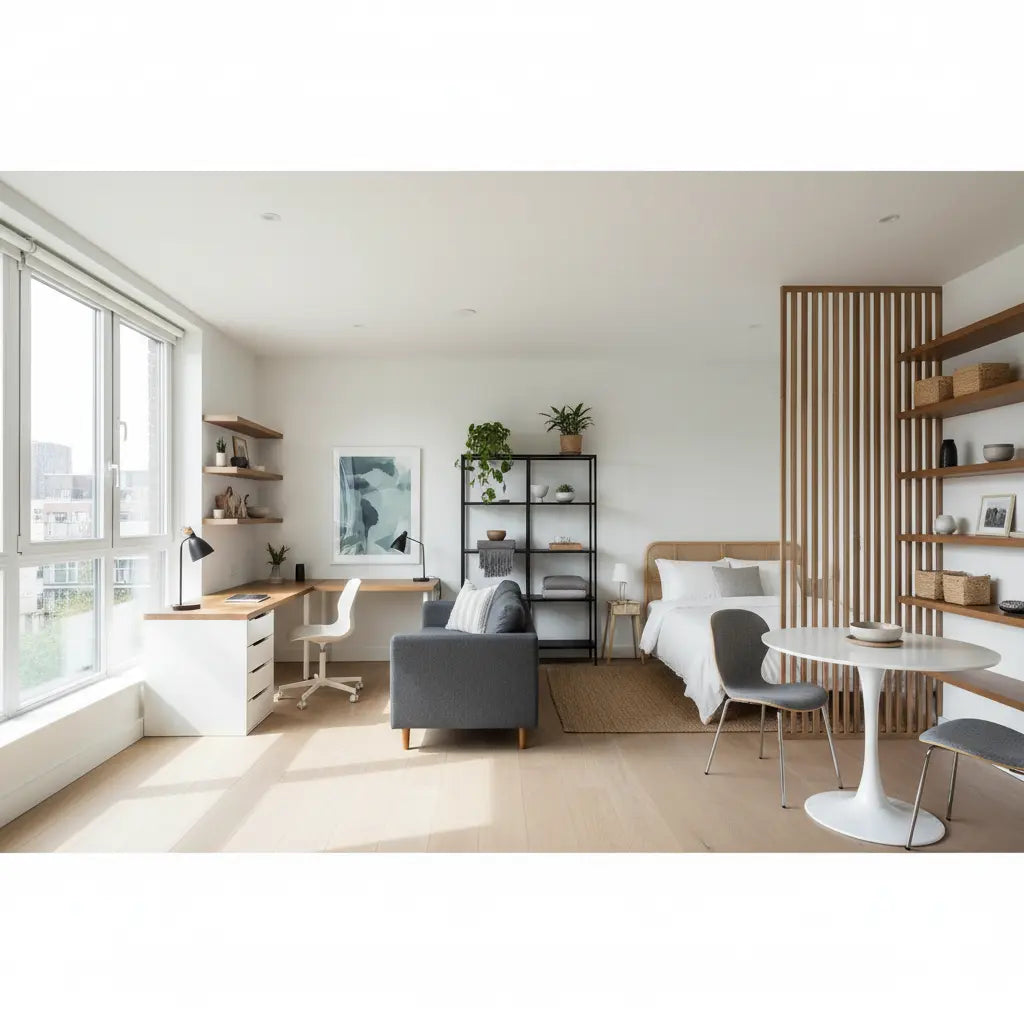
Zoning divides a studio into functional areas using furniture placement, rugs, and lighting rather than walls. To help you visualize how to arrange your space, consider these three common layout templates based on typical studio shapes:
1. The "Linear Flow" (Best for Long, Narrow Studios)
- Trigger: Your entrance and window are on opposite short walls.
- The Setup: Arrange furniture along the long walls to keep a central "thoroughfare" open.
-
Steps:
- Place the bed at the far end by the window (sleeping zone).
- Use a bakers rack or tall bookshelf perpendicular to the wall to act as a "half-wall" between the bed and the living area.
- Place a slim desk or sofa against the long wall in the middle section.
2. The "Corner Command" (Best for Square or L-Shaped Studios)
- Trigger: You have a large open area but limited wall segments.
- The Setup: Use corners to anchor specific tasks, leaving the center of the room for flexible movement.
-
Steps:
- Install an L-shaped desk in one corner to create a dedicated office/gaming hub.
- Place the bed in the opposite corner.
- Use a rug to "ground" a small dining or lounge area in the center, keeping it visually distinct from the corner "work" and "sleep" stations.
3. The "Window-Centric" (Best for Natural Light Lovers)
- Trigger: You have one large window wall that you want to maximize.
- The Setup: Pivot all "active" zones (work/living) toward the light, keeping storage and sleeping in the darker "inner" zones.
-
Steps:
- Place your desk facing the window or perpendicular to it.
- Use a corner desk to bridge the gap between the window wall and a side wall.
- Position the bed behind a room divider (like a tall storage unit) in the back of the room to keep the sleeping area cozy and dim.
Pro-Tip: Regardless of the template, aim to keep primary circulation paths at least 30 inches wide. This is a standard interior design recommendation to ensure you can move comfortably without bumping into furniture corners.
Maximizing Vertical and Corner Space
When floor space is limited, look up. Vertical storage solutions such as tall shelving, wall-mounted racks, and over-door organizers free up valuable floor area. Corner spaces, often underutilized in traditional layouts, become highly functional with appropriately shaped furniture.
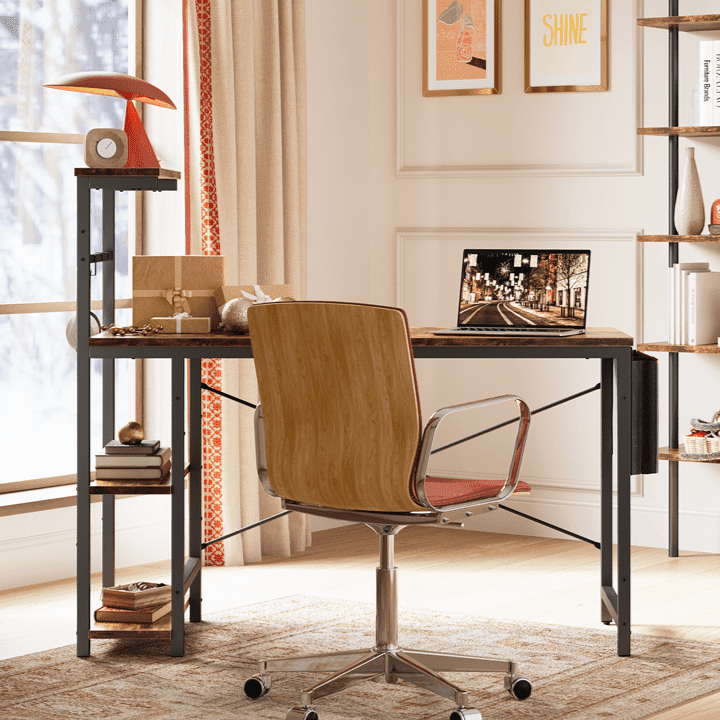
A small corner desk with shelves turns an underused nook into a compact home office setup complete with storage. Similarly, bakers racks excel at utilizing vertical height—often reaching 60-72 inches—for kitchen, office, or general storage needs. These pieces help avoid bulky items that dominate the center of the room and instead hug the walls or corners efficiently.
When selecting pieces, measure your ceiling height and corner angles carefully. Avoid overloading any single unit; stability is critical in small spaces where items are frequently accessed. Prioritize designs with adjustable shelves to customize for your specific needs.
Key Furniture Types for Studio Living
L-Shaped Desks for Productivity and Flexibility
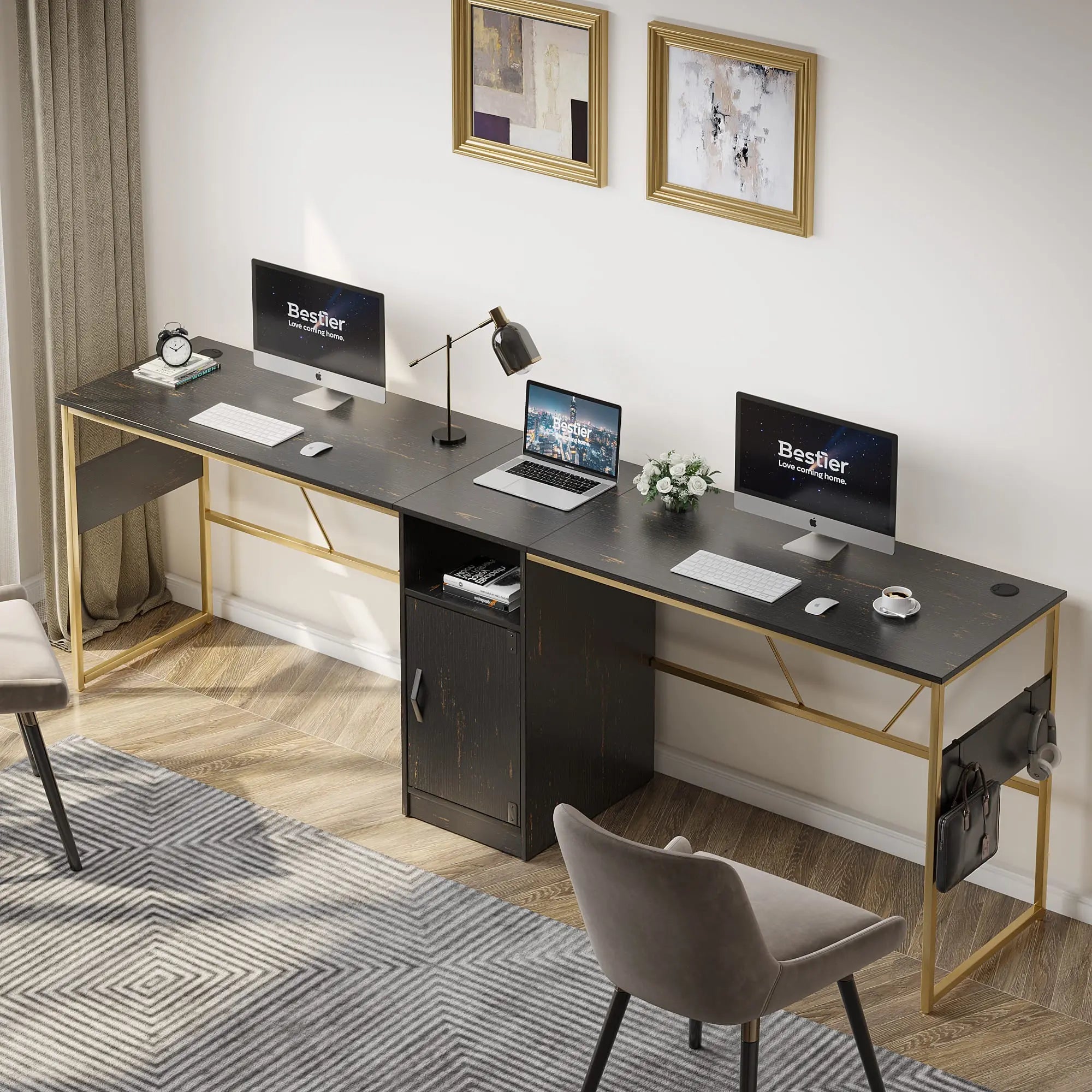
L-shaped desks are excellent for small bedroom offices or studio corners because they provide ample surface area while fitting snugly against two walls. They support multiple monitors, laptops, and peripherals, making them ideal for remote workers or gamers.
Many modern options include built-in power outlets, LED lighting, monitor stands, and storage shelves or hooks. The reversible design allows you to configure the longer side according to your room's layout. For a studio apartment, choosing models under 60 inches per side can help maintain open floor space.
This L-shaped gaming desk offers convenient charging ports and storage features tailored for compact setups.
Bakers Racks as Versatile Storage and Display Solutions
Bakers racks are among the most adaptable pieces for small spaces. Their open shelving provides easy access and visual lightness compared to solid cabinets, while the compact footprint fits narrow areas.
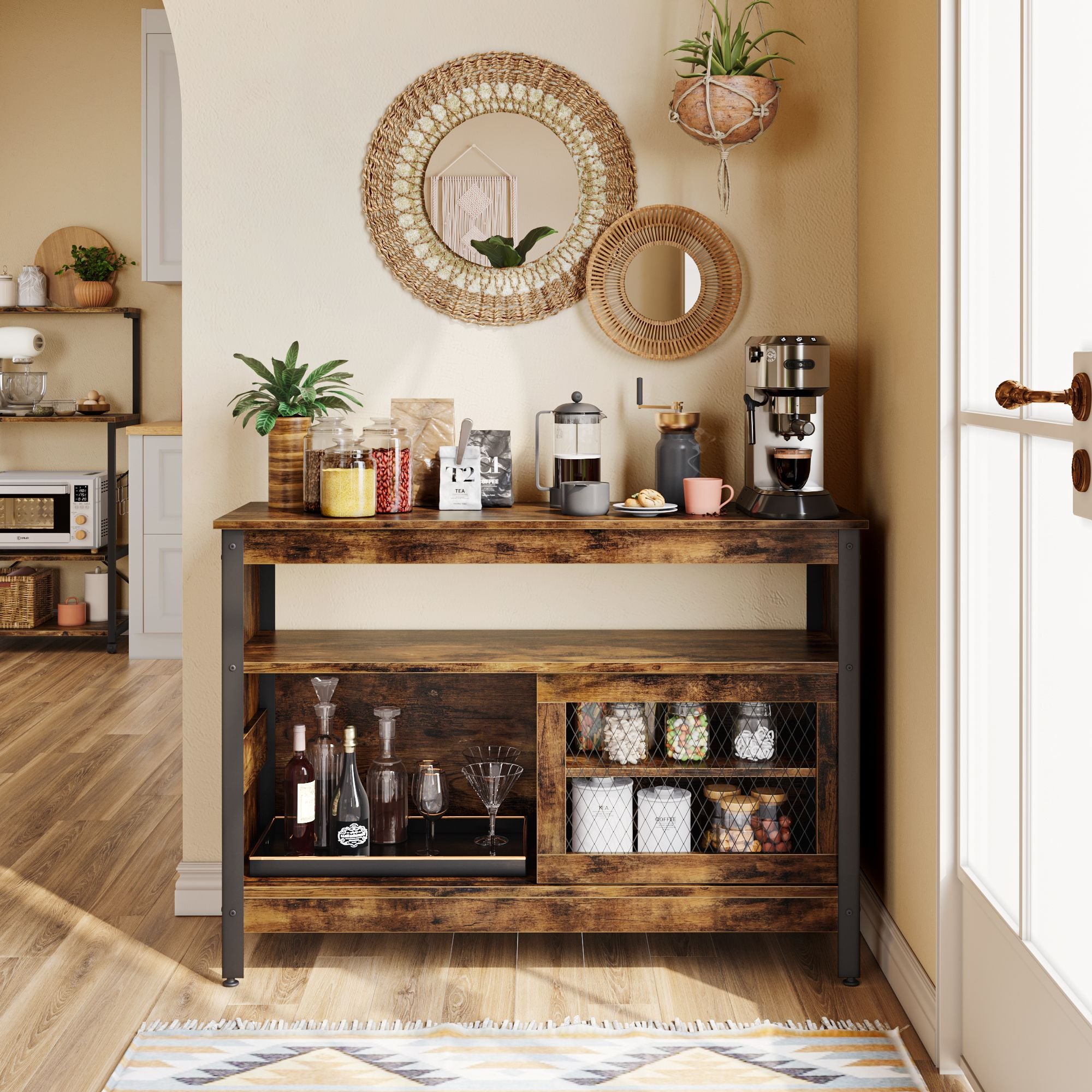
Beyond storing dishes or pantry items, they can hold plants, books, office supplies, or even serve as a home bar or coffee station. Creative applications include turning one into a mini home office hub or display shelf that doubles as a room divider.
Explore these creative ways to use a bakers rack beyond the kitchen for inspiration on maximizing their potential in a studio.
Corner Desks and Other Modular Options
Small corner desks with integrated shelves combine work surface and storage in one efficient unit, making them a top choice for studio apartment hacks. They create a dedicated workspace without sacrificing much floor area and help establish clear mental boundaries between work and leisure.
Furniture Trade-Offs: Choosing What Fits Your Lifestyle
Different furniture types excel in different areas. A corner desk might save floor space effectively but offer limited storage, while a bakers rack provides excellent organization at the potential cost of less work surface.
Here is an illustrative comparison to help visualize typical trade-offs:
Multi-Functional Furniture Trade-Offs for Studio Apartments
Illustrative 1-10 relative scores for typical small-space use; higher is better. Not a measured ranking.
View chart data
| Series | Space Saved | Storage Capacity | Versatility | Affordability |
|---|---|---|---|---|
| Corner Desk | 8.0 | 3.0 | 6.0 | 7.0 |
| Bakers Rack | 7.0 | 9.0 | 5.0 | 8.0 |
| L-Shaped Desk | 5.0 | 4.0 | 8.0 | 5.0 |
Illustrative model only. Scores are bounded heuristic ratings for typical studio-apartment scenarios, synthesized from common small-space furniture trade-offs; no claim of measured performance or official survey data.
Note: This comparison is a heuristic tool designed to help visualize general trade-offs; it is not a technical rating. Actual performance depends on specific product dimensions and your room's unique constraints.
How to Choose and Arrange Furniture for Your Studio
Follow this practical checklist before purchasing:
- Measure Twice: Note door swings, window heights, and the location of power outlets.
- Prioritize Activities: List your top three daily activities (e.g., sleep, work, gaming) and allocate the best "real estate" to them.
- Simulate the Footprint: Use painter's tape on the floor to mark where furniture will go. This helps you feel the "flow" before buying.
- Check Stability: For tall units like bakers racks, ensure they include anti-tip hardware, especially if you have pets or live in an earthquake-prone area.
- Maintain Walkways: Ensure at least 30 inches of clearance for main paths to avoid a "cluttered" feel.
For more detailed strategies, see this small room layout optimization guide.
Avoiding Common Mistakes and Safety Considerations
A common mistake is buying oversized or non-modular pieces that lead to blocked pathways. In a small, enclosed studio, material safety is also paramount.
Understanding Material Standards: When shopping, look for furniture that is CARB Phase 2 or TSCA Title VI compliant. These are North American standards that strictly limit formaldehyde emissions from engineered wood. In small apartments with less-than-ideal ventilation, choosing low-emission materials is a critical step for maintaining healthy indoor air quality. This engineered wood safety guide explains these requirements in detail.
Safety Boundaries:
- Do not block emergency exits or windows with tall furniture.
- Never exceed the manufacturer's weight limits for shelving.
- Ensure all tall units are properly anchored to the wall if permitted by your lease.
Disclaimer: This article discusses furniture selection and arrangement for improved usability and organization. It does not constitute professional interior design, architectural, or medical advice. Individual results depend on specific room dimensions and building codes. Furniture should always be used according to manufacturer instructions.
Building Your Small Apartment Office Setup
A productive yet visually clean workspace is achievable by selecting a compact desk with integrated storage and pairing it with organizers that can be closed or minimized after hours. Use monitor arms and cable management to keep the area looking tidy.
For gamers or hobbyists, an L-shaped desk can accommodate both work and play equipment while maintaining a small footprint. Learn more in this guide to L-shaped desk layouts for small bedroom offices.
Final Thoughts on Thriving in a Studio Apartment
A well-planned studio using multi-functional furniture can feel spacious and organized. Focus on pieces that align with your actual habits—if you work from home 40 hours a week, your desk is more important than a dining table. Start with essential zones, maximize vertical real estate, and remain flexible as your needs evolve.
For more on styling your chosen pieces, see these modern kitchen decor tips for bakers racks. Our ultimate guide to multi-functional furniture provides further reading on desks and storage for urban dwellers.
When comparing desk styles, consider this analysis of L-shaped vs straight gaming desks to match your workflow, or explore the small corner desk with shelves studio apartment hack for more space-saving inspiration.
