

Summary
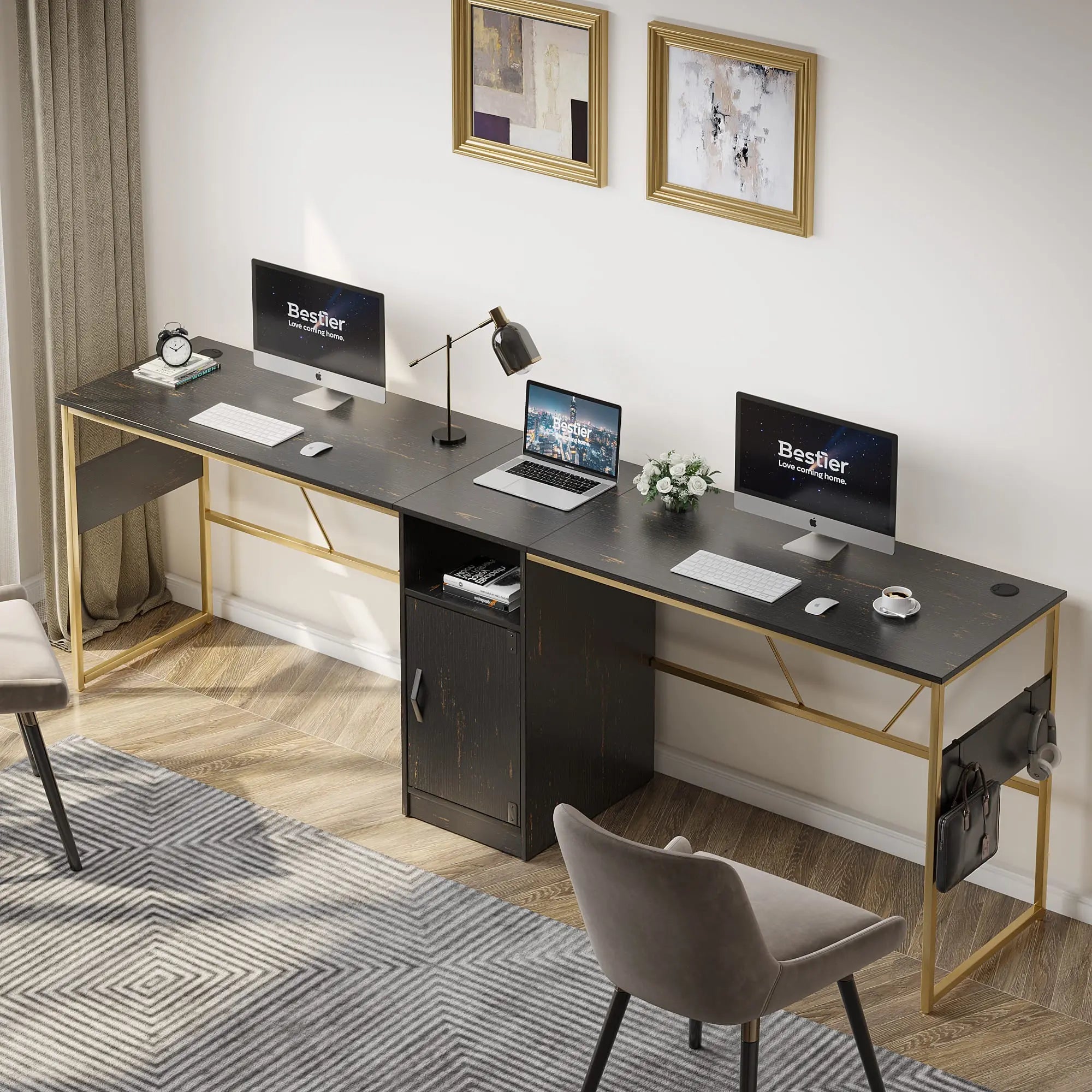
Creating a workspace that balances visual appeal with functional focus is the core of aesthetic productivity, a movement that has evolved into a sophisticated science by 2026. This guide provides a roadmap for designing a "deep work" sanctuary that leverages neuro-aesthetic principles, sensory-friendly organization, and certified safe materials to boost cognitive performance without sacrificing personal style.

Key takeaways
- Intentional Design: Aesthetic productivity is about environmental choices that directly facilitate specific cognitive processes, moving beyond mere decoration to functional psychology.
- Neuro-Aesthetic Impact: Incorporating "dopamine decor" and biophilic elements can significantly enhance mood and motivation, with recent trends showing a 45% rise in corporate adoption of these neuro-aesthetic principles.
- Health-First Materials: Long-term productivity depends on indoor air quality; choosing furniture that meets strict engineered wood safety standards is critical for cognitive health.
- Sensory Customization: Effective workspaces must be "adaptively aesthetic," allowing for sensory modulation—such as adjustable lighting and tactile surfaces—to meet individual neurodivergent needs.
- Cognitive Load Management: Strategic visual simplicity and environmental zoning help reduce decision fatigue, preserving mental energy for deep work tasks.
Cluster map
To help you navigate the various facets of workspace design, we have curated a selection of specialized guides that dive deeper into specific aesthetic and functional themes.
| Focus Area | Detailed Guide |
|---|---|
| Moody Focus | Dark Academia Home Office: Moody Decor for High-Focus Work |
| Executive Function | ADHD-Friendly Desk Setup: Organization Tips for Better Focus |
| Emotional Resonance | How to Build a Dopamine Desk Setup for Better Focus |
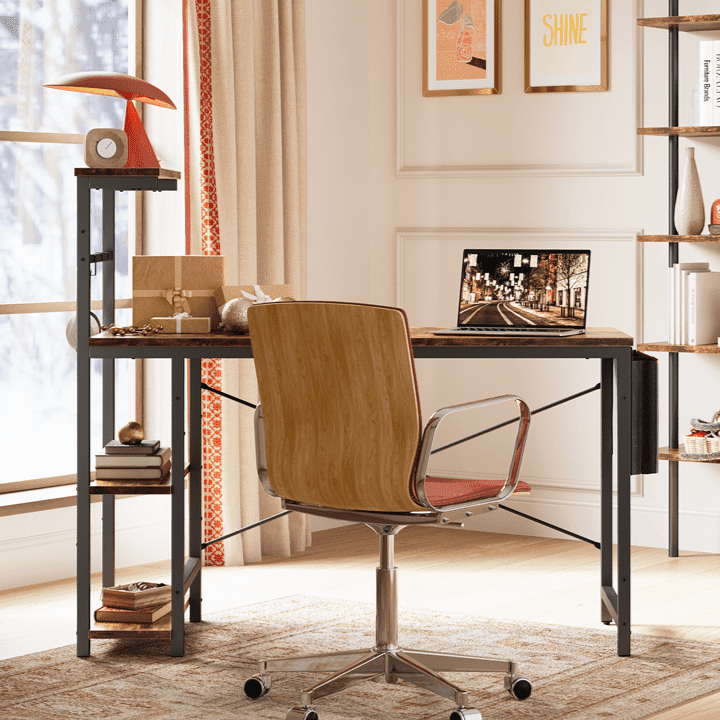
| Modern Industrial | Industrial Home Office Ideas: Metal and Wood Aesthetics |
The Science of Neuro-Aesthetics in 2026
By 2026, the concept of the home office has shifted from a utilitarian necessity to a personalized cognitive engine. The "Aesthetic Productivity" movement is grounded in neuro-aesthetics—the study of how environmental beauty and structure affect the brain's reward and focus systems. Research indicates that when a workspace is visually pleasing and personalized, the brain releases dopamine, which not only improves mood but also enhances creative problem-solving and persistence during difficult tasks.
This shift is reflected in the 45% increase in organizations integrating neuro-aesthetic elements into their design standards. It is no longer about choosing between a "pretty" office and a "productive" one; it is about understanding that the "vibe" of your room is a primary driver of your utility. Whether you lean toward the moody, intellectual atmosphere of a dark academia aesthetic inspiration or the vibrant, joy-inducing elements of a dopamine desk, the goal is to create an environment that signals your brain to enter a state of flow.
Logic Summary: The recommendation to prioritize aesthetics is based on environmental psychology research showing that psychological comfort reduces the "friction" of starting difficult tasks. This approach is most effective for knowledge workers whose output depends on sustained mental focus rather than repetitive manual labor.
Designing for Neurodivergence and Sensory Needs
One of the most significant advancements in workspace design for 2026 is the recognition of neurodiversity. Standard office layouts often fail to account for the 15-20% of the population who are neurodivergent, including those with ADHD or sensory processing sensitivities. A truly aesthetic workspace must be sensory-friendly, providing the right amount of stimulation without becoming overwhelming.
For many, this involves ADHD-friendly organization strategies that utilize "out of sight, out of mind" principles for distractions while keeping essential tools visible and accessible. Sensory modulation is key: proprioceptive input from a weighted lap pad or the tactile satisfaction of a high-quality desk mat can help ground the user. Visual processing also plays a role; while some thrive in a minimalist environment, others require the "visual noise" of curated decor to feel stimulated enough to work.

Material Safety and the Cognitive Environment
While much of the focus in aesthetic productivity is on what we see, what we breathe is equally important for long-term cognitive performance. Many affordable furniture options can emit Volatile Organic Compounds (VOCs) through off-gassing, which has been linked to "brain fog," headaches, and reduced concentration. In the enclosed environment of a home office, these effects are amplified.
To safeguard your health and focus, it is essential to verify that your furniture meets rigorous safety benchmarks. Our authoritative guide on Engineered Wood Safety: A Comprehensive Guide to CARB & TSCA Standards explains how standards like CARB Phase 2 and EPA TSCA Title VI regulate formaldehyde emissions in materials like MDF and particle board. Choosing products that adhere to these standards ensures that your pursuit of an aesthetic setup doesn't come at the cost of your indoor air quality.
Logic Summary: This section assumes that users are spending 6-10 hours daily in their workspace. The recommendation to check for CARB/TSCA compliance is a non-negotiable safety standard for any furniture containing engineered wood, as long-term exposure to formaldehyde is a documented health risk.
Balancing Ergonomics with Aesthetic Trends
A common pitfall in the quest for a beautiful office is sacrificing physical health for visual appeal. In 2026, the most successful designs integrate ergonomic principles into the aesthetic framework. For instance, a dopamine-boosting workspace design might use bright colors and playful shapes, but the foundation must remain a desk and chair that support the body's natural alignment.
The rise of the "standing desk aesthetic" has led to more modular solutions. An L-shaped standing desk for productivity provides the expansive surface area needed for multi-monitor setups while allowing the user to transition between sitting and standing. However, it is important to follow proper protocols: standing for too long can be as detrimental as sitting. Experts recommend a 3:1 ratio of sitting to standing, supported by an anti-fatigue mat to protect joint health.
Ergonomic Checklist for Aesthetic Setups
| Feature | Requirement | Aesthetic Integration Tip |
|---|---|---|
| Monitor Height | Top of screen at or slightly below eye level | Use a monitor riser that matches your desk's wood grain or metal finish. |
| Desk Depth | Minimum 24 inches for proper focal distance | Choose an L-shaped desk to maximize depth without occupying the center of the room. |
| Lighting | Layered: Ambient, Task, and Accent | Use LED-accented desk collections to provide bias lighting behind monitors, reducing eye strain. |
| Cable Management | No visible tangled wires | Use cable trays and sleeves that match your aesthetic (e.g., leather for Dark Academia, mesh for Industrial). |
Managing Cognitive Load Through Environmental Zoning
Deep work requires the minimization of "micro-distractions"—small visual or auditory interruptions that pull you out of focus. Cognitive load management involves designing your environment to reduce the number of decisions your brain has to make. This can be achieved through "zoning":
- The Deep Work Zone: A clean, uncluttered desk surface dedicated solely to your primary task.
- The Creative Zone: A secondary area (perhaps a shelf or a small side table) filled with inspiring objects, books, and "dopamine decor" to stimulate ideation.
- The Admin Zone: A designated spot for mail, chargers, and non-essential items, keeping them out of your immediate line of sight during focus blocks.
By standardizing your environment, you preserve your "decision capital" for your work. This is why many high-performers in 2026 are moving toward "adaptively aesthetic" furniture that can be easily reconfigured or cleared, allowing the workspace to transform based on the cognitive demands of the hour.
FAQ
What is the difference between aesthetic productivity and just decorating an office? Aesthetic productivity is the intentional use of design to facilitate specific mental states, such as focus or creativity. While decoration is about how a space looks, aesthetic productivity is about how a space functions for your brain. For example, choosing a specific color palette because it reduces visual stress is an aesthetic productivity choice, whereas simply adding a pretty picture is decoration.
How does color psychology affect deep work? Colors have a documented impact on cognitive performance; for instance, blues and greens are often associated with calmness and focus, while yellows can stimulate creativity. In 2026, many users are using smart lighting to shift their office's color temperature throughout the day—cool white for high-focus mornings and warm amber for evening creative sessions.
Is "dopamine decor" too distracting for a professional workspace? It depends on the individual's "stimulation threshold." For neurotypical individuals, a highly cluttered or "maximalist" dopamine decor setup might be distracting, but for many neurodivergent individuals, these visual cues provide the necessary stimulation to keep the brain engaged. The key is to curate the decor so that it feels intentional rather than chaotic.
How can I make my office more sensory-friendly on a budget? Start with lighting and sound, as these have the highest impact for the lowest cost. Use warm-toned LED strips to reduce the harshness of overhead lights, and introduce natural textures like a cork desk mat or a small plant. For sound, a simple white noise machine or a dedicated "focus" playlist can help mask distracting household noises.
Why is material safety mentioned in a productivity guide? Productivity is a long-term game that requires a healthy brain. Furniture that off-gasses formaldehyde or other VOCs can cause immediate symptoms like "brain fog" and long-term health issues, both of which are direct enemies of deep work. Ensuring your desk meets CARB and TSCA standards is as important as having a comfortable chair.
Can I combine different aesthetics, like Industrial and Minimalist? Absolutely. Many of the most effective workspaces in 2026 use a "hybrid" approach, such as an industrial metal-framed desk paired with minimalist organization tools. The most important factor is that the combination feels cohesive to you, as visual harmony reduces the cognitive load of processing your environment.
References
Government / Standards / Regulators
- EPA: Formaldehyde Emission Standards for Composite Wood Products (TSCA Title VI)
- California Air Resources Board (CARB): Airborne Toxic Control Measure (ATCM)
Industry Associations / Research Institutes
Academic / Whitepapers / Labs
- Psychology Today: How Physical Space Shapes Creative Thinking
- Environmental Psychology: Impact of Workplace Environment on Performance
