
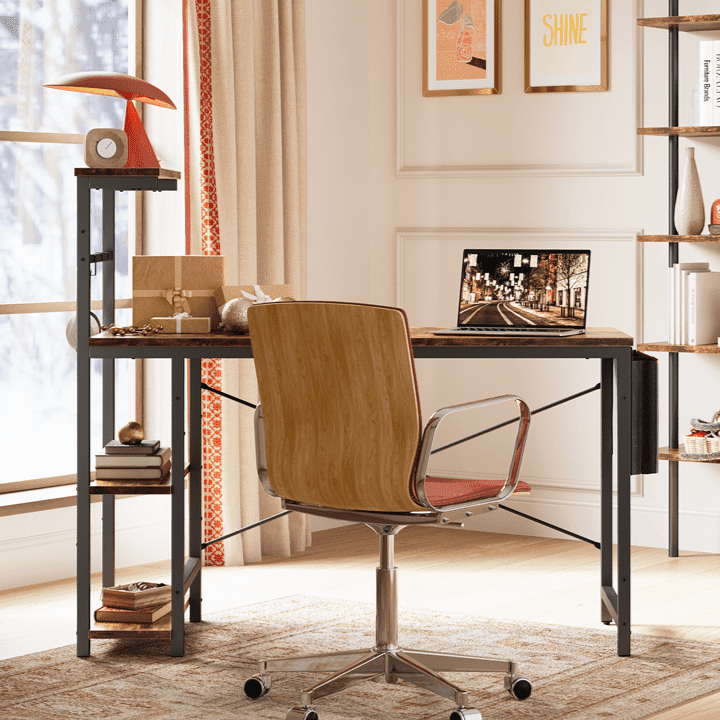
In a studio apartment, an L-shaped desk can turn an unused corner into a productive workstation while preserving open floor space for living and sleeping zones. The key is selecting the right size, orientation, and storage approach so the desk enhances rather than crowds your compact layout.

Why L-Shaped Desks Suit Studio Apartments
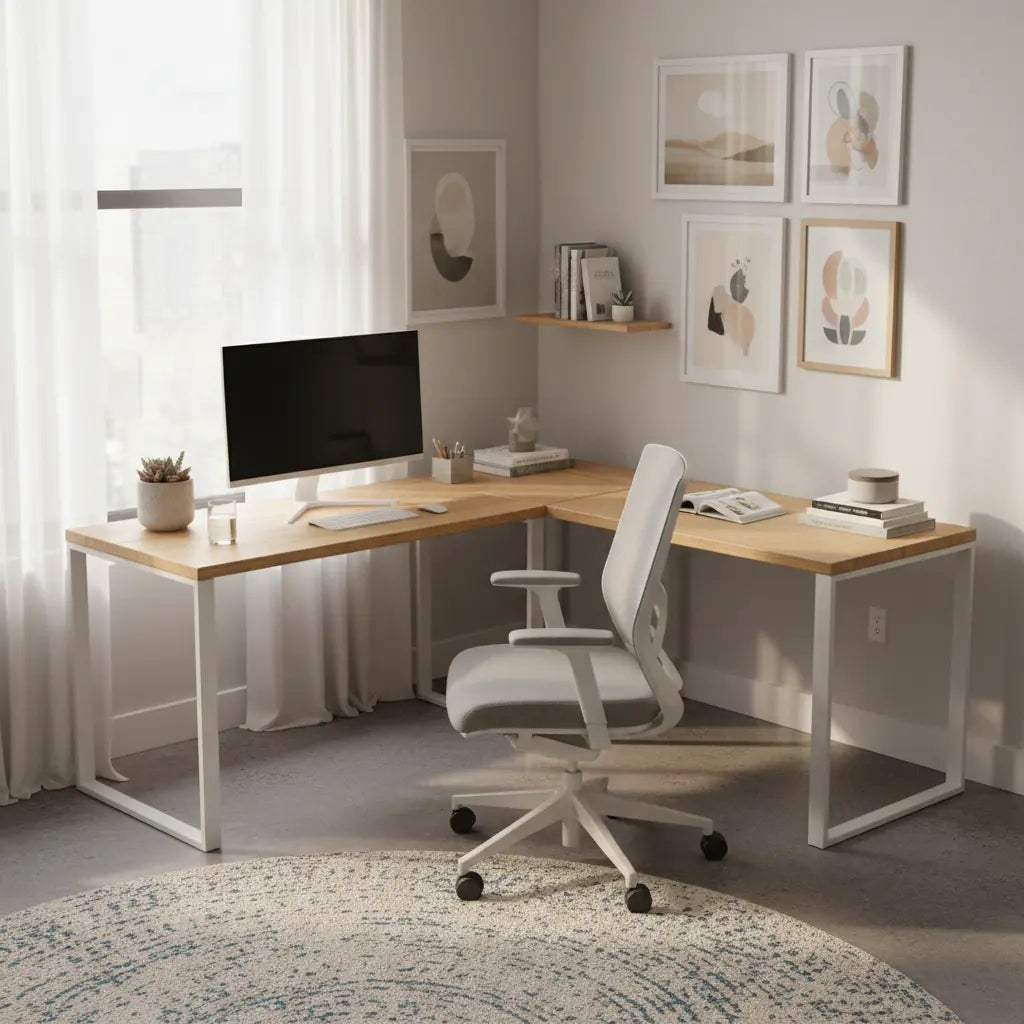
Studio living demands furniture that works harder per square foot. An L-shaped desk naturally follows two walls, converting dead corner space into usable surface area without extending far into the room's center. This configuration often allows better separation of work from rest areas, helping the single room feel more organized and multifunctional.
According to general space-planning principles, defining distinct zones for work, sleep, and living makes a studio easier to navigate and psychologically more comfortable. Placing the desk in a corner keeps the main circulation path clear, reducing the sense of clutter that oversized or poorly positioned furniture can create.
Many urban renters and remote workers discover that a well-chosen corner desk provides the dedicated workspace they need without requiring a separate room. However, success depends on matching the desk's footprint to your actual room dimensions and daily routines.
Choosing the Right Size and Orientation
The most common mistake is selecting a desk that is too large for the available corner. Measure both walls forming the corner, then subtract at least 30-36 inches for chair pull-out and comfortable movement. A desk that forces you to squeeze past it daily will quickly make the studio feel smaller.
Internal guides suggest a 47-inch span often suffices for single-monitor setups, while dual monitors typically require at least 55 inches of primary surface. In practice, aim for the smallest size that meets your monitor and task needs rather than maximizing desktop real estate.
Orientation matters equally. Some L-shaped models are reversible, letting you decide whether the longer leg runs along the window wall or the more private side. Test the layout by taping the outline on the floor and walking through your normal routines before committing.

Here is a helpful visualization of how different desk sizes perform in typical studio scenarios:
Suggested L-Shaped Desk Size Range by Monitor Count
Illustrative comparison of desk size ranges for studio apartment corners; higher values indicate a better fit for the scenario, not a measured score.
View chart data
| Category | Small (<48") | Medium (48-60") | Large (>60") |
|---|---|---|---|
| Single monitor | 4.0 | 2.0 | 5.0 |
| Dual monitors | 1.0 | 4.0 | 3.0 |
| Studio fit safety | 0.0 | 1.0 | 1.0 |
Heuristic illustration based on general desk-sizing guides (about 47 in for a single monitor and 55 in for dual monitors) plus common space-principle judgment for typical studio apartments. Values express relative fit and are not measurements or official statistics.
This heuristic chart shows that medium sizes often strike the best balance for dual-monitor work in constrained spaces, while very large desks score lower on overall studio fit.
Common Myths About L-Shaped Desks in Small Spaces
Several misconceptions can lead to disappointing purchases. Many assume any L-shaped desk automatically saves space. In reality, it only delivers that benefit when the return leg does not obstruct the room's primary walkway or daylight.
Another widespread belief is that bigger always equals better. Oversized desks frequently dominate the visual field in studios under 500 square feet, making the entire apartment feel tighter rather than more functional. Similarly, the idea that maximum built-in storage is always advantageous overlooks how added shelves and cabinets increase perceived bulk.
The most practical approach is to treat the L-shape as a tool for corner utilization rather than a guaranteed space expander. When the geometry mismatches your traffic flow, a simpler straight desk along one wall often proves less intrusive.
Layout Strategies That Preserve Room Flow
Successful studio setups treat the desk as one element within a larger zoning plan. Position the L-desk in a true corner away from the main entrance path. This placement keeps the center of the room open for movement between sleeping, living, and kitchen areas.
Leave at least 36 inches of clear walkway around the seated area. If your studio includes a bed nearby, orient the desk so the longer surface faces away from the sleep zone to create a mental boundary between work and rest.
Vertical storage becomes valuable here. Opt for models with modest shelves or drawers that rise upward instead of spreading outward. This approach adds function while minimizing floor impact. As small-space design principles suggest, compact storage helps reduce overall visual clutter when it replaces scattered items rather than adding new bulk.
For renters, choose pieces that require no wall anchoring or permanent modifications. Reversible L-shaped designs offer flexibility if you later rearrange the apartment.
Storage Solutions Without Overcrowding
Storage is useful only when it serves your actual workflow. A corner desk with shelves can hold monitors, printers, or office supplies, but overloading the surface quickly creates visual chaos in a studio.
Prioritize models with integrated cable management and minimal upper shelving. Hooks or small side organizers often provide better utility than deep drawers that eat into leg room. The goal is keeping the desktop clear so the room retains an open, airy feeling.
Many users regret adding extensive storage because it makes the desk feel heavier and more permanent. Instead, combine the desk with a slim rolling cart or wall-mounted organizers that can be relocated as needs change.
Ergonomics and Comfort in Tight Quarters
Even compact setups benefit from attention to posture. Position your monitor so the top sits at or slightly below eye level, and maintain neutral wrist and shoulder positions. In small rooms, this sometimes requires choosing a desk with adjustable height or adding a monitor stand.
Good lighting remains crucial. Place the desk to capture natural light without glare on screens, or supplement with a task lamp that clips onto the desk rather than taking floor space. These small adjustments significantly improve how long you can comfortably work in the corner zone.
Mistakes That Make Studios Feel Smaller
Avoid pushing the desk against a window if it blocks valuable daylight or complicates window operation. Similarly, do not choose an L-shape that forces the chair into a high-traffic path between the bed and bathroom.
Another frequent error is underestimating the space needed for the chair when fully pulled out. Many buyers measure only the desk itself and discover too late that the setup restricts movement. Always account for the full footprint including the user.
Visual clutter compounds the problem. Dark, bulky desks or those with prominent hardware can make even well-proportioned rooms feel oppressive. Lighter finishes and clean lines generally integrate better into studio environments.
When an L-Shaped Desk May Not Be the Best Choice
Skip the L-shaped option if your studio lacks a suitable corner, if the only available corner sits in the main thoroughfare, or if you frequently rearrange furniture. In those situations, a straight wall-mounted or compact rectangular desk usually preserves better flow.
Likewise, if your work requires only occasional laptop use, the extra surface of an L-desk may become unused dead space that simply occupies valuable real estate. Renters who anticipate moving soon might prefer lighter, more modular pieces over a substantial corner desk.
How to Evaluate Your Space Before Buying
Begin with a simple audit. Measure the corner walls, note existing outlets, windows, and traffic patterns. Sketch the room to scale and test different desk placements using painter's tape on the floor.
Ask yourself whether the proposed desk leaves at least three feet of clear path around the primary living area. Check if the setup maintains separate visual zones for work and relaxation. Finally, confirm that adding the desk will not block natural light or create new dark corners.
These checkpoints help translate abstract space-saving claims into concrete, room-specific decisions.
Recommended Features for Studio Compatibility
Look for reversible configurations, built-in power outlets, and modest LED lighting that adds function without overwhelming the small room. Models with monitor stands can free up desktop area while improving ergonomics.
Light wood tones or white finishes tend to recede visually, helping the desk blend into the apartment rather than dominate it. Integrated cable channels keep wires tidy, preventing the cluttered appearance that makes small spaces feel chaotic.
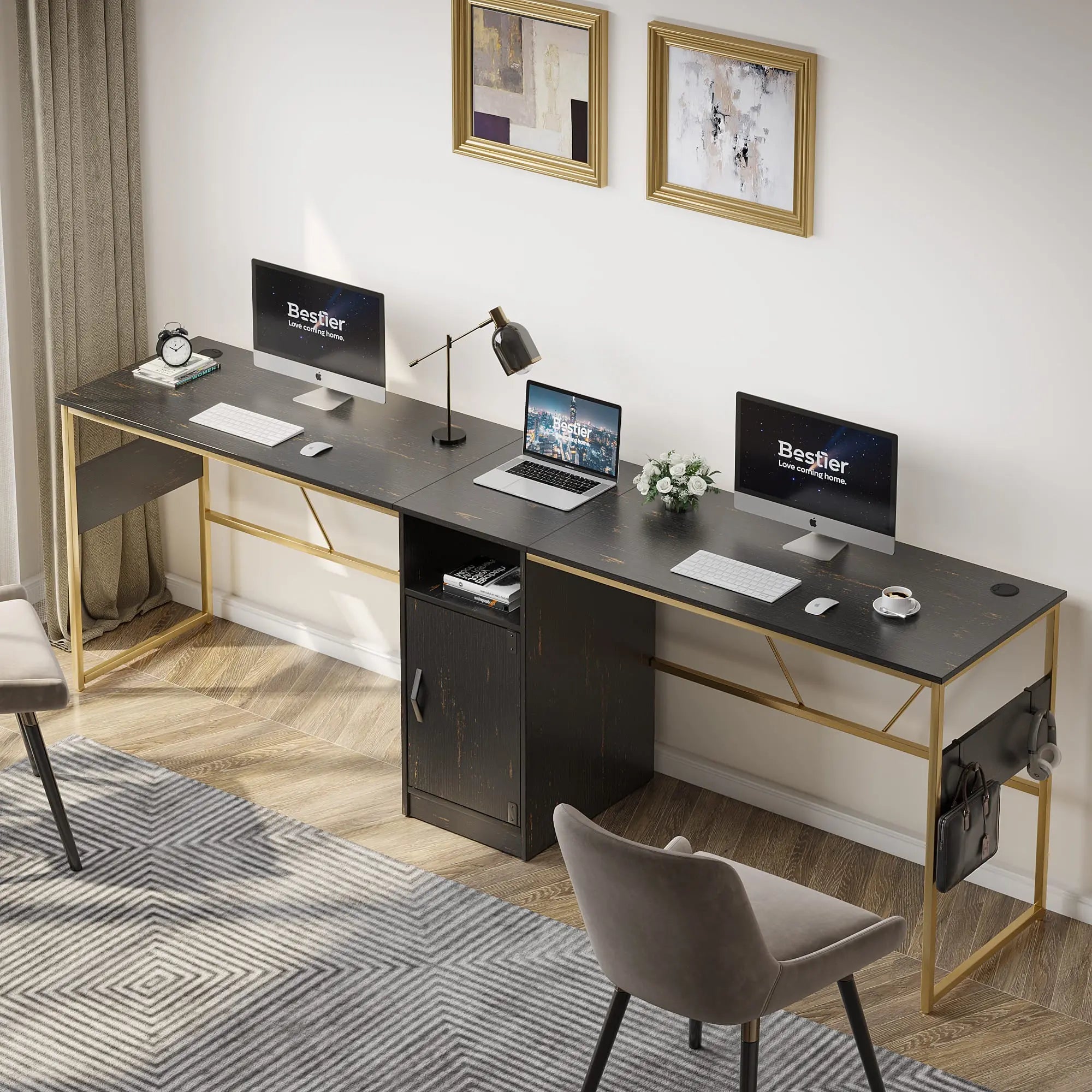
For example, the Bestier 42" Reversible L-Shaped Gaming Desk offers compact dimensions, power outlets, and storage options that many studio dwellers find practical.
Creating Mental Boundaries in One-Room Living
Beyond physical fit, the desk helps establish a psychological work zone. When the workday ends, simply turning the chair away or using a small room divider can signal the transition to personal time. This mental separation proves especially valuable when work and living occupy the same square footage.
Consistent routines, such as closing the laptop and clearing the desktop each evening, reinforce the boundary and prevent the workspace from bleeding into relaxation areas.
Final Thoughts on Corner Optimization
An L-shaped desk can successfully transform a neglected studio corner into an efficient home office, provided you prioritize proper sizing, thoughtful placement, and restrained storage. The difference between a cramped setup and a harmonious one often comes down to a few inches of clearance and careful attention to room flow.
By measuring thoroughly, testing the layout in advance, and choosing a desk scaled to your actual needs rather than maximum capacity, you can gain productive workspace without sacrificing the openness that makes small-apartment living enjoyable. The most successful studio offices feel like natural extensions of the room rather than additions that fight against it.
This article only discusses comfort and setup advice for small-space furniture. It does not constitute medical advice, diagnosis, or treatment. If you experience persistent discomfort or have existing health conditions, consult qualified professionals.
For more small-space inspiration, explore our guide to multi-functional furniture for urban homes or discover 7 efficient L-shaped desk layouts for bedroom offices. You might also find value in learning how to choose the perfect desk size for your specific room.
When comparing options, review our overview of L-shaped versus straight desks to ensure you select the layout that best matches your studio's unique constraints. For additional corner solutions, see small space furniture ideas that utilize dead corners effectively.
