
Dopamine Decor: Using Color and Light to Boost Your Mood
Disclaimer: This article is for informational purposes only and does not constitute medical or mental health advice. The suggestions provided are intended for environmental design and general well-being. If you are experiencing persistent mood disorders or sleep issues, please consult a qualified healthcare professional.
Summary
Dopamine decor is a design philosophy that prioritizes personal joy and emotional well-being by using vibrant colors, dynamic lighting, and meaningful personal touches to create a workspace that can help boost mood and productivity. By strategically integrating high-saturation palettes and circadian-aligned RGB lighting, you can transform a sterile home office into a "dopamine desk" designed to reduce environmental stress and support cognitive focus throughout the workday.
Key takeaways
- Personalization over Trends: Dopamine decor focuses on what makes you happy, rather than following rigid aesthetic rules.
- Color Psychology: Bright, warm colors like yellow and coral are often associated with creativity, while cool blues and greens can promote a sense of calm and focus.
- Lighting for Circadian Rhythm: Using tunable RGB lighting helps align your environment with your internal clock, which may improve sleep quality and daytime alertness.
- Tactile and Visual Variety: Incorporating different textures and personal mementos provides sensory stimulation that can help mitigate mental fatigue.
- Safety First: When selecting furniture, prioritize materials that meet CARB Phase 2 and EPA TSCA Title VI standards to ensure better indoor air quality.
What is Dopamine Decor and Why Does it Matter in 2026?
In the fast-paced digital landscape of 2026, the boundary between work and life has become increasingly fluid. Dopamine decor has emerged not just as a design trend, but as a psychological tool for supporting mental well-being in high-pressure environments. At its core, dopamine decor is about "decorating for your brain." It moves away from the stark minimalism of previous decades toward a more expressive approach that celebrates color, light, and individuality.
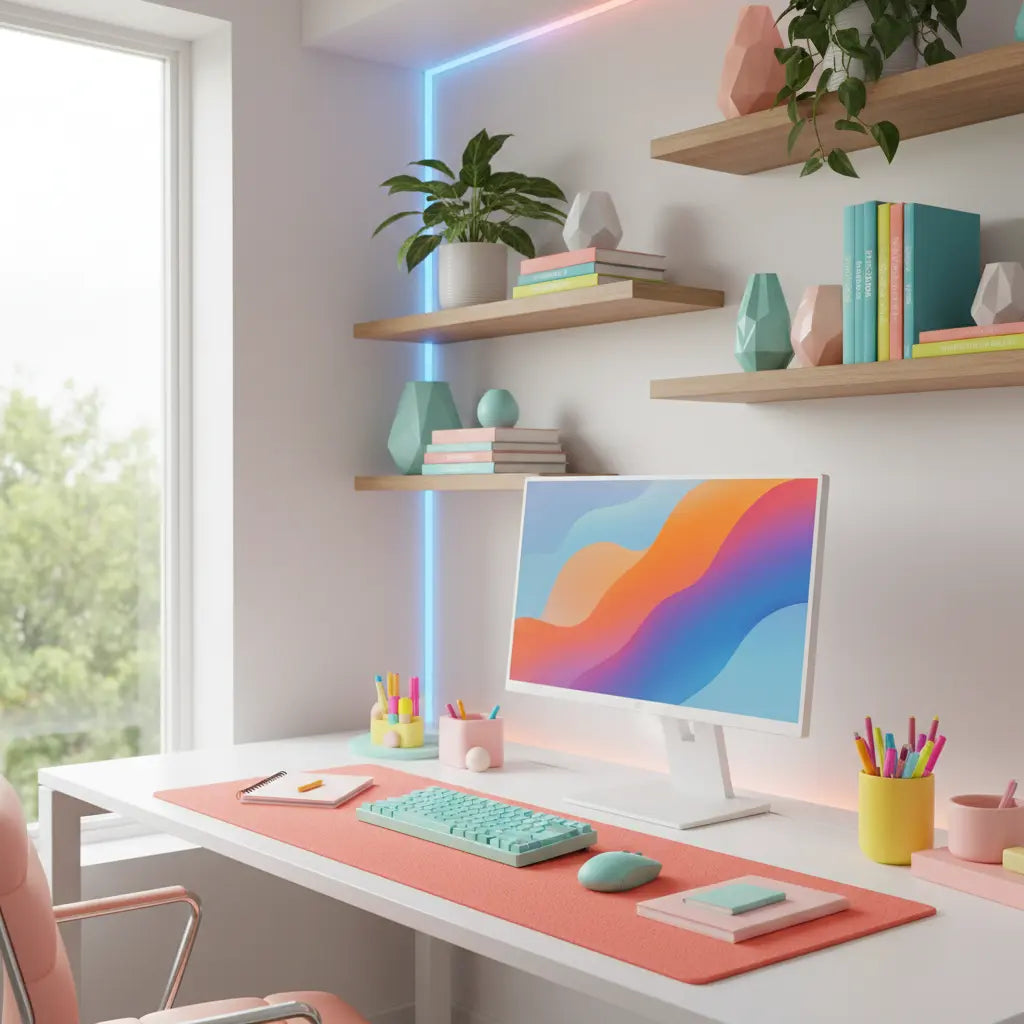
The term "dopamine desk" refers to a workspace specifically curated to evoke positive emotional responses—often associated with the release of dopamine, a neurotransmitter linked to pleasure and motivation. When you surround yourself with colors and objects that evoke positive memories, your brain experiences small, consistent "micro-joys," which can improve your resilience against burnout. This is particularly effective when creating a dopamine-boosting workspace that balances aesthetic joy with functional ergonomics.
Logic Summary: The recommendation for dopamine decor is based on environmental psychology principles suggesting that personalized workspaces can significantly increase job satisfaction and emotional engagement. While effective for many, individuals with sensory processing sensitivities should moderate the intensity of colors and lights to avoid potential overstimulation.
The Science of Color: Choosing Your Mood-Boosting Palette
Color is one of the most powerful tools in the dopamine decor toolkit. Different wavelengths of light can interact with our environment to influence our perceived energy levels. For instance, exposure to warm colors like yellow and orange is frequently linked to increased feelings of optimism and alertness.
When designing your dopamine desk, consider these common color-mood associations:
- Sunny Yellows & Corals: Often used for creative tasks and brainstorming. These high-energy colors can help mitigate the "afternoon slump."
- Sky Blues & Sage Greens: Frequently recommended for high-stress roles or deep-focus work. These shades are associated with lower perceived stress and a sense of tranquility.
- Vibrant Purples & Pinks: Often featured in pink gaming setup ideas to create a sense of whimsy, which can encourage unconventional thinking.
While color psychology provides a general framework, personal preference is the ultimate guide. If a specific shade of neon green makes you feel energized, it has a place in your workspace, regardless of traditional design "rules."
Lighting the Way: RGB and Circadian Alignment
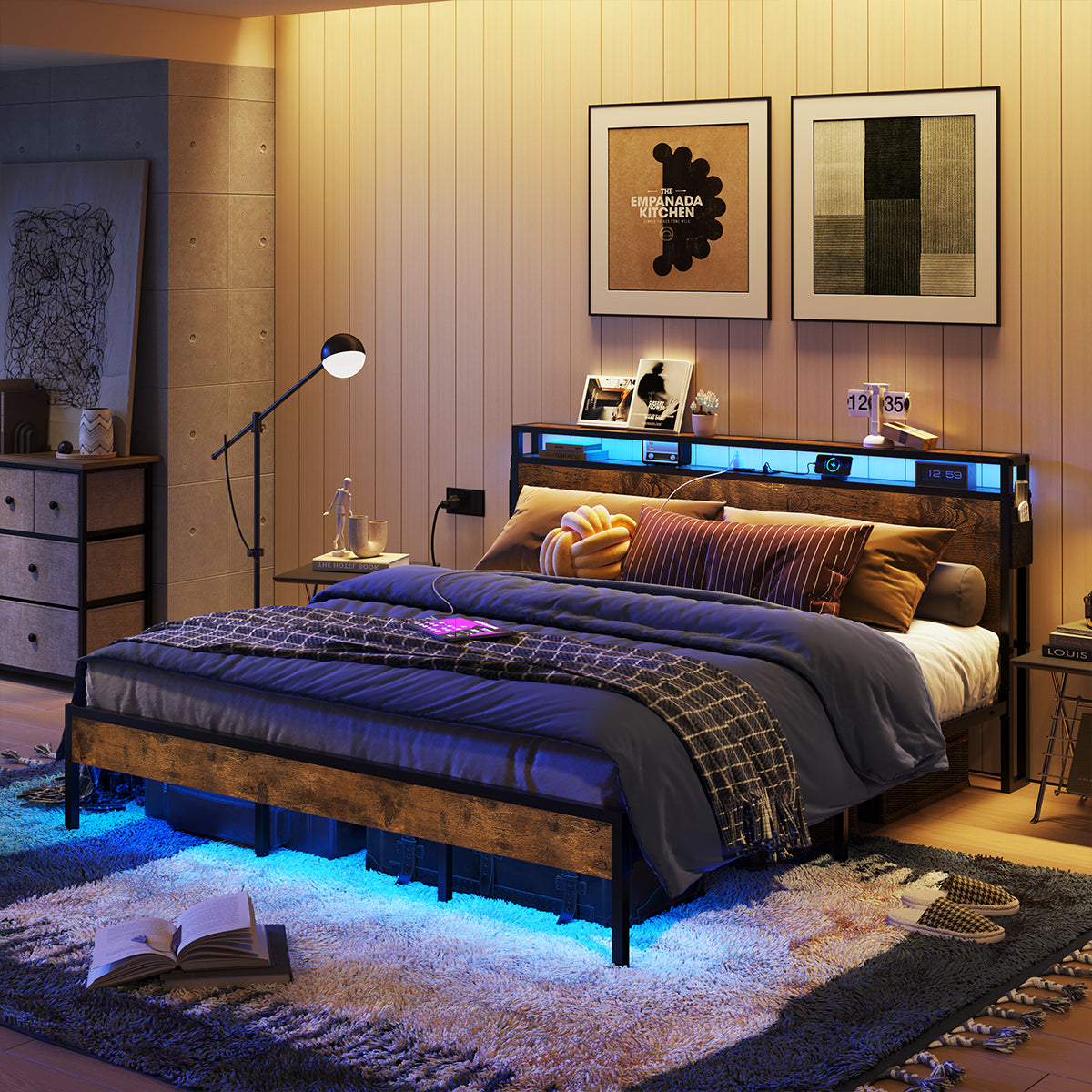
Lighting is the second pillar of a successful dopamine desk. We now have a deeper understanding of how artificial light affects our circadian rhythms—the internal 24-hour clock regulating sleep and wakefulness. Standard office lighting is often static, which can interfere with natural melatonin cycles.
By using LED-equipped gaming desks, you gain control over your environment's color temperature and intensity. For the best experience, look for lighting with a Color Rendering Index (CRI) of 80 or higher to ensure your decor colors remain vibrant and true.
Modern RGB systems allow for "circadian-tuned" lighting:
- Morning (Energize): Bright, cool-toned blue light (approx. 5000K-6500K) at roughly 500 lux to mimic the morning sun and help you feel alert.
- Afternoon (Focus): Neutral white light (approx. 4000K) at 300-500 lux to maintain concentration without excessive harshness.
- Evening (Wind Down): Warm, amber or red tones (approx. 2000K-2700K) at lower intensities (<100 lux) to signal to your brain that it is time to rest.

Beyond biological health, syncing RGB lighting with your devices creates an immersive experience that can make work feel more engaging. This "gamification" of the workspace is a key component of the dopamine desk philosophy.
Safety and Sustainability: The Foundation of a Healthy Setup
While aesthetics are crucial, the physical health of your environment is the foundation upon which mood is built. A desk that off-gasses harmful chemicals can detract from your long-term well-being.
As detailed in the authoritative guide to engineered wood safety, it is essential to look for furniture that complies with CARB Phase 2 and EPA TSCA Title VI standards. These regulations strictly limit the emission of formaldehyde, a common VOC (volatile organic compound). When your workspace meets these safety standards, you can focus on your tasks with greater peace of mind.
Comparison: Traditional Office vs. Dopamine Desk
| Feature | Traditional Office | Dopamine Desk |
|---|---|---|
| Color Palette | Neutral (Gray, Beige, White) | Vibrant, Personal, High-Contrast |
| Lighting | Static Overhead Fluorescent | Dynamic RGB / Circadian-Tuned |
| Personalization | Minimal (One photo, one plant) | Maximal (Mementos, Art, Textures) |
| Primary Goal | Uniformity and Professionalism | Emotional Well-being and Joy |
| Impact on Focus | Can feel sterile or uninspiring | Designed to be stimulating and motivating |
Practical Steps to Create Your Dopamine Desk
Creating a dopamine-rich environment can be achieved through incremental changes that prioritize your sensory experience.
1. Start with a Functional Base
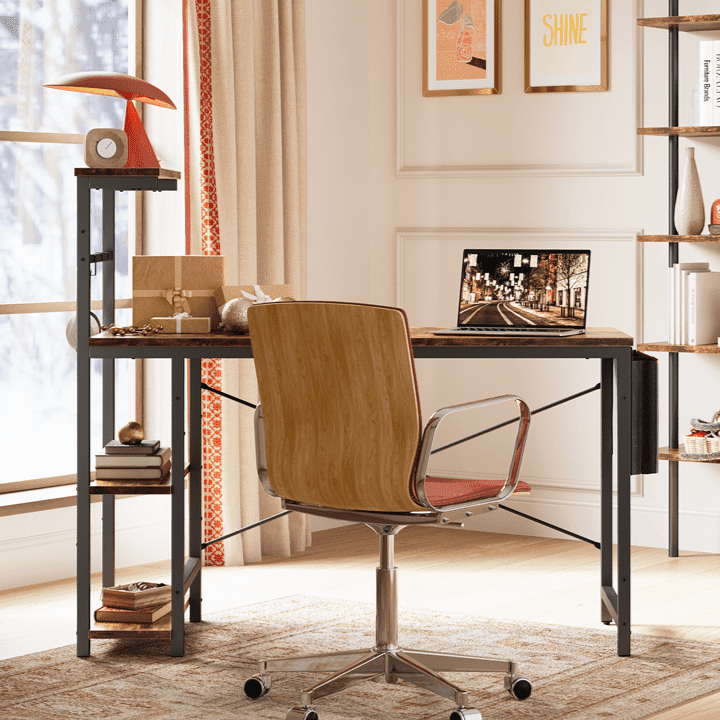
Choose a desk that offers the features you need for your specific workflow. For many, an L-shaped design provides the necessary real estate for both work and creative play. You can explore a full range of LED gaming desks to find a model that integrates lighting directly into the frame, which helps reduce cable clutter.
2. Layer Your Lighting
Avoid relying on a single light source. Combine natural light with task lighting (like a desk lamp) and ambient lighting (like RGB strips). This layering creates depth and allows you to adjust the atmosphere as your tasks change throughout the day.
3. Incorporate "Micro-Joys"
Add small items that prompt a smile. This could be a collection of vinyl figures, a colorful coaster, or a high-quality mechanical keyboard with custom keycaps. These items provide the tactile and visual stimulation that keeps the brain engaged.
4. Optimize for Focus
For individuals who may struggle with distractions, such as those with ADHD, organizing for better focus and productivity is a critical step. Use colorful organizers to categorize tasks, making the organization process itself a source of visual satisfaction.

5. Create a "Cozy" Zone
If your work involves long hours of reading, consider creating a warm, cozy atmosphere in one corner of your desk. Soft textures and warm-toned lights can make deep work feel more like a retreat than a chore.
FAQ
Can dopamine decor be too distracting for work? It is possible to overstimulate the brain with too many competing colors. The key is to find a balance that feels "energizing" rather than "chaotic." If you find yourself losing focus, try simplifying your palette or using more neutral tones for your immediate field of vision while keeping vibrant colors in your periphery.
How do I choose the right RGB colors for productivity? Some research suggests that blue and green light are effective for tasks requiring concentration. However, for creative work, warmer tones like orange or soft purples may help lower inhibitions. Use a programmable controller to switch between "Focus Mode" (Cool Blue) and "Creative Mode" (Warm Amber) as needed.
Is RGB lighting safe for my eyes? Modern LED lighting is generally safe, but excessive blue light exposure at night can disrupt sleep. To mitigate this, choose high-quality LED products with a high CRI and use software or built-in settings to reduce blue light output in the evening.
What if I rent and can't paint my walls? Dopamine decor is highly adaptable for renters. You can use peel-and-stick wallpaper, colorful desk mats, and RGB light strips that attach with adhesive to transform your space without making permanent changes.
How does dopamine decor differ from maximalism? While both styles embrace color, dopamine decor is specifically focused on the emotional response to the environment. Every item should serve a purpose in supporting the user's mood or motivation.
Does furniture material really affect my mood? Indirectly, yes. Furniture made from safe, non-toxic materials provides a sense of security. Knowing your desk meets safety standards like CARB Phase 2 can reduce "environmental anxiety," allowing you to feel more relaxed in your space.
References
Government / Standards / Regulators
- EPA: Formaldehyde Emission Standards for Composite Wood Products (TSCA Title VI)
- California Air Resources Board (CARB): Airborne Toxic Control Measure (ATCM)
Industry Associations / Research Institutes
- Work Design Magazine: The Psychology of Color in the Workplace
- Lighting Research Center (LRC): Circadian Lighting and Health
Academic / Whitepapers / Labs
- Nature: Impact of Light on Human Circadian Rhythms and Cognitive Performance
- ScienceDirect: Environmental Psychology and Workspace Productivity Studies
