
Summary
A maximalist gaming setup leverages the "dopamine decor" and "clutter-core" movements to create a high-energy, personality-driven workspace that prioritizes visual joy and creative stimulation over traditional minimalism. By integrating advanced 2026 RGB technologies, such as Matter-enabled syncing and AI-driven lighting, with curated layers of collectibles and memorabilia, users can build an immersive environment that reflects their unique identity while maintaining professional ergonomics and safety standards.
Key takeaways
- Intentional Curation: Clutter-core is defined by purposeful layering and storytelling, distinguishing it from unorganized mess through accessibility and narrative.
- Dopamine Optimization: Bright colors and sensory-rich environments can boost mood and creativity, though balance is required to avoid cognitive fatigue.
- 2026 Tech Integration: Modern setups utilize Matter-enabled RGB devices for seamless interoperability across gaming peripherals and smart home ecosystems.
- Safety First: High-density setups require rigorous attention to electrical load management, fire safety, and indoor air quality to ensure long-term health and equipment longevity.
- Sustainable Maximalism: Prioritizing high-quality, eco-certified materials and upcycled decor helps mitigate the environmental footprint of a dense aesthetic.
The Psychology of the Dopamine Desk: Why More is More
The shift toward maximalism in gaming and home office design is more than just a visual trend; it is a psychological response to the sterile, "sad beige" aesthetics of previous years. The "dopamine desk" concept focuses on surrounding oneself with objects that trigger joy, nostalgia, and creative energy. In 2026, as remote work and digital creation remain central to our lives, the workspace has evolved into a sanctuary of self-expression.
Research into sensory environments suggests that for many individuals, a vibrant, high-energy space can significantly enhance mood and motivation. By surrounding your desk with items that have personal meaning—action figures, art prints, or vintage tech—you create a feedback loop of positive reinforcement. However, it is important to note that the boundary between stimulation and overstimulation is personal. While some thrive in a sensory-rich environment, others may experience cognitive fatigue if the visual noise becomes too chaotic. The goal of a maximalist setup is to find the "sweet spot" where the environment feels alive but not overwhelming.
Logic Summary: This approach assumes that the user finds comfort in visual complexity. It is recommended for creative professionals and gamers who spend long hours at their desks and benefit from a personalized "third space." It may not apply to those with sensory processing sensitivities or those who require absolute visual silence for deep focus.
Defining Clutter-Core: Curation vs. Chaos
The term "clutter-core" often leads to misconceptions. It is not an excuse for a messy desk; rather, it is the art of intentional curation. In a professional maximalist gaming setup, every item has a place and a purpose. This aesthetic relies on three core principles: intentional curation, layered storytelling, and maintained accessibility.

To achieve this, many creators start with a robust foundation, such as a 58-inch LED L-shaped gaming desk, which provides the surface area needed for both hardware and decor. Layering involves placing larger items toward the back and smaller, more detailed pieces in the foreground. This creates a sense of depth and allows the eye to travel across the setup, discovering new details over time.
When building your setup, consider the materials of your furniture. High-density maximalism often means more weight and more time spent in close proximity to your desk. We recommend reviewing our comprehensive guide to CARB & TSCA standards to understand how engineered wood safety affects your indoor air quality, especially when your room is filled with various decorative materials.
Advanced RGB Integration in 2026
By 2026, RGB lighting has moved far beyond simple "rainbow puke." The current standard is defined by Matter-enabled interoperability and AI-driven synchronization. This means your desk lighting, PC peripherals, and even your room's smart bulbs can function as a single, cohesive ecosystem.
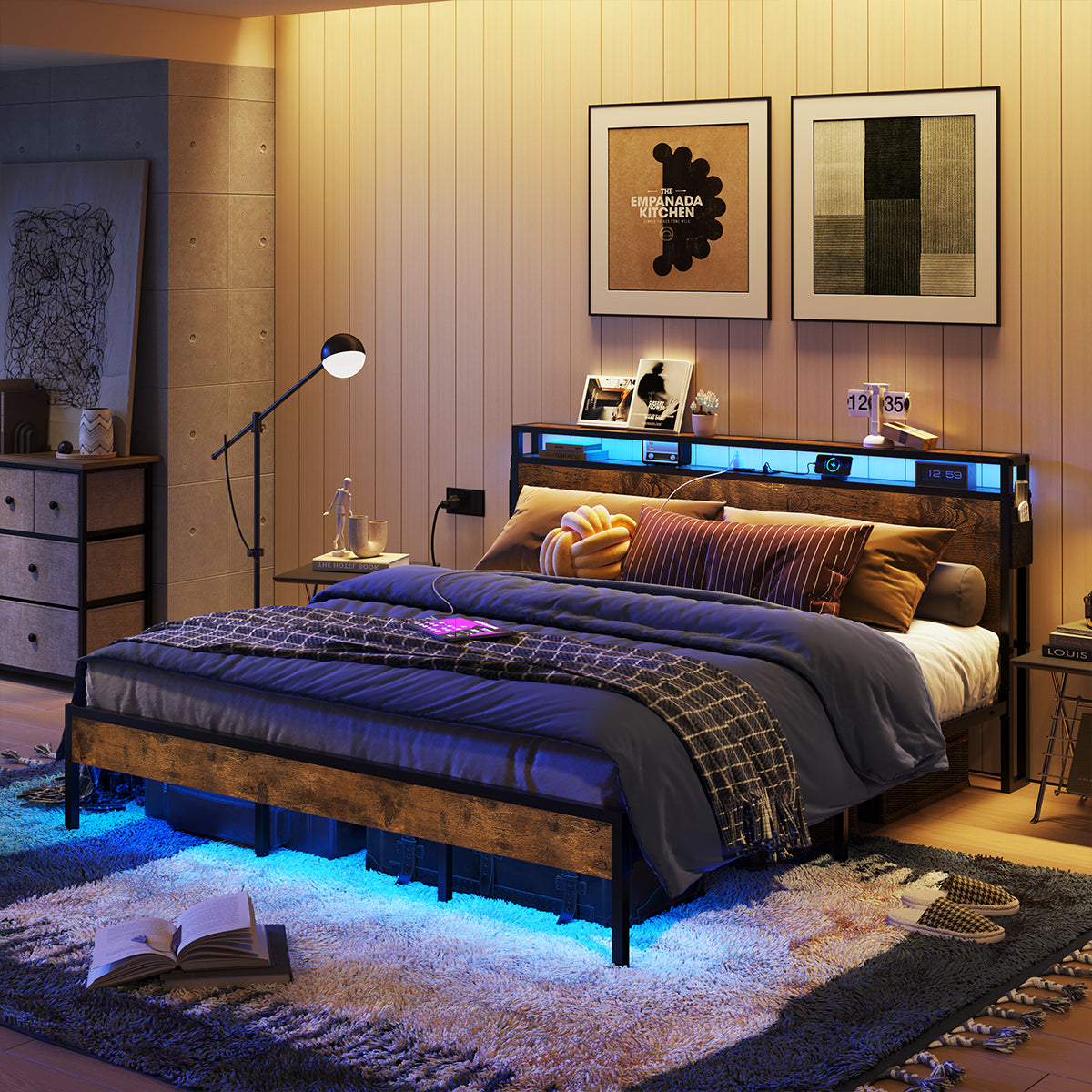
Modern setups often utilize indirect lighting to create a glow that enhances the clutter-core aesthetic without causing glare. Placing LED strips behind monitors, under desk edges, and inside shelving units allows the light to bounce off your collectibles, highlighting their textures and colors. For a truly immersive experience, many users now sync their desk RGB lighting with their gaming PC to reflect in-game environments or music rhythms.
The Role of Matter and AI
The adoption of the Matter standard allows for seamless control across different brands. You no longer need five different apps to manage your lighting. Furthermore, AI-driven lighting profiles can now adjust the color temperature of your setup based on the time of day—shifting from energizing cool blues during the day to warm, dopamine-boosting oranges and purples in the evening.
Safety and Maintenance in High-Density Setups
A maximalist setup, by definition, involves a high density of electronics and decorative items. This presents unique challenges for heat management, fire safety, and cleanliness. Ignoring these factors can lead to equipment failure or, in extreme cases, household hazards.
| Category | Consideration | Recommended Action |
|---|---|---|
| Electrical Load | High-RGB setups can draw significant power. | Use UL-certified power strips and calculate total wattage to avoid overloading circuits. |
| Heat Management | Densely packed items can block airflow. | Ensure at least 3-5 inches of clearance around PC vents and consoles. |
| Fire Safety | Multiple extension cords and flammable decor. | Keep fabric decor away from heat sources and use high-quality, surge-protected outlets. |
| Air Quality | Dust accumulation on collectibles. | Use an air purifier with a HEPA filter and perform weekly dusting with microfiber cloths. |
| Cable Safety | "Cable spaghetti" is a trip and fire hazard. | Implement advanced cable management hacks to organize and secure all wiring. |
Logic Summary: These recommendations are based on NFPA fire safety guidelines and EPA indoor air quality standards. They assume a setup with at least 5+ powered devices and a high volume of decorative items.

Sustainable Maximalism: A Responsible Approach
One of the most significant gaps in the maximalist trend is the environmental impact of "more." To build a sustainable maximalist gaming setup, focus on quality over quantity. Instead of buying mass-produced plastic decor, consider upcycling vintage items or supporting independent artists.
Choosing furniture that meets strict environmental standards, like those found in our LED gaming desk collection, ensures that your setup is built to last. A durable desk reduces the need for frequent replacements, which is the most effective way to lower your carbon footprint. Additionally, look for RGB solutions that are energy-efficient and Matter-certified to ensure they remain compatible with future tech, preventing premature electronic waste.
Designing for Focus: The ADHD-Friendly Angle
Interestingly, the maximalist aesthetic often overlaps with strategies used in ADHD-friendly desk setups. For many neurodivergent individuals, "out of sight, out of mind" is a real challenge. Clutter-core allows for "visual filing," where important tools and inspiring objects are kept within the line of sight.
To make this work without losing productivity, categorize your "clutter." Use specific zones for different activities—a gaming zone, a creation zone, and a display zone. This structure helps the brain transition between tasks while still enjoying the visual richness of the space. For more on how to balance stimulation with productivity, see our guide on how to build a dopamine desk setup for better focus.
FAQ
What is the difference between clutter-core and a messy desk? The primary difference lies in intentionality and maintenance. Clutter-core is a curated display of meaningful items where every piece is placed with purpose to tell a story or spark joy. A messy desk, by contrast, is characterized by random accumulation, lack of organization, and items that hinder rather than help your workflow. In a clutter-core setup, functionality is preserved, and the "clutter" is regularly cleaned and rearranged.
How do I prevent eye strain in a room full of RGB lights? Eye strain is often caused by high contrast between a bright screen and a dark room, or by direct glare from light sources. To minimize strain, use indirect RGB lighting (such as bias lighting behind your monitor) to raise the ambient light level of the room. Ensure your RGB strips are diffused and not shining directly into your eyes. Following OSHA ergonomic guidelines, you should also maintain a consistent level of ambient light that matches the brightness of your displays.
Is it safe to have so many electronics on one desk? It is safe as long as you manage the electrical load and heat dissipation. Always use high-quality, surge-protected power strips and avoid "daisy-chaining" multiple extension cords together. Calculate the total wattage of your devices and ensure it does not exceed the rating of your circuit (typically 15 or 20 amps in US homes). Additionally, keep your PC and gaming consoles in well-ventilated areas, as high-density decor can trap heat.
How do I clean a maximalist setup without it taking hours? The key is prevention and the right tools. Using an air purifier in your gaming room significantly reduces the amount of dust that settles on your collectibles. For cleaning, use a soft makeup brush or a small electric duster to quickly clean figurines and keyboards without moving them. A weekly "quick dust" is much more efficient than a monthly deep clean that requires moving every item.
Can a maximalist setup be professional for WFH video calls? Absolutely. Many professionals use their maximalist setups as a "creator background" for calls. The key is to ensure the area directly behind you is the most curated part of the room. Use RGB lighting to create a "halo" effect or to highlight specific shelves, which adds depth and personality to your video feed. As long as the setup looks intentional and not like a storage room, it can serve as a great conversation starter.
What are the best colors for a dopamine-focused setup? Dopamine decor is highly personal, but generally, bright and saturated colors like electric blue, magenta, and sunset orange are popular. However, you should choose colors that resonate with you personally. Some find "cozy maximalism" with warm woods and forest greens to be more stimulating, while others prefer a "cyberpunk" palette of neons. The goal is to choose a palette that makes you feel energized and happy when you enter the room.
References
Government / Standards / Regulators
- NFPA (National Fire Protection Association): Home Fire Safety Guidelines
- EPA (Environmental Protection Agency): Indoor Air Quality (IAQ) Standards
- OSHA (Occupational Safety and Health Administration): Computer Workstation Ergonomics
- CPSC (Consumer Product Safety Commission): Electrical Safety at Home
Platform official docs & policies
- Connectivity Standards Alliance (CSA): Matter Standard Specifications
Industry associations / research institutes / market reports
- International Interior Design Association (IIDA): Trends in Residential Workspace Design
Academic / whitepapers / labs
- Journal of Environmental Psychology: The Impact of Personalization on Workspace Satisfaction and Productivity
Community
- Reddit r/GamingSetups: Community Trends in Maximalist Design (Intent only; not authoritative)
- Reddit r/Design: Defining the Clutter-Core Aesthetic (Intent only; not authoritative)
