
Why Multi-Functional Furniture Matters in Small Spaces
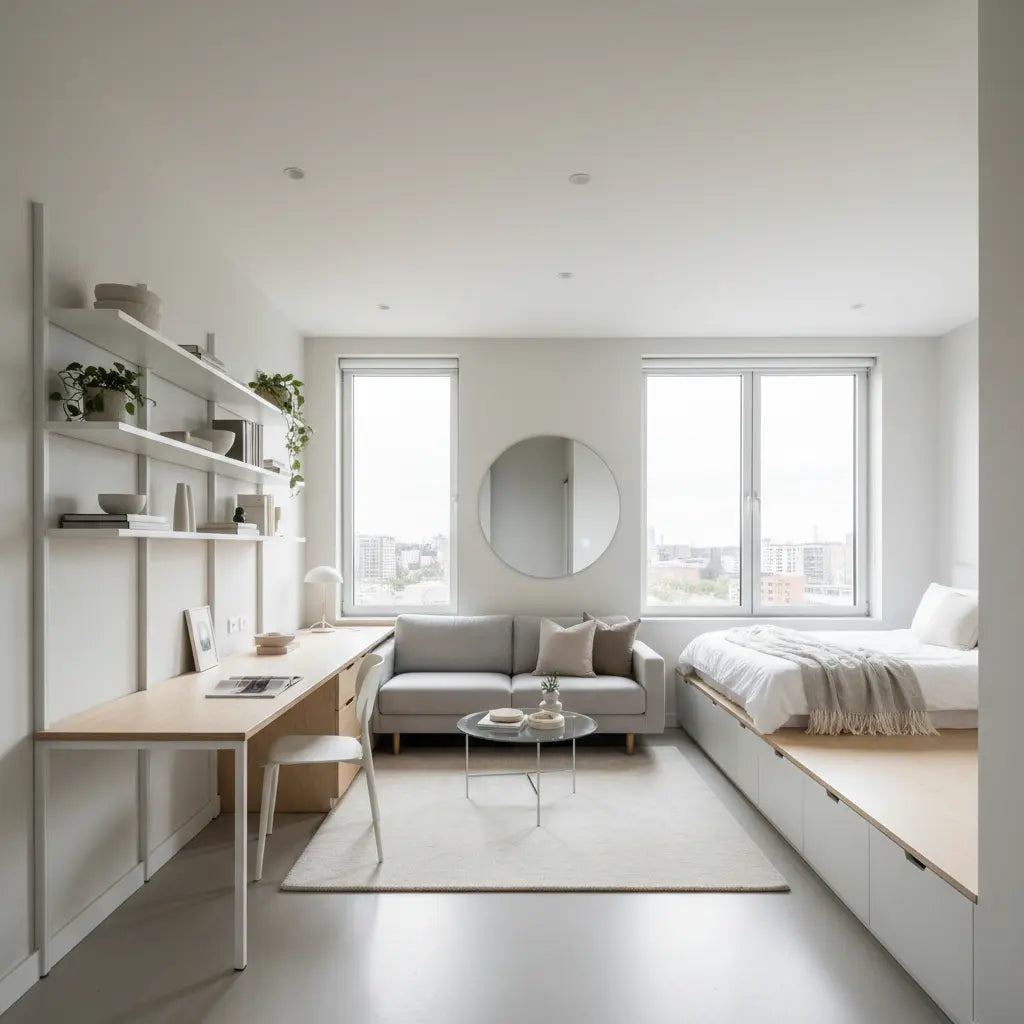
Living in a small urban apartment or studio doesn't mean sacrificing a functional home office, comfortable living area, or smart storage. The most effective way to maximize a small space is to transition from "static" furniture to "systemic" furniture—pieces that serve multiple roles and utilize vertical volume.
The right multi-functional furniture systems let you combine work, rest, and daily needs in limited square footage while keeping the space feeling open. By focusing on vertical storage, compact layouts like L-shaped desks, and pieces that adapt to your schedule, urban dwellers can create high-performance rooms.
Related Guides
- Bakers Rack Home Bar: Small Apartment Beverage Station Ideas
- Beyond the Kitchen: 5 Creative Ways to Use a Bakers Rack
- How to Build a Dopamine Desk Setup for Better Focus
- TikTok Studio Setup: How to Build a Pro Creator Desk on a Budget
- The Ultimate Creator Studio: Essential Desk Features for Streamers
- 5 Cable Management Hacks for LED Gaming Desks

Urban living often means working with under 600 square feet. Traditional furniture quickly eats up floor area or blocks pathways. Multi-functional systems address this by combining storage, workspace, and seating in single footprints.
Common design principles for small homes stress treating furniture, equipment, and people movement as one integrated system. As this Space Planning Basics guide explains, space planning should consider furniture and circulation together. Starting with a list of required functions helps identify pieces that truly pull double duty without overwhelming the room.
Core Planning Principles: The Size and Safety Checklist
Successful small-space design begins with measurement. Before buying, use this checklist to ensure your furniture is both functional and safe:
- Circulation Paths: Maintain a "primary" pathway of 30–36 inches for main traffic areas. For "secondary" paths (like the space between a desk and a bed), 18–24 inches is often the minimum for comfortable movement.
- The 18-Inch Heuristic: In very tight corridors, look for furniture with a depth of 18 inches or less. This is a common "sweet spot" that provides enough surface for a laptop or decor without obstructing the walkway.
- Conversion Stability: For folding or lifting furniture, check for locking pins or "click-clack" mechanisms. A common pattern in high-quality systems is a weighted base or wall-anchoring requirement to prevent tipping when the unit is extended.
- Load Distribution: Always check the "static" vs. "dynamic" weight capacity. A shelf might hold 50 lbs (static), but a desk surface that folds out may have a lower limit when pressure is applied during typing.
- Natural Light Access: Design Guidelines for Multifamily Housing recommend leaving room for furniture without sacrificing access to windows. Avoid blocking more than 25% of a window's height with tall storage.
Quick Selection Guide: Choosing by Scenario
| Scenario | Primary Goal | Recommended Furniture System |
|---|---|---|
| Studio Apartment | Frequent Mode Switching | Low-profile modular seating + Fold-away desks |
| Bedroom Office | Ergonomics & Rest | L-shaped corner desks + Vertical shelving |
| Rental / Temporary | Flexibility & No Damage | Freestanding bakers racks + Clamp-on accessories |
| Shared Living Area | Visual Openness | Storage ottomans + Console tables |
Bottom Line: If you switch modes daily (e.g., sleeping to working in the same spot), prioritize "fast-reset" furniture that doesn't require clearing 10+ items to transform.
Popular Multi-Functional Furniture Types
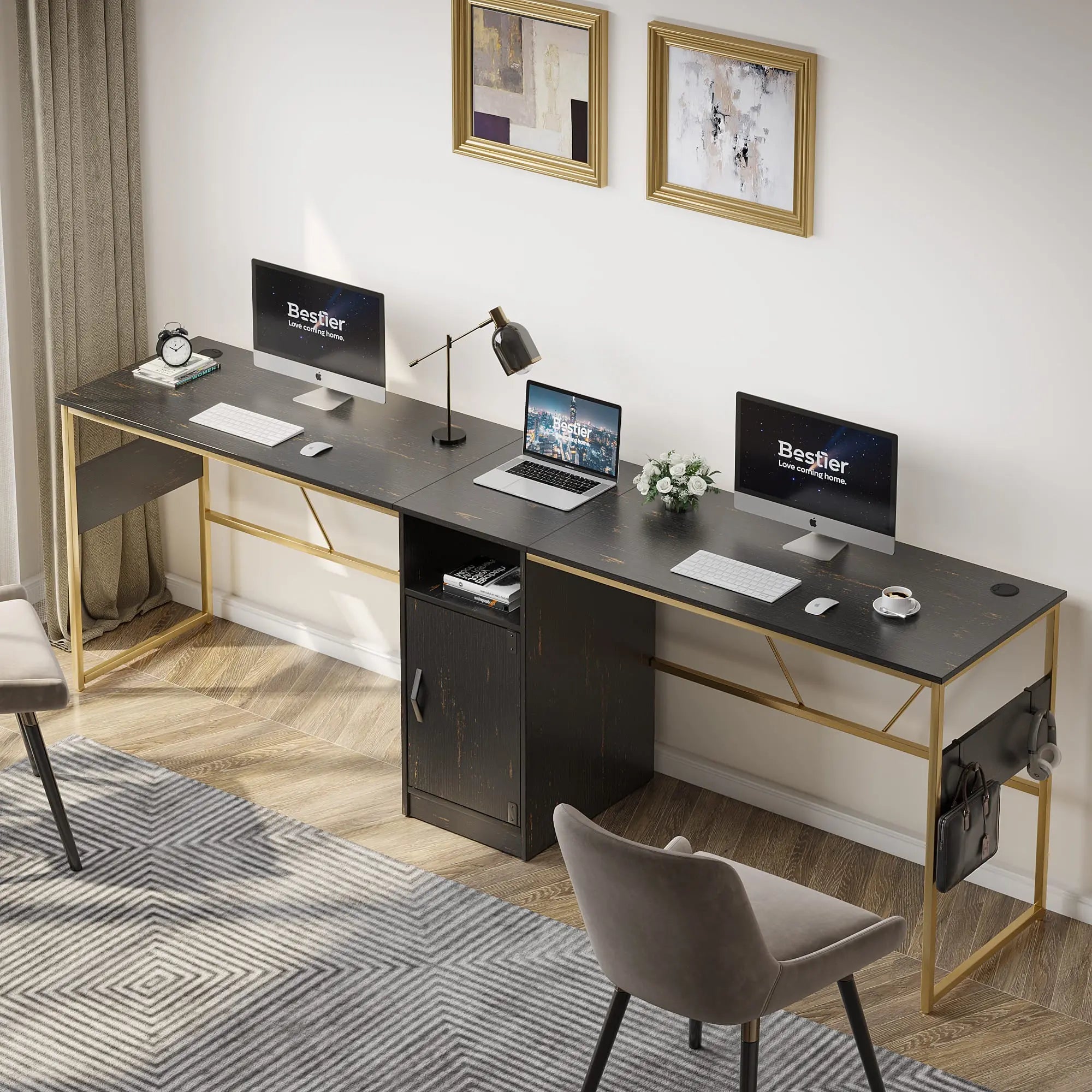
L-shaped desks rank among the top choices for small bedroom offices. Their design hugs walls efficiently, providing ample surface area while occupying relatively little floor space.
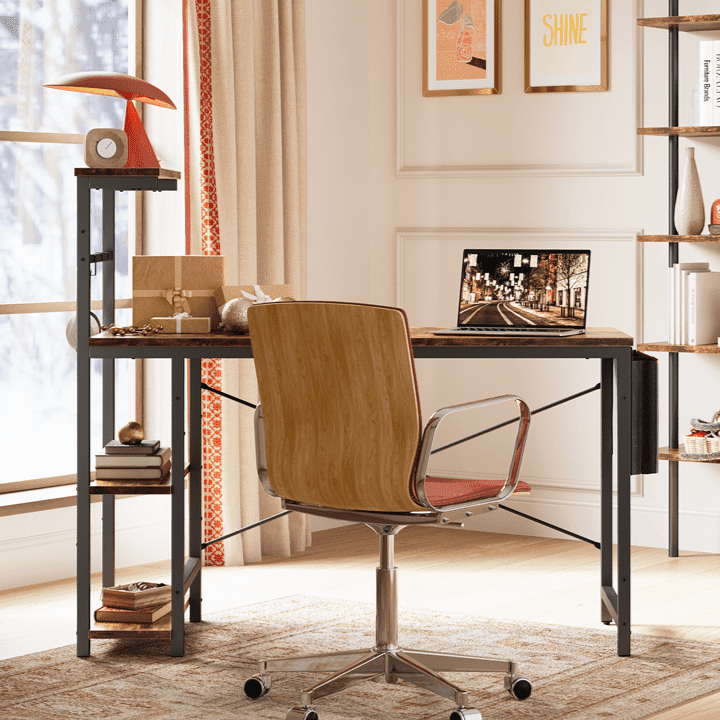
For example, a 47-inch small L-shaped desk with storage shelves works well in tight corners. Pair it with a compact chair that tucks fully underneath when not in use.
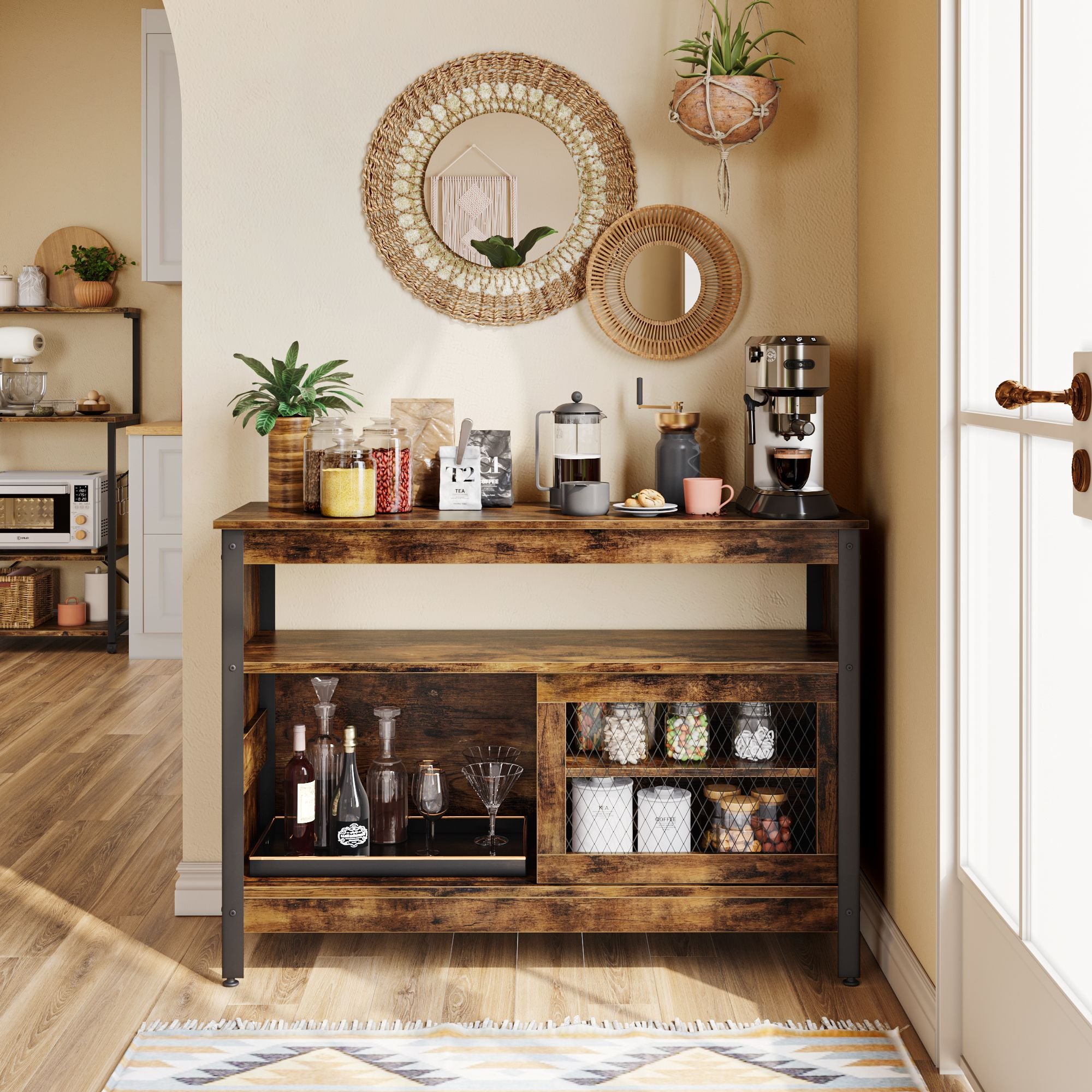
Bakers racks and microwave stands with storage serve kitchens or living areas. A 60-inch bakers rack with power outlets can function as a coffee bar, appliance station, or even a mini home office supply center.
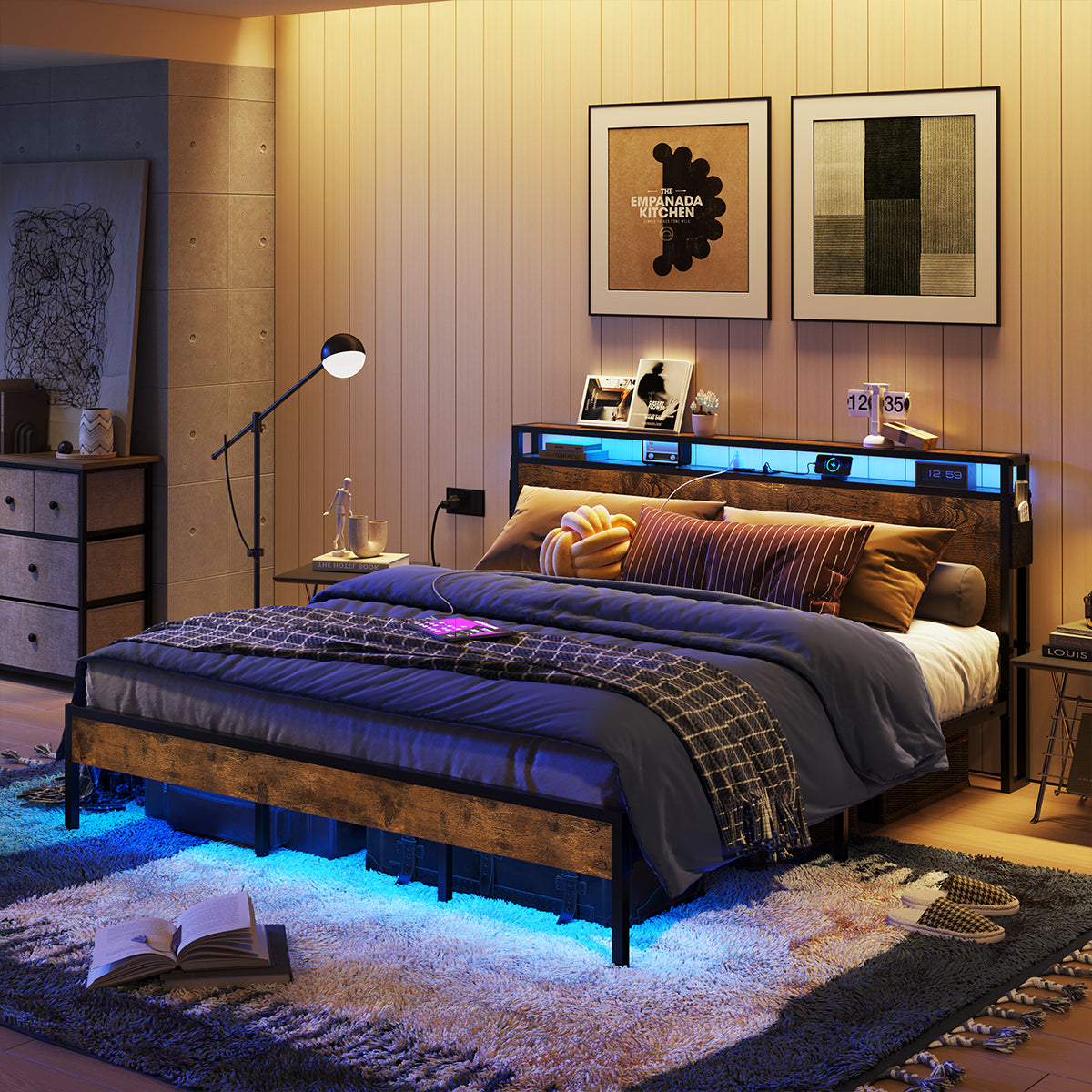
Bed frames with hidden storage help in studio apartments. An LED bed frame with hidden storage headboard keeps linens or seasonal clothes out of sight while providing charging stations.
Scenario-Based Recommendations: Balancing Trade-offs
The ideal choice depends heavily on how often your space must switch functions. This illustrative radar chart compares how four common scenarios balance key factors:
Multi-Functional Furniture Fit by Room Scenario
Illustrative fit map for small urban apartments: compare how four common room scenarios balance flexibility, ergonomics, storage efficiency, visual openness, and ease of conversion.
View chart data
| Series | Flexibility | Ergonomics | Storage Efficiency | Visual Openness | Ease of Conversion |
|---|---|---|---|---|---|
| Studio apartment | 5.0 | 3.0 | 4.0 | 5.0 | 5.0 |
| One-bedroom living room | 4.0 | 4.0 | 3.0 | 4.0 | 4.0 |
| Home office / guest room | 5.0 | 5.0 | 3.0 | 3.0 | 4.0 |
| Compact dining nook | 3.0 | 4.0 | 5.0 | 3.0 | 3.0 |
Illustrative model based on editorial synthesis of small-space planning principles and scenario_matrix logic from the prior insight module; values are heuristic, not measured or official.
Usage Note: This chart is a heuristic model to guide your priorities (e.g., "Should I care more about ergonomics or flexibility?"); it does not replace physical measurements or specific product load ratings.
- Studio Living: Favors flexibility and openness. Choose pieces with "low visual weight" (legs instead of solid bases) to make the floor feel larger.
- Stable Home Office: Prioritizes ergonomics and deeper storage. If you work 8+ hours a day, a dedicated L-shaped desk is usually superior to a temporary folding surface.
- Living-Heavy Spaces: Benefit from furniture that blends in—console desks and storage ottomans that hide tech when guests arrive.

How to Arrange Furniture in Your Space
- Tape the Floor: Use painter's tape to mark the footprint of new furniture. Walk through the room to ensure you aren't bumping into corners.
- Check the "Swing": Ensure cabinet doors and drawers have at least 20 inches of clearance to open fully without hitting other furniture.
- Go Vertical: Shifting storage upward frees floor area. Standard housing design patterns favor vertical cabinetry to maximize usable space.
- Verify Materials: Our guide to engineered wood safety explains CARB and TSCA standards, which are vital for maintaining air quality in small, less-ventilated rooms.
Explore different configurations with our 7 L-shaped desk layouts for small bedroom offices to see proven arrangements.
Common Mistakes to Avoid
- Filling Every Corner: Leaving "negative space" prevents the room from feeling claustrophobic. As Small House Model Design guidance notes, layouts should preserve clear pathways rather than filling every available inch.
- Ignoring Mechanism Durability: For transforming pieces, test the "wobble factor." If a desk surface shakes during typing, it will lead to fatigue.
- Style Over Workflow: A beautiful piece that requires 10 minutes of rearranging to use will eventually be left in one position, defeating its multi-functional purpose.
Creating a High-Performance Small Space
Multi-functional furniture delivers the most value when paired with smart planning. Start small: pick one or two key pieces that solve your biggest pain point—whether that's desk space or kitchen organization—then build around them.
Browse the Bestier L-shaped desk collection or home office furniture to find options designed specifically for compact rooms.
Comfort and Safety Note: This article discusses furniture selection and layout strategies for improved usability. It is not medical or ergonomic advice. Furniture comfort varies by individual. Always follow manufacturer assembly and weight guidelines, and ensure proper ventilation in small rooms. Check all locking mechanisms regularly to ensure stability.
