
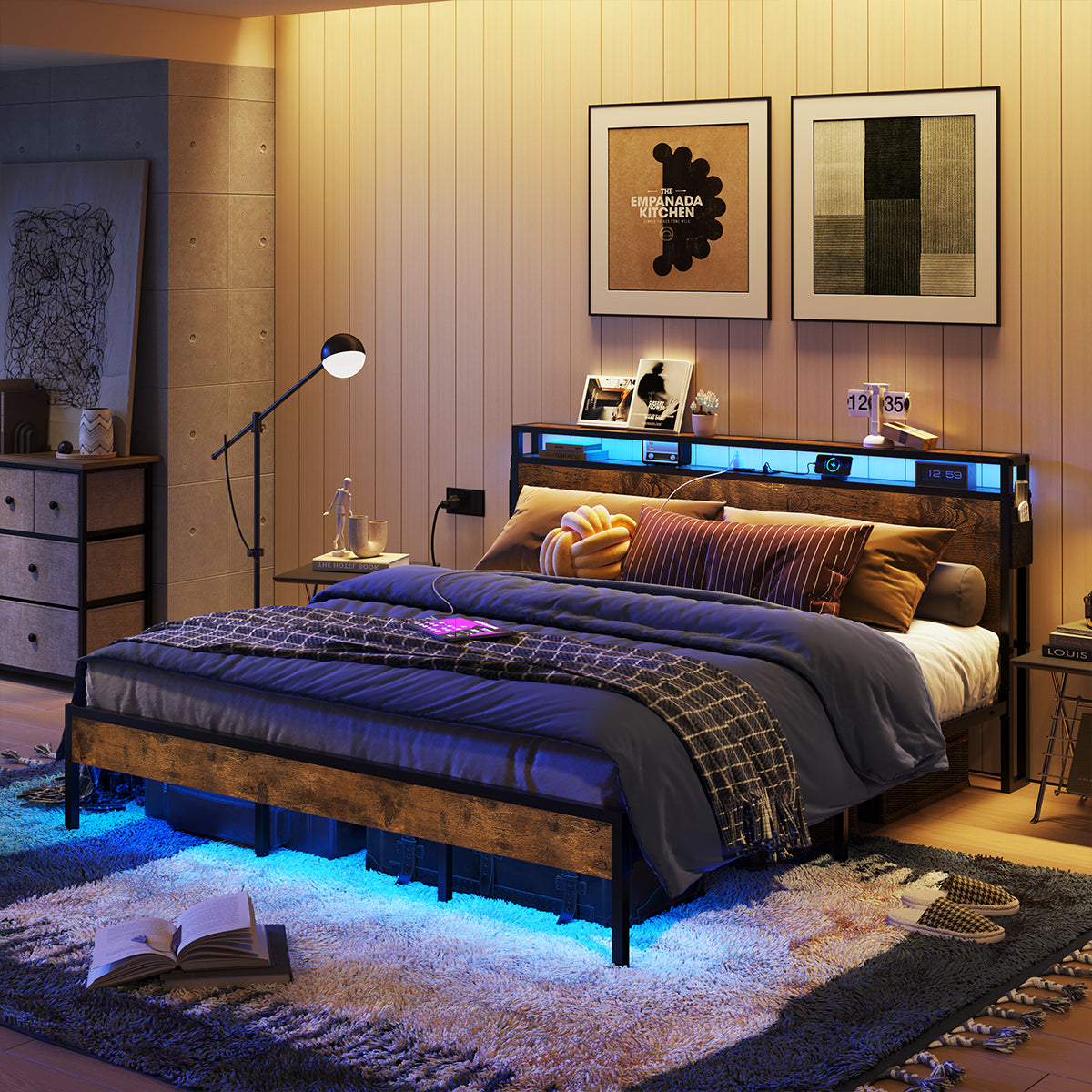
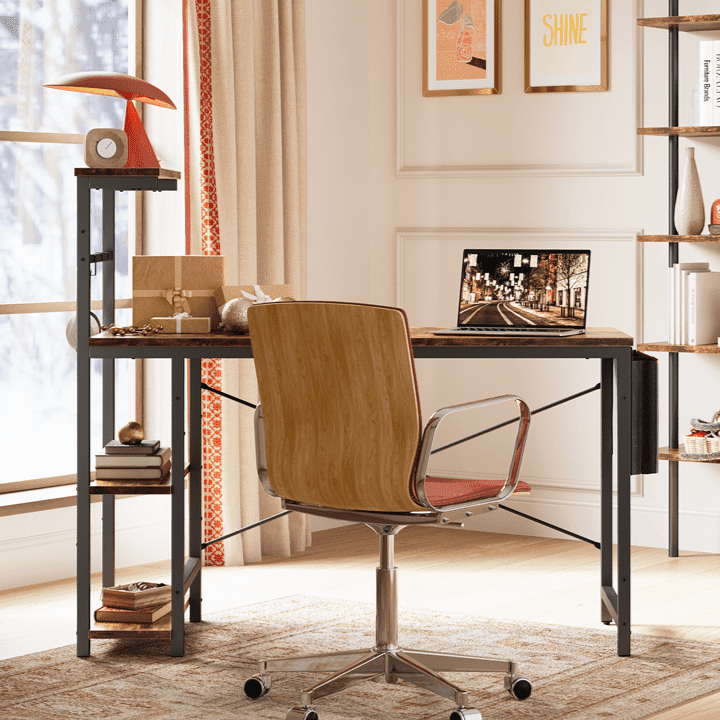
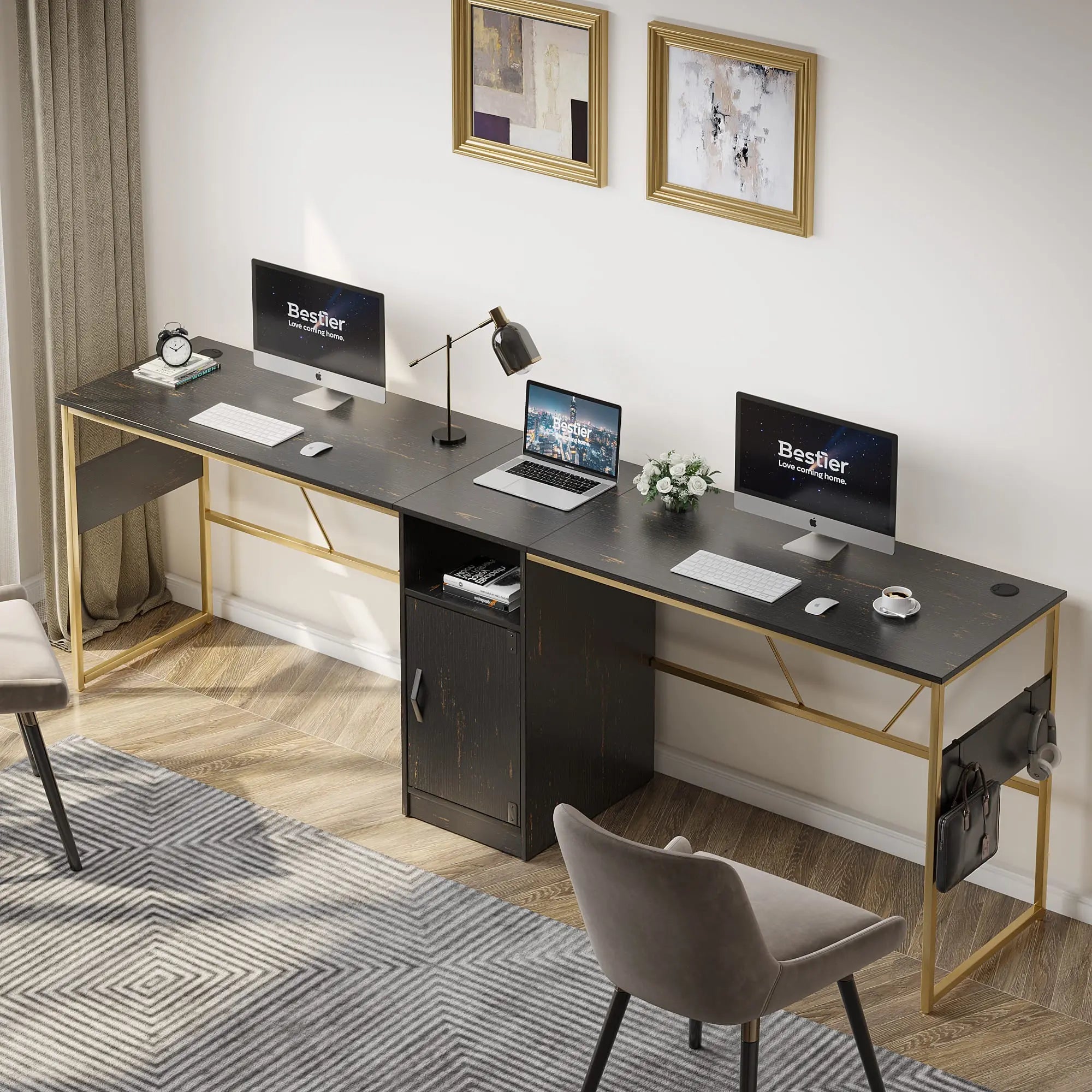

Many remote workers and gamers share the same challenge: one small room that must serve as both a professional home office during the day and an immersive gaming setup by night. The solution lies in hybrid workspace furniture that prioritizes versatility, smart storage, and quick transitions without sacrificing comfort or style.
A well-designed dual-purpose space can eliminate constant reconfiguration while keeping the room feeling spacious and organized. By focusing on the right desk layout, cable management, lighting, and zoning strategies, you can create a setup that supports long work sessions and exciting gaming nights in the same footprint.
Understanding the Hybrid Workspace Challenge
Remote professionals who game often live in apartments or shared bedrooms where space is at a premium. The main problem is finding furniture that adapts to both needs without creating visual clutter or compromising ergonomics. A traditional office desk may look too corporate for evening gaming, while a full gaming battlestation can appear unprofessional during video calls.
This tension becomes especially acute in rooms under 120 square feet, where every inch counts. According to practical planning guides for small spaces, the key is choosing pieces that support fast mode switching rather than trying to maintain two completely separate setups.
Hybrid workspace furniture addresses this by combining features like reversible shelves, built-in power outlets, monitor stands, and subtle RGB lighting that can be toggled on or off. These designs help maintain a clean, professional appearance by day while delivering the immersive experience gamers crave after hours.
Choosing the Right Desk for Dual Use
The foundation of any hybrid workspace is the desk itself. For most small rooms, an L-shaped or compact straight desk offers the best balance. L-shaped designs provide dedicated zones—one side for monitors and work, the other for peripherals or storage—making them ideal when you have a corner available.
Compact straight desks work better in extremely tight spaces or when the room must reset completely each evening. Look for models with adjustable shelves, keyboard trays, and integrated storage to maximize functionality without expanding the footprint.
When comparing options, consider surface depth (at least 24 inches for comfort), weight capacity for multiple monitors, and built-in features like cable management holes or power outlets. Many modern desks now include these as standard, reducing the need for separate accessories.
For example, L-shaped gaming desks with reversible configurations allow you to customize the layout based on your room's specific constraints. These pieces often feature carbon fiber or neutral finishes that blend into professional environments while supporting RGB accents for gaming mode.
Scenario-Based Desk Selection Guide
The best desk choice depends heavily on your room dimensions and daily usage patterns. In very compact bedroom corners (under 8x8 feet), a straight compact desk with hidden storage usually performs better because it preserves circulation space and minimizes visual weight.
As available wall length increases to 8-12 feet, many users find a balanced fit with either type, while rooms with longer walls benefit most from L-shaped or multi-functional layouts that create natural zones without blocking movement.
Here is an illustrative planning chart showing relative fit scores for different desk styles across room-size bands. These values are heuristic guides derived from common small-space layouts and should be treated as planning cues rather than precise measurements.
Hybrid WFH/Gaming Room Desk Fit: Heuristic Planning Guide
Illustrative planning guide for scenario flips, not measured performance data.
View chart data
| Category | Straight Desk Fit | L-shaped / Multi-functional Fit |
|---|---|---|
| <8x8 ft | 5.0 | 2.0 |
| 8-12 ft wall | 7.0 | 6.0 |
| >12 ft wall | 3.0 | 8.0 |
Heuristic scenario mapping derived from the provided context: compact straight desks fit very small/tight resets; L-shaped or multi-functional layouts gain advantage with corner/wall space and zone separation. Values are illustrative relative fit scores (1-10), not real measurements.
This visualization highlights how preferences shift: compact designs dominate in the tightest spaces, while L-shaped options scale better as room flexibility increases. Use it as a starting point to match your specific layout.

Creating Fast Transitions Between Work and Play
Seamless switching is essential for hybrid rooms. The Chameleon Desk approach emphasizes neutral-colored furniture, smart lighting controls, and strategic storage that keeps the space looking tidy during work hours.
Invest in accessories that support quick changes: wireless peripherals, under-desk cable trays, and monitor arms that adjust height easily. RGB lighting with app or controller controls allows you to shift from neutral white light for calls to dynamic colors for gaming in seconds.
For users who need to look professional on camera, position the desk so that the background remains clean. Simple backdrop solutions like a neutral wall or foldable screen can hide gaming elements during the day.
Managing Cables, Storage, and Clutter
Cable chaos is one of the biggest complaints in dual-purpose setups. Effective management starts with desks that include built-in grommets, power outlets, and storage bags. Route cables behind the desk or use sleeves to keep them organized and out of sight.
Vertical storage becomes crucial in small rooms. Wall-mounted shelves, monitor stands with compartments, and under-desk organizers help keep work documents, controllers, and peripherals accessible without consuming floor space.
Look for pieces like the Bestier L Shaped Gaming Desk with Shelves that combine monitor stands, keyboard trays, and reversible storage. These features reduce the need for additional furniture that could make the room feel cramped.
Ergonomics for All-Day Comfort
Balancing ergonomics for both work and gaming requires attention to chair height, monitor positioning, and posture support. The same setup should allow for proper wrist alignment during typing and comfortable viewing angles during intense gaming sessions.
Choose an adjustable chair with lumbar support and consider a footrest if needed. Monitor arms or stands that raise screens to eye level help prevent neck strain, which is important whether you're reviewing spreadsheets or playing for hours.
Many hybrid users report better overall comfort with desks that offer depth for both a keyboard tray (work mode) and full surface (gaming mode). This flexibility prevents the compromises that often lead to discomfort in single-purpose furniture.
Compare your options using insights from Gaming Desk vs. Office Desk guides to understand the ergonomic trade-offs specific to dual use.
Lighting and Ambiance Strategies
Lighting dramatically affects both productivity and immersion. For daytime work, prioritize natural light and cool white LED panels that reduce eye strain. In the evening, layered RGB lighting can create atmosphere without overwhelming the space.
Desks with integrated LED strips and music sync features, such as the Bestier 42-inch L-shaped Gaming Desk with RGB Lights, allow easy toggling between modes. Pair these with smart bulbs for the rest of the room to complete the transformation.
Avoid overly bright or flashy setups during work hours, as they can distract during focused tasks or calls. The goal is subtle integration that enhances rather than dominates the hybrid workspace.
Material Safety and Long-Term Durability
When selecting furniture for daily use, material quality matters. Engineered wood products should meet strict standards for indoor air quality. Understanding CARB and TSCA compliance helps ensure your chosen pieces contribute to a healthy environment rather than introducing unnecessary emissions.
Look for sturdy construction that can handle the weight of monitors, PCs, and frequent adjustments. Durable surfaces resist wear from both office supplies and gaming controllers, extending the life of your investment.
Common Mistakes to Avoid in Hybrid Rooms
Many people overestimate how much surface area they need and end up with oversized furniture that crowds the room. Others neglect cable management until it becomes a daily frustration.
Do not buy a hybrid setup if your room cannot support stable placement or if daily reconfiguration would become too time-consuming. In extremely constrained spaces, simpler solutions with add-on storage often prove more practical than complex multi-functional pieces.
Over-relying on RGB elements during work hours can also undermine the professional appearance. Keep gaming aesthetics controllable and default to neutral modes for daytime use.
Additional guidance on avoiding pitfalls appears in resources like Small Space Living: The Ultimate Guide to Multi-Functional Furniture and The Ultimate Guide to Small Space Home Office Design.
Step-by-Step Room Layout Checklist
Before purchasing, audit your space with this practical checklist:
- Measure your available wall length and clearance for chair movement
- Identify power outlet locations and plan cable routes
- Determine if you need dual monitors or can work with one versatile display
- Check video call background requirements and plan accordingly
- List must-have peripherals for both work and gaming
- Evaluate storage needs for documents versus controllers and headsets
- Test lighting conditions at different times of day
This exercise helps you select furniture that truly fits rather than forcing your habits to fit the furniture.
For more ideas on compact arrangements, explore Small Gaming Desk Ideas for Studio Apartments and Dorms or The Urban Dweller’s Guide to Multi-Functional Furniture Systems.

Bringing It All Together
A successful hybrid workspace combines thoughtful furniture selection, smart zoning, and controllable technology to support both productivity and entertainment. Focus first on your specific room constraints and daily transition needs rather than chasing the flashiest features.
With versatile desks, strategic storage, and layered lighting, even the smallest apartment corner can function effectively as both office and gaming battlestation. The result is a space that adapts to your lifestyle instead of forcing you to adapt to it.
Start by assessing your room using the scenario guidelines above, then select pieces that match your exact footprint and usage pattern. This measured approach helps avoid common regrets and creates a room you will actually enjoy using in both modes.
Whether you opt for an L-shaped gaming desk with monitor stand or a more compact model with integrated power, the emphasis should remain on functionality, ergonomics, and seamless transitions. Your hybrid workspace can be both practical and exciting when designed around real-world constraints rather than idealized setups.
Remember that this discussion focuses on comfort and setup optimization. It does not constitute medical advice. If you experience persistent discomfort, eye strain, or posture issues, consult a qualified healthcare professional for personalized guidance.
