
Summary
Designing a high-performance home office in a small urban environment requires a shift from traditional furniture selection to strategic spatial optimization and psychological boundary-setting. By prioritizing vertical storage, multi-functional modularity, and cognitive-focused layouts, you can transform even the most constrained studio or bedroom corner into a professional-grade workspace that supports long-term productivity and mental well-being.
Key takeaways
- Prioritize Verticality: Utilize wall-mounted shelving and tall desks to maximize storage without increasing the floor footprint.
- Define Psychological Zones: Use visual cues like rugs or lighting to separate work areas from living spaces, reducing cognitive load and burnout.
- Verify Material Safety: Ensure all furniture meets CARB Phase 2 and EPA TSCA Title VI standards to maintain healthy indoor air quality in small, poorly ventilated rooms.
- Adopt Modular Solutions: Choose furniture that can be easily reconfigured or moved, catering specifically to the flexibility required by urban renters and digital nomads.
- Invest in Acoustic Management: Implement soft furnishings and noise-canceling tech to manage sound in shared or open-plan environments.
The Psychology of Small Space Productivity
The "Small Space Crisis" isn't just about square footage; it is a challenge of cognitive boundaries. When your workspace is three feet from your bed or kitchen, the brain struggles to switch between "professional" and "personal" modes. Research in environmental psychology suggests that "enclosure" and "spatial differentiation" are critical for focus. In a tiny apartment, you must create these boundaries artificially.
One effective method is the use of zone-based layout optimization. By designating a specific corner or "cloffice" (closet office) exclusively for work, you train your brain to enter a state of deep work upon entering that zone. This is particularly vital for those managing neurodivergent traits, where visual clutter can lead to immediate distraction.
Logic Summary: This approach assumes that the user has limited physical space but can control visual and sensory inputs. It is recommended for anyone working in a studio or shared bedroom to prevent "work-life bleed," though it may require discipline to avoid using the work zone for leisure.
Cluster map
To help you navigate the complexities of small space design, we have curated a series of deep-dive guides into specific layouts and organizational strategies.
| Topic | Focus Area |
|---|---|
| Small Corner Desk with Shelves: The Ultimate Studio Apartment Hack | Maximizing unused corners in studio layouts. |
| L-Shaped Desk vs. Straight Desk: Choosing the Right Layout | Comparing spatial efficiency for dual-monitor setups. |
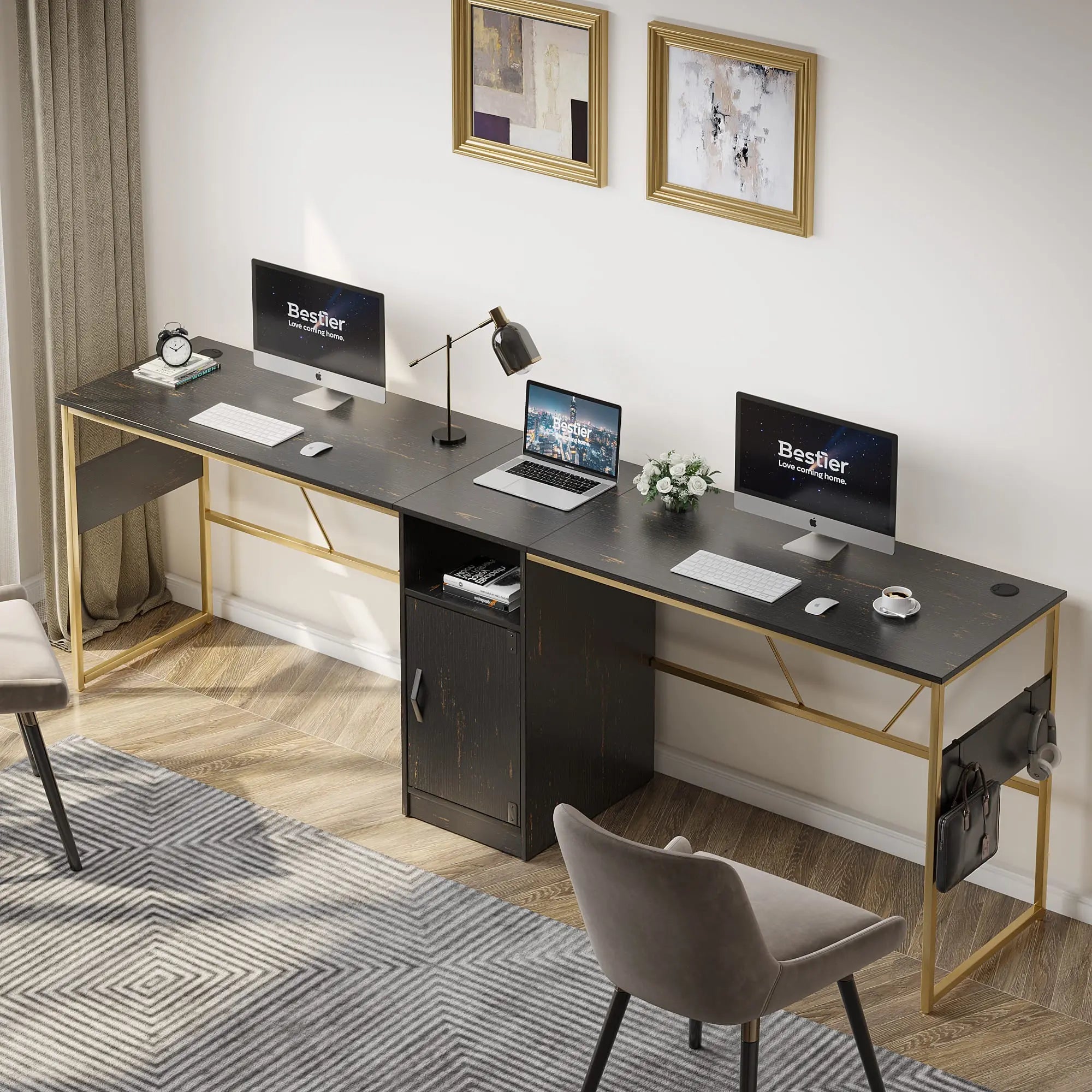
| 2-Person Desk Setup Ideas: Shared Home Office Layouts for Couples | Managing productivity in shared, constrained environments. |
| 7 L-Shaped Desk Layouts for Small Bedroom Offices | Specific blueprints for bedroom-office hybrids. |
| ADHD-Friendly Desk Setup: Organization Tips for Better Focus | Cognitive-focused design for better attention management. |
| How to Build a Dopamine Desk Setup for Better Focus | Aesthetic and sensory integration for motivation. |
Strategic Space Planning and Zone Optimization
Before purchasing a single piece of furniture, you must map your available "air rights." In small apartments, the floor is a premium resource, but the walls are often underutilized. Strategic planning involves identifying "dead zones"—corners, alcoves, or even the space behind a sofa—that can be repurposed.

When planning your layout, consider the "Reach Zone" principle. Frequent-use items (keyboard, mouse, notepad) should be within a 15-inch radius of your seated position. Secondary items (reference books, printers) should occupy vertical shelves. This reduces the need for a large desk surface, allowing you to opt for closet office desk solutions that can be tucked away when the workday ends.
Choosing the Right Furniture for Constrained Environments
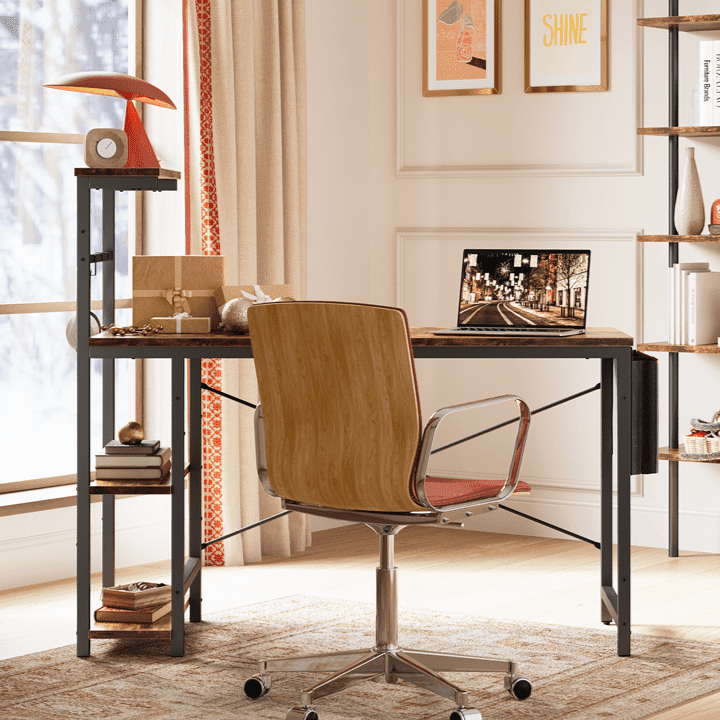
The furniture you choose must work twice as hard in a small space. Look for pieces that offer "hidden" storage or multi-functional capabilities. For example, an L-shaped desk with storage provides a significant amount of workspace and filing capacity while fitting snugly into a corner, effectively reclaiming space that would otherwise be lost.
When evaluating furniture, consider these three parameters:
- Footprint-to-Surface Ratio: How much floor space does it consume versus how much usable work surface does it provide?
- Visual Weight: Furniture with thin metal legs or glass tops feels "lighter" and makes a small room feel less cramped.
- Adaptability: Can the desk be converted or moved easily?
Integrating multi-functional furniture ideas like ottomans with storage or desks that fold into wall units can further optimize a multi-use room.
Acoustic Management and Shared Space Etiquette
A significant gap in most small office guides is the management of sound. In urban apartments, thin walls and shared living areas can make video calls a nightmare. Acoustic management doesn't require professional soundproofing; it requires strategic absorption.
Soft materials are your best friend. Adding a thick rug under your desk, hanging heavy curtains, or even installing felt wall panels can significantly reduce echo and ambient noise. If you share a space with a partner or roommate, establishing "Acoustic Etiquette" is essential. This might include designated "quiet hours" or the use of directional microphones that ignore background noise.
Logic Summary: These recommendations assume a standard residential environment where structural modifications (like adding insulation) are not possible. It focuses on non-invasive, renter-friendly solutions to improve audio quality for remote work.
Safety and Material Standards in Compact Offices
In small, enclosed spaces, indoor air quality becomes a critical health factor. Many budget-friendly furniture options use engineered woods that can emit formaldehyde, a known respiratory irritant. When your office is also your bedroom, the concentration of these VOCs (Volatile Organic Compounds) can rise quickly.
It is imperative to verify that your furniture complies with engineered wood safety standards, specifically CARB Phase 2 and the EPA TSCA Title VI. These regulations limit formaldehyde off-gassing in materials like MDF and particle board. Furthermore, environmental factors such as high humidity and temperature can accelerate off-gassing, making it even more important to choose certified low-emission products for small, poorly ventilated rooms.
Modular Solutions for Renters and Urban Nomads
For the modern renter, permanence is a liability. Furniture that is difficult to disassemble or too heavy to move often ends up in landfills. The trend for 2026 is "Modular Portability." This involves furniture systems that can grow or shrink based on your current housing situation.
Modular desks that allow you to add or remove shelves, or "flat-pack" designs that can be reassembled multiple times without losing stability, are ideal. When browsing a complete home office furniture collection, look for steel-frame constructions and high-quality fasteners that withstand the wear and tear of frequent moves.

Small Space Home Office Checklist
Use this checklist to ensure your setup is optimized for both productivity and health.
| Category | Requirement | Verified? |
|---|---|---|
| Ergonomics | Monitor at eye level (use a riser if necessary). | [ ] |
| Lighting | Layered lighting: Ambient, Task, and Accent. | [ ] |
| Air Quality | Furniture meets CARB Phase 2 / TSCA Title VI standards. | [ ] |
| Storage | At least 60% of storage is vertical (wall-mounted or tall). | [ ] |
| Cables | All cables are routed and hidden to reduce visual clutter. | [ ] |
| Acoustics | Soft surfaces (rugs/curtains) present to absorb sound. | [ ] |
FAQ
How do I fit a desk in a bedroom without it feeling like an office? To maintain a relaxing bedroom atmosphere, focus on "visual integration." Choose a desk that matches the finish of your existing bedroom furniture, such as a wood tone that complements your bed frame. Additionally, using a "cloffice" setup or a desk that can be closed or screened off at the end of the day helps physically and mentally separate your work life from your sleep environment.
What is the best desk shape for a very small corner? An L-shaped or corner desk is typically the most efficient choice for tight corners. These designs utilize the "dead space" in the corner of a room, providing more surface area than a standard rectangular desk of the same width. Many modern corner desks also include integrated shelving, which helps you move storage off the floor and onto the wall.
Are standing desks practical for small apartments? Yes, but with caveats. If you choose a standing desk, look for a compact model (around 40-48 inches wide). Many electric standing desks now come with built-in USB ports and cable management trays, which are essential for keeping a small space organized. Ensure you have enough clearance for the desk to rise without hitting shelves or wall art.
How can I improve the lighting in a windowless office nook? In windowless spaces, "layered lighting" is key. Start with a high-quality LED task lamp that offers adjustable color temperatures (cool white for focus, warm white for evening). Add accent lighting, such as LED strips behind the desk or on shelves, to create depth and reduce eye strain. Mirrors can also be used to reflect light from other parts of the room into the nook.
Is it safe to use MDF furniture in a small bedroom? MDF (Medium-Density Fibreboard) is safe as long as it meets modern emission standards. Look for labels indicating CARB Phase 2 or EPA TSCA Title VI compliance. These certifications ensure that the formaldehyde levels are within safe limits for indoor use. In a small bedroom, it is also helpful to keep the room well-ventilated and maintain a moderate temperature to minimize any potential off-gassing.
How do I manage cables in a tiny setup? Cable management is vital in small spaces because "cable spaghetti" creates visual noise that increases stress. Use adhesive cable clips, under-desk trays, or cable sleeves to bundle wires together. If your desk has a built-in power strip or grommet holes, utilize them to route cables directly under the surface, keeping the floor clear and the aesthetic clean.
References
Government / Standards / Regulators
- Occupational Safety and Health Administration (OSHA): Computer Workstations eTool - Guidelines for ergonomic setup and injury prevention.
- Environmental Protection Agency (EPA): Formaldehyde Emission Standards for Composite Wood Products - Details on TSCA Title VI compliance.
- California Air Resources Board (CARB): Composite Wood Products ATCM - Information on Phase 2 formaldehyde limits.
Industry Associations / Research Institutes
- BIFMA (Business and Institutional Furniture Manufacturers Association): Safety and Performance Standards - Industry benchmarks for furniture durability and stability.
- Acoustical Society of America: Resources on Room Acoustics - Guidance on sound management in residential and commercial spaces.
Academic / Whitepapers
- Journal of Environmental Psychology: "The impact of workspace design on employee well-being and productivity" - Research on spatial boundaries and cognitive load.
- Bestier Whitepaper: Engineered Wood Safety: A Comprehensive Guide to CARB & TSCA Standards - Detailed analysis of material safety in home furniture.
Community (Intent Only)
- Reddit r/HomeOffice: Small Space Megathread - User-generated layout ideas and DIY hacks (intent discovery only).
- Reddit r/WorkFromHome: Shared Space Etiquette Discussions - Community advice on managing shared office environments (intent discovery only).
