

Summary
Author: Bestier Product Engineering Team | Disclosure: This article features Bestier products and internal links. | Professional Disclaimer: This guide is for informational purposes. Electrical modifications (e.g., installing 20A circuits) must be performed by a licensed electrician. For health concerns regarding indoor air quality, consult a certified specialist. Bestier is not liable for damages resulting from improper installation or electrical overloading.
A professional streaming and content creation setup in 2026 requires a strategic integration of modular furniture, high-fidelity technical gear, and smart environmental controls. By prioritizing ergonomic stability, electrical safety, and multi-platform hardware switching, creators can build a sustainable studio environment that supports high-quality production while maintaining long-term physical health and equipment longevity. This guide provides a comprehensive blueprint for transitioning from a hobbyist workspace to a benchmark-level production studio.
Key takeaways
- Modular Foundations: Invest in furniture that adapts to your workflow, such as L-shaped desks with integrated power and monitor risers, to maximize space and flexibility.
- Technical Scalability: Utilize USB-C/Thunderbolt 4 standards for low-latency audio and video, and implement hardware-based switching for seamless multi-platform broadcasting.
- Safety & Compliance: Ensure all studio furniture meets CARB Phase 2 and EPA TSCA Title VI standards for indoor air quality, and verify that electrical components are UL-certified to handle high-wattage loads.
- Environmental Control: Optimize your studio's acoustics and ventilation to manage the heat output of high-performance hardware and ensure consistent audio quality.
- Smart Integration: Leverage emerging AI-driven lighting and smart home protocols (like Matter or Razer Chroma) to automate your production environment for a cohesive viewer experience.
Cluster map
To help you navigate the complexities of studio design, we have mapped out specialized guides for every aspect of your creator journey.
| Topic Area | Deep Dive Guide |
|---|---|
| Furniture Layouts | Creator Setup Blueprints: Modular Furniture for YouTube & Twitch |
| Visual Ambiance | YouTube Background Ideas: Using LED Furniture for Pro Video Sets |
| Budget Strategy | TikTok Studio Setup: How to Build a Pro Creator Desk on a Budget |
| Core Features | The Ultimate Creator Studio: Essential Desk Features for Streamers |
| Aesthetic Themes | Cyberpunk Gaming Room Ideas: Neon & LED Guide |
| Smart Integration | Smart Home Furniture: Syncing Bestier with Razer Chroma & Alexa |
Designing the Foundation: Modular Desks and Ergonomics
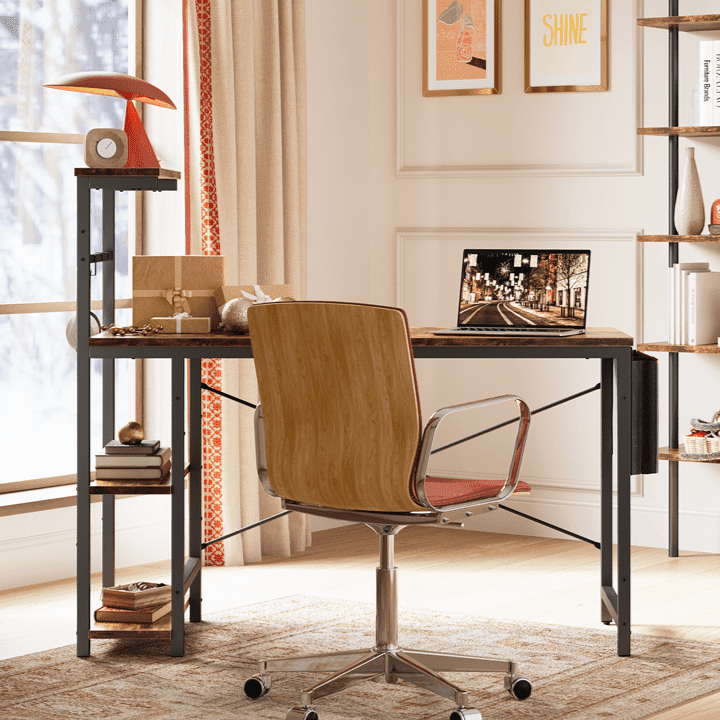
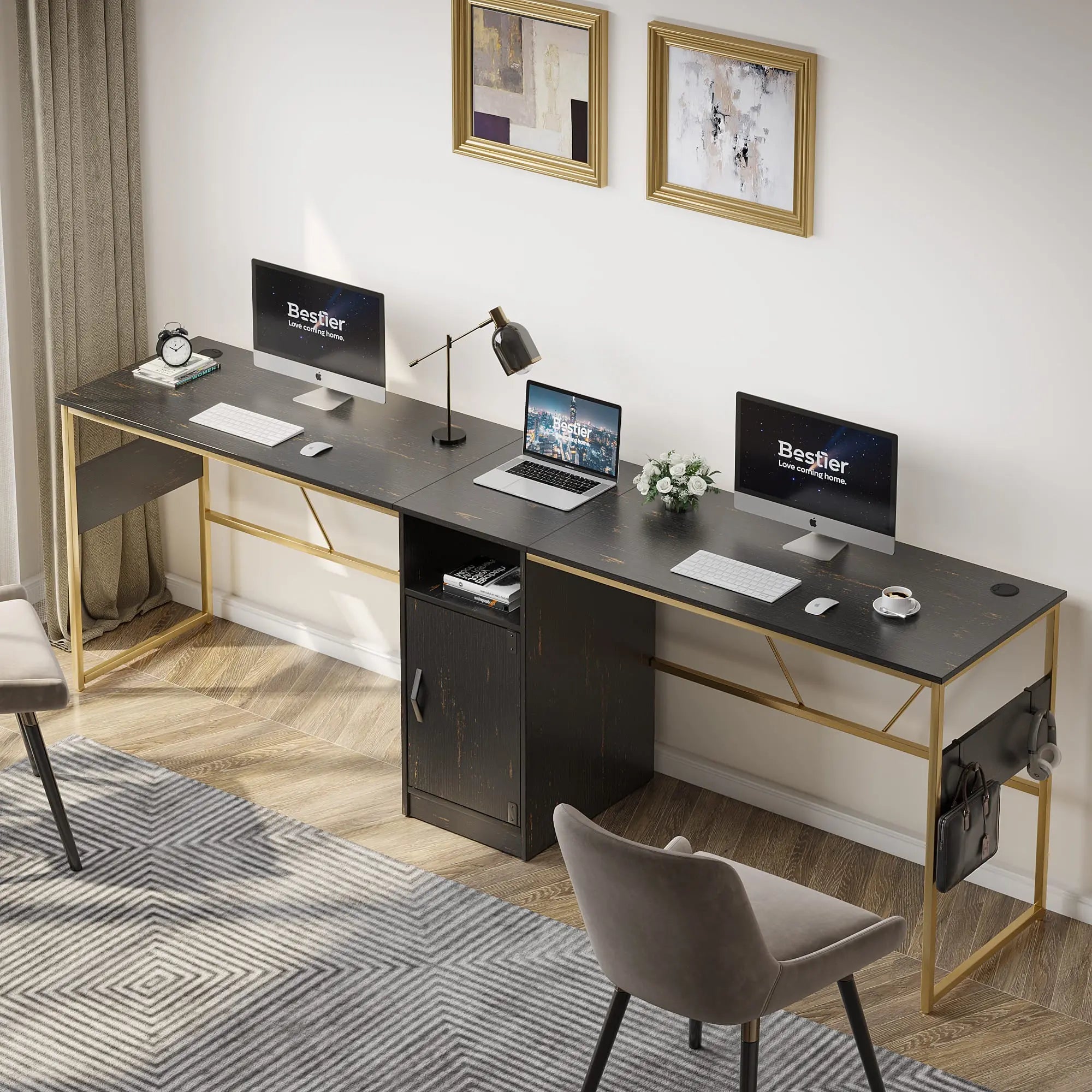
The desk is the heart of any content creator's studio. In 2026, the trend has shifted from static surfaces to modular ecosystems that grow with your channel. A professional setup often begins with the decision between a straight desk and an L-shaped configuration. For creators managing dual-PC setups or large-format consoles, you should optimize your workspace with an L-shaped desk to provide dedicated zones for production and gaming. This physical separation is not just about organization; it reduces the mental load of switching between "play mode" and "work mode."
Ergonomics in a professional setting goes beyond just a comfortable chair. Long-term health for full-time creators depends on "active ergonomics"—the ability to shift positions throughout a 12-hour broadcast. This includes the use of monitor risers to maintain eye-level alignment with your camera and keyboard trays that prevent repetitive strain injuries. When you design modular furniture layouts for content creation, consider the "reach zone" principle: keeping your most-used gear (mics, mixers, stream decks) within a 15-inch radius of your primary seated position to minimize unnecessary torso rotation.
Furthermore, ensure your desk has a high weight capacity (at least 150-200 lbs). Our engineering team bases this recommendation on a typical professional array:
- Triple 27-32" Monitors & Heavy-Duty Arms: ~50-65 lbs
- Full-Tower Gaming PC: ~40 lbs
- Audio Mixers, Stream Decks, & Peripherals: ~20 lbs
- Dynamic Load Safety Margin: ~40-75 lbs (to account for leaning or equipment adjustments)
Logic Summary: Ergonomic recommendations are based on OSHA guidelines for computer workstations. These principles assume a standard 8-12 hour usage cycle and may need adjustment for creators with pre-existing musculoskeletal conditions. Weight capacity estimates are based on standard 2026 hardware weights for multi-monitor setups.
Technical Infrastructure: Gear and Multi-Platform Switching
As we move further into 2026, the technical requirements for "pro-level" content have standardized around 4K/60fps video and 24-bit/96kHz audio. To achieve this without system instability, your infrastructure must support high-bandwidth data transfer. The industry has largely transitioned to USB-C and Thunderbolt 4 for audio interfaces and capture cards, which offer the low latency required for real-time monitoring. If you are a video editor as well as a streamer, consider integrating 10Gbps Ethernet into your studio to handle the massive file transfers associated with modern high-bitrate video.
One often overlooked aspect of a professional setup is multi-platform hardware switching. Many top-tier streamers now broadcast to Twitch, YouTube, and TikTok simultaneously. This often requires a dedicated "streaming PC" alongside a "gaming PC." To manage this efficiently, a high-quality KVM (Keyboard, Video, Mouse) switch or a software-defined hardware controller is essential. This allows you to toggle your peripherals between machines without physical unplugging, which can wear down ports over time. Additionally, emerging AI-driven real-time optimization tools—such as advanced noise suppression and automated scene switchers—are increasingly available in capture software, allowing for more seamless production workflows.

Lighting and Ambiance: Backgrounds and RGB Sync
Lighting serves two purposes: illuminating the subject and setting the mood. For the subject, a three-point lighting system (Key, Fill, and Backlight) remains the gold standard. However, the quality of light matters; look for lights with a high Color Rendering Index (CRI) of 95 or above to ensure your skin tones look natural on camera. For the environment, 2026 creators are utilizing "smart furniture" to create immersive backgrounds. By choosing desks and shelving with integrated LED strips, you can create a depth of field that makes your studio look larger on camera.
To achieve a cohesive look, it is vital to sync RGB lighting with your gaming setup. This integration allows your furniture's lighting to react to in-game events or stream alerts, providing a more engaging experience for your audience. For those looking to build a professional setup on a budget, focusing on high-impact background elements like LED-lined shelves can provide a "premium" look without the cost of high-end studio renovations. Remember that the background is your "set"—it should tell a story about your brand without being so cluttered that it distracts the viewer.
Safety and Environment: Materials, Electrical Load, and Ventilation
A professional studio is a high-energy environment. One of the most critical gaps in current setup guides is the discussion of electrical load management. A full creator setup can easily pull over 1,000 watts. It is imperative to use UL-certified power strips and, ideally, a dedicated 20-amp circuit for your studio to prevent tripped breakers.
Typical Power Load Calculation (High-End Dual-PC Setup):
- Gaming PC (High Load): 650W - 850W
- Streaming PC/Laptop: 100W - 200W
- 3x Monitors: 90W - 150W
- Studio Lighting & Audio Gear: 50W - 100W
- Total Estimated Draw: 890W - 1300W
- Safety Rule: On a standard 15A/120V circuit (1800W max), the 80% rule limits continuous load to 1440W. A pro setup operates near this limit; always consult a licensed electrician for circuit upgrades.
Furthermore, the materials used in your furniture impact your long-term health. Many budget desks use adhesives that release formaldehyde. It is essential to understand furniture safety standards for your studio by looking for CARB Phase 2 and EPA TSCA Title VI compliance. As detailed in our authoritative guide on Engineered Wood Safety, these standards ensure that the materials in your studio meet strict emission limits. This is particularly vital for creators who spend 40+ hours a week in a confined studio space.

Finally, do not ignore ventilation and acoustics. High-performance hardware generates significant heat. Ensure your desk placement allows for at least 4-6 inches of clearance from walls for PC exhaust. For acoustics, the goal is to eliminate "flutter echo" by placing acoustic panels at first reflection points—the spots on the walls where sound from your voice would bounce directly back to the microphone.
Logic Summary: Safety standards for materials (CARB/TSCA) are based on EPA regulations. Electrical load estimates assume a high-end dual-PC setup; creators using single-laptop setups will have significantly lower requirements. Acoustic recommendations assume a standard rectangular room; irregular spaces may require professional consultation.
Step-by-Step Studio Setup Checklist
| Phase | Task | Verification |
|---|---|---|
| 1. Planning | Define primary content type (Streaming vs. VOD) | Workflow map completed |
| 2. Foundation | Select desk (e.g., 48-inch LED L-shaped gaming desk with monitor stand) | CARB Phase 2/TSCA VI certified |
| 3. Power | Calculate total wattage of all gear | Within 80% of circuit capacity (1440W for 15A) |
| 4. Ergonomics | Set monitor height and chair lumbar support | Eye level at top 1/3 of screen |
| 5. Technical | Route cables through trays and label ends | No tension on ports |
| 6. Lighting | Set up 3-point lighting and background LEDs | No glare on monitors; CRI > 95 |
| 7. Audio | Install acoustic panels at first reflection points | Clap test (no echo) |
| 8. Integration | Sync RGB furniture with PC software | Alerts trigger lighting changes |
FAQ
What is the best desk size for a professional streaming setup? For a professional setup, a desk width of at least 55 to 60 inches is recommended to accommodate dual monitors and a microphone arm. L-shaped desks are often preferred because they provide a secondary surface for a streaming PC or console, allowing for a cleaner separation of tasks.
How do I manage the heat generated by my streaming gear? Effective heat management starts with proper airflow; never place your PC in a closed cabinet. Use a desk with an open-frame design and ensure there is at least 4-6 inches of space between the back of your hardware and the wall.
Are LED lights in furniture safe for long-term use? Yes, integrated LED lights are generally safe as they produce very little heat. However, ensure the power adapters are UL-certified. We recommend using controllers that allow you to adjust brightness to prevent eye strain during long sessions.
Why should I care about CARB Phase 2 or TSCA Title VI standards? These standards regulate formaldehyde emissions in engineered wood. Since creators spend many hours in their studios, choosing compliant furniture is critical for maintaining healthy indoor air quality and avoiding respiratory issues.
Can I build a professional studio in a small apartment? Absolutely. The key is using multi-functional furniture. Utilizing a corner L-shaped desk can maximize floor area, while monitor risers and under-desk cable management keep the workspace clear and professional-looking.
How many power outlets do I need for a pro setup? A typical pro setup requires 8 to 12 outlets. Use a high-quality, surge-protected power strip with a high Joule rating (at least 2000+) to protect equipment. For maximum safety, avoid "daisy-chaining" multiple power strips together.
What is the most important piece of gear to invest in first? Audio quality is the most critical factor for viewer retention. Invest in a high-quality XLR microphone and a stable desk foundation that won't wobble, as physical stability prevents "camera shake" during intense moments.
How do I future-proof my studio for 2027? Focus on high-bandwidth infrastructure. Ensure your desk can handle the weight of potential high-resolution displays (like 8K or ultra-wide 4K) and that your cable management can accommodate next-generation data standards. Modular furniture is also key for scalability.
References
Government / Standards / Regulators
- EPA: Formaldehyde Emission Standards for Composite Wood Products (TSCA Title VI)
- OSHA: Computer Workstations eTool - Ergonomics
- California Air Resources Board (CARB): Composite Wood Products ATCM
Platform official docs & policies
Industry associations / research institutes / market reports
- UL Solutions: Safety Standards for Power Strips and Surge Protectors
- USB Implementers Forum: USB-C and Thunderbolt Specifications
